When law shapes the built environment

How does law shape the built environment and design practice? Why do cities look and function the way they do? What frameworks structure our relationships with our neighbours and nature? More critically, how might architects and planners begin to appropriate regulations—such as building codes, zoning, and environmental policies—as proactive instruments and design tools, rather than obstacles?
The Canadian Centre for Architecture is an international research institution and museum premised on the belief that architecture is a public concern. For five decades, the CCA has been asking critical questions about the built environment by producing exhibitions and publications, developing and sharing our collection as a resource, advancing research, offering public programs, and hosting a range of other activities driven by a curiosity about how architecture shapes—and might reshape—contemporary life.
For several years now, the CCA has been interested in the use of film as a curatorial tool—as a way to approach the object of study and its environment; to uncover the complexities that condition its being and becoming; to take the pulse of the multiple perspectives that shape reality, and to develop a position on it.
Today, the potential for architects and planners to act as influential and transformative agents in the city is increasingly constrained by market-driven development priorities. Political strategies, administrative procedures, and regulatory frameworks largely define the conditions under which we live and work, often limiting architects’ ability to meaningfully address social concerns. Colonial, discriminatory, extractive, and exclusionary systems continue to restrict the ethical and technical potential of spatial production. As housing, environmental, and social crises intensify, the critical capacity of design risks becoming fragmented and diminished.
Evidently, the field of law forms a decisive ground from which architecture might be reconsidered today. Yet to reshape these rules, architects must first understand the legal territory in which they operate and consider legislation itself as a site of spatial practice.
As the CCA embarks on research and development of these themes for a new exhibition, this selection brings together four films that examine different ways in which the legal territory shapes the built environment.
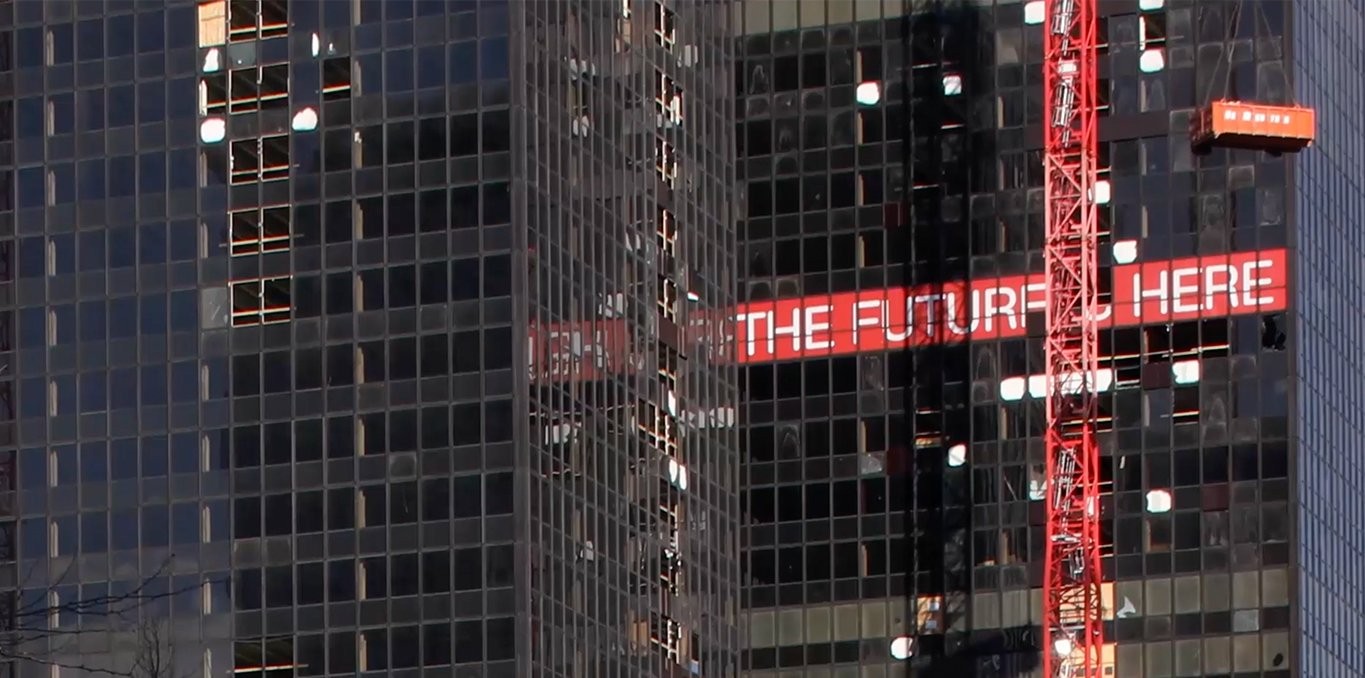
Untitled (The Things Around Us) conceived by Francesco Garutti and Irene Chin, edited by Jesse Riviere, presents a heterogeneous catalogue of “things,” in the philosopher Bruno Latour’s use of the word. The video assembly presents an expanded ecology in which architects work, drawing focus away from buildings as such, to instead foreground dynamic natural and social forces instead.
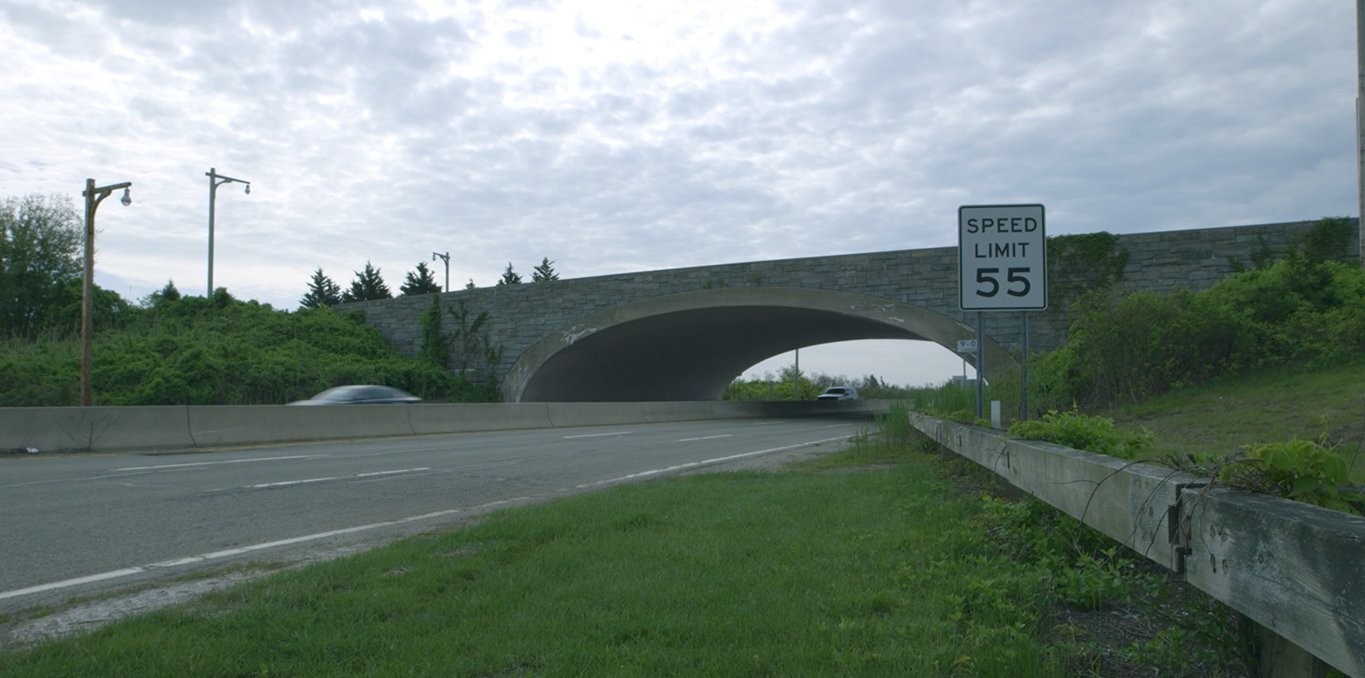
Misleading Innocence (Tracing What a Bridge Can Do), conceived by Francesco Garutti and directed by Shahab Mihandoust, explores the controversial story of the planning and politics of a series of overpasses that span the parkways of Long Island, New York.
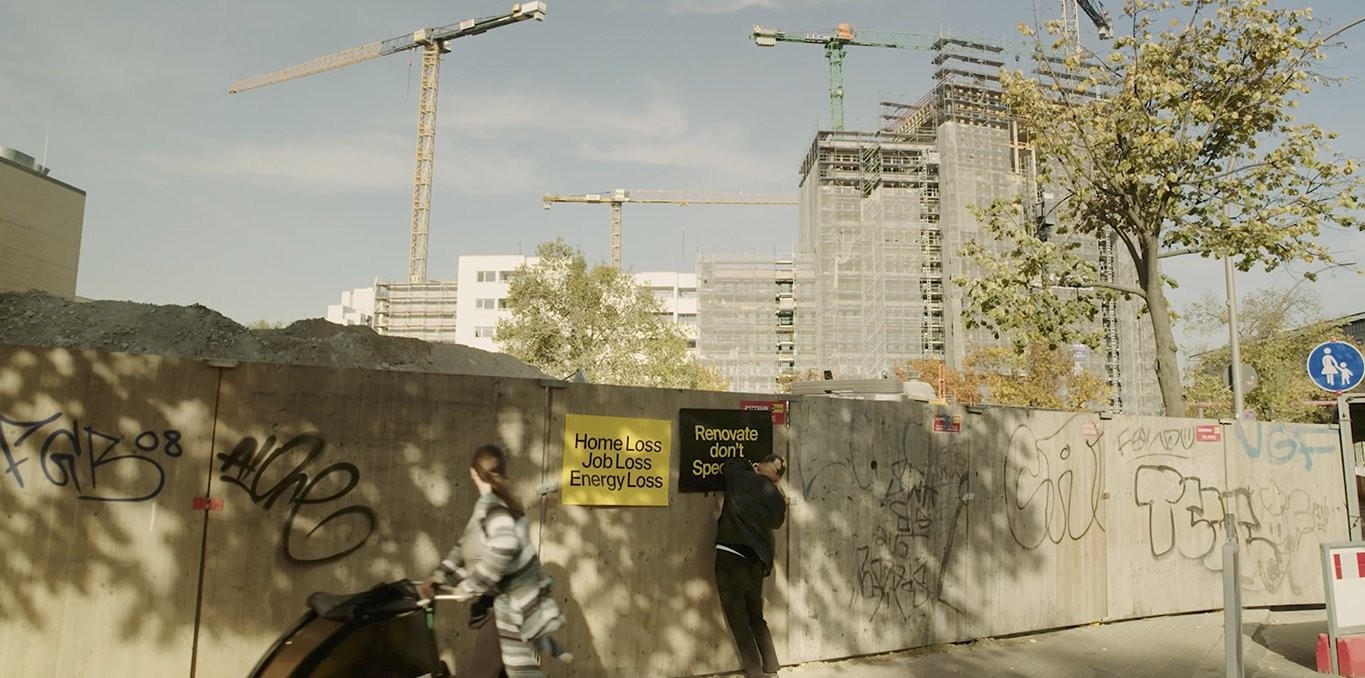
To Build Law, conceived by Francesco Garutti and Irene Chin, directed by Joshua Frank, follows architects and students as they conceptualize and organize a European Citizens’ Initiative to advocate for the renovation of existing buildings over demolition and speculative development.
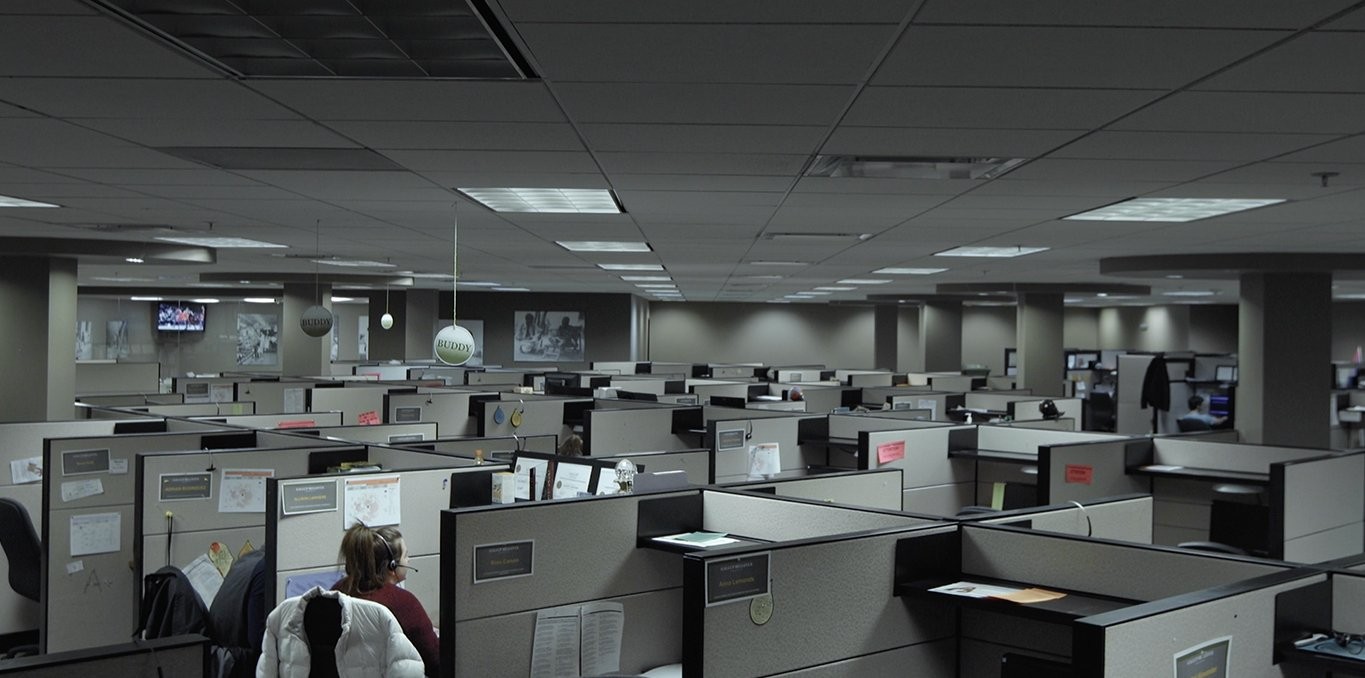
Now, Please Think About Yesterday, conceived by Francesco Garutti and directed by Erin Weisgerber, observes the processes and the people behind the design and execution of the World Poll, which Gallup calls the largest listening device in the world.
4 products
Now, Please Think About Yesterday
Now, Please Think About Yesterday
New product!Duration: 44 minutes
Subscription access
How are the questions about happiness designed and used as key tools to evaluate the quality of our life? The desire to shift how we read and interpret our socio-economic moment and the space we inhabit in light of emotional and behavioural parameters is evident at the political level. The Gallup World Poll, one of the foremost companies specializing in public opinion polls, is the source of th...
Misleading Innocence (Tracing What a Bridge Can Do)
Misleading Innocence (Tracing What a Bridge Can Do)
New product!Duration: 1h40
Subscription access
This film, conceived by Francesco Garutti and directed by Shahab Mihandoust, explores the controversial story of the planning and politics of a series of overpasses that span the parkways of Long Island, New York. These bridges were commissioned in the 1920s and 1930s by the public administrator Robert Moses. The story suggests that the bridges were designed to prevent the passage of buses, the...
Untitled (The Things Around Us)
Untitled (The Things Around Us)
New product!Duration: 1h00
Subscription access
The video assembly _Untitled (The Things Around Us)_ presents a heterogeneous scenario of constituent elements—environments, conditions, objects, and figures—that play a distinct role in the conceptual processes and design methods of the Brussels-based architecture and urbanism agency 51N4E and the research agency Rural Urban Framework (RUF). Formulated as a catalogue of “things,” in the philos...
To Build Law
Duration: 1h40
Subscription access
_To Build Law_ follows Berlin-based architectural studio bplus.xyz (b+) as they establish a policy lab, HouseEurope!, to propose industry reforms and shift cultural norms. The film closely observes the b+ team during various phases of conceptualization and development of a European Citizens’ Initiative meant to incentivize renovation over demolition and new construction. Through this bottom-up ...
Now, Please Think About Yesterday
Now, Please Think About Yesterday
New product!Duration: 44 minutes
Subscription access
How are the questions about happiness designed and used as key tools to evaluate the quality of our life? The desire to shift how we read and interpret our socio-economic moment and the space we inhabit in light of emotional and behavioural parameters is evident at the political level. The Gallup World Poll, one of the foremost companies specializing in public opinion polls, is the source of th...
Misleading Innocence (Tracing What a Bridge Can Do)
Misleading Innocence (Tracing What a Bridge Can Do)
New product!Duration: 1h40
Subscription access
This film, conceived by Francesco Garutti and directed by Shahab Mihandoust, explores the controversial story of the planning and politics of a series of overpasses that span the parkways of Long Island, New York. These bridges were commissioned in the 1920s and 1930s by the public administrator Robert Moses. The story suggests that the bridges were designed to prevent the passage of buses, the...
Untitled (The Things Around Us)
Untitled (The Things Around Us)
New product!Duration: 1h00
Subscription access
The video assembly _Untitled (The Things Around Us)_ presents a heterogeneous scenario of constituent elements—environments, conditions, objects, and figures—that play a distinct role in the conceptual processes and design methods of the Brussels-based architecture and urbanism agency 51N4E and the research agency Rural Urban Framework (RUF). Formulated as a catalogue of “things,” in the philos...
To Build Law
Duration: 1h40
Subscription access
_To Build Law_ follows Berlin-based architectural studio bplus.xyz (b+) as they establish a policy lab, HouseEurope!, to propose industry reforms and shift cultural norms. The film closely observes the b+ team during various phases of conceptualization and development of a European Citizens’ Initiative meant to incentivize renovation over demolition and new construction. Through this bottom-up ...