3000 Nights
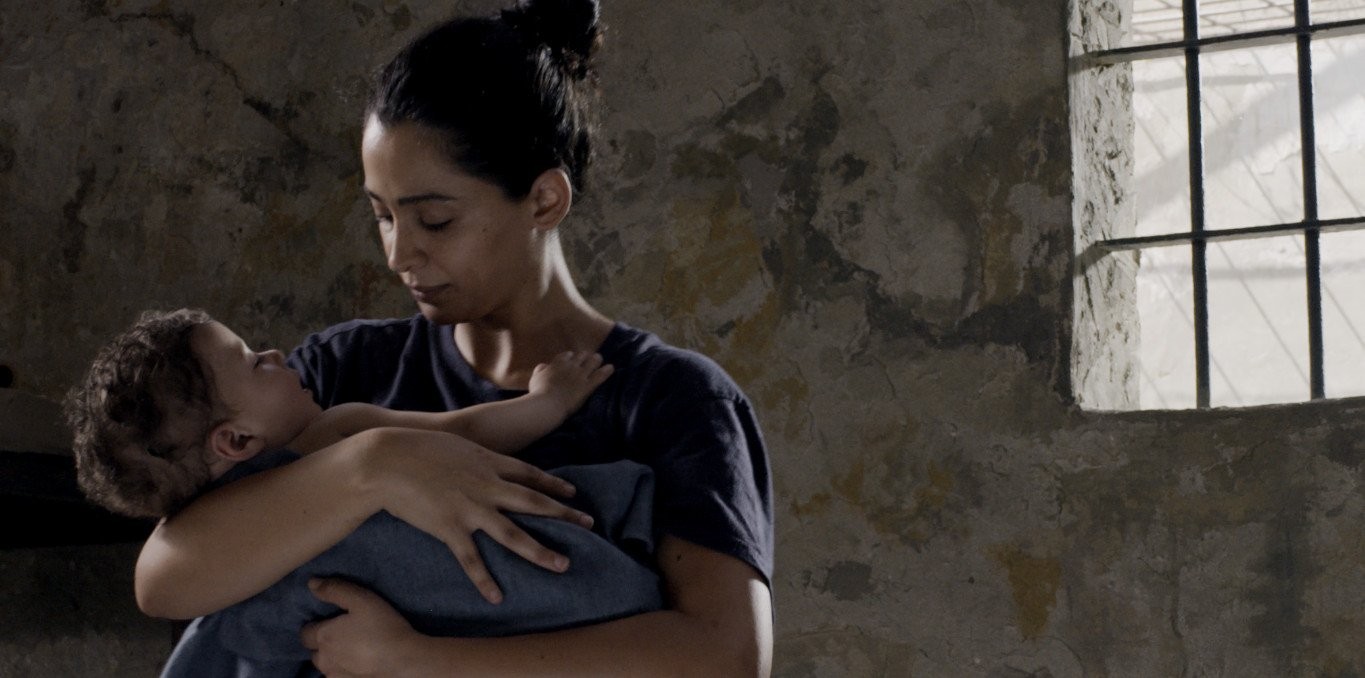
Inspired by a true story and shot in a real prison, _3000 Nights_ tells the story of a newlywed Palestinian schoolteacher who is falsely arrested and incarcerated in an Israeli prison where she gives birth to her son. Through her struggle to raise her child behind bars, the film traces a young mother’s journey of hope, resilience and survival against all odds.
It is difficult to watch 3000 Nights with full knowledge of what has been happening in Gaza since the autumn of 2023. The ceasefire may have come into effect on January 19, 2025 (more than a year ago as I write these lines), yet terrible stories continue to reach us. It is difficult to watch 3000 Nights after seeing Kaouther Ben Hania’s The Voice of Hind Rajab, released in 2025, which is also inspired by an unbearable true story. It is difficult to watch 3000 Nights—especially its final, real footage of barbed-wire camps holding Palestinian dissidents arrested in the 1980s—after witnessing other indefensible barbed-wire enclosures in Kinga Michalska’s 2025 documentary Bedrock. It is difficult to watch 3000 Nights, period.
Director Mai Masri spares no feelings in her exploration of young Layal’s fate within the actual prison walls that serve as the setting for 3000 Nights. One clearly senses the influence of Masri’s documentary background in this relentless work. The realism of the location undeniably permeates and even exacerbates the actresses’ performances—the peeling gray concrete, the all-encompassing bars, the brutality that saturates every inch of this sinister place and every fiber of the people living there. The filmmaker certainly does not rely on subtlety, whether in portraying the prisoners, the cerberuses who maintain order at all costs, or the violence, cruelty, and flagrant injustice of the situations depicted.
Confrontations between Jewish and Arab women, threats from the guards and the prison director, the focus on Layal’s handcuffed feet and fists during childbirth, the singing of birds and the wind blowing through the trees beyond the prison fences—these and many other elements forcefully underscore the inhumanity that humans can sometimes exhibit. Yes, it is difficult to watch 3000 Nights. But it is necessary to do so. Because Mai Masri also seeds her film with resilience, hope, redemption, reconciliation, and solidarity. Perhaps one day, humankind will finally learn from its mistakes.
Claire Valade
Critic and programmer

-
English
1h39
Language: English -

Français
Language: Français
- Année 2015
- Pays United Arab Emirates, France, Lebanon, Qatar, Palestine
- Durée 99
- Producteur Nour Productions, Les Films d'Ici, Orjouane Productions
- Langue Arab, Hebrew
- Sous-titres French, English
- Résumé court A Palestinian teacher is unjustly imprisoned in an Israeli prison, where she gives birth to her son. Inspired by a true story and filmed in a real prison.
- TLF_Applismb_CA 1
- Date édito CA 2026-03-06
It is difficult to watch 3000 Nights with full knowledge of what has been happening in Gaza since the autumn of 2023. The ceasefire may have come into effect on January 19, 2025 (more than a year ago as I write these lines), yet terrible stories continue to reach us. It is difficult to watch 3000 Nights after seeing Kaouther Ben Hania’s The Voice of Hind Rajab, released in 2025, which is also inspired by an unbearable true story. It is difficult to watch 3000 Nights—especially its final, real footage of barbed-wire camps holding Palestinian dissidents arrested in the 1980s—after witnessing other indefensible barbed-wire enclosures in Kinga Michalska’s 2025 documentary Bedrock. It is difficult to watch 3000 Nights, period.
Director Mai Masri spares no feelings in her exploration of young Layal’s fate within the actual prison walls that serve as the setting for 3000 Nights. One clearly senses the influence of Masri’s documentary background in this relentless work. The realism of the location undeniably permeates and even exacerbates the actresses’ performances—the peeling gray concrete, the all-encompassing bars, the brutality that saturates every inch of this sinister place and every fiber of the people living there. The filmmaker certainly does not rely on subtlety, whether in portraying the prisoners, the cerberuses who maintain order at all costs, or the violence, cruelty, and flagrant injustice of the situations depicted.
Confrontations between Jewish and Arab women, threats from the guards and the prison director, the focus on Layal’s handcuffed feet and fists during childbirth, the singing of birds and the wind blowing through the trees beyond the prison fences—these and many other elements forcefully underscore the inhumanity that humans can sometimes exhibit. Yes, it is difficult to watch 3000 Nights. But it is necessary to do so. Because Mai Masri also seeds her film with resilience, hope, redemption, reconciliation, and solidarity. Perhaps one day, humankind will finally learn from its mistakes.
Claire Valade
Critic and programmer
-
English
Duration: 1h39Language: English1h39 -
Français
Language: Français
- Année 2015
- Pays United Arab Emirates, France, Lebanon, Qatar, Palestine
- Durée 99
- Producteur Nour Productions, Les Films d'Ici, Orjouane Productions
- Langue Arab, Hebrew
- Sous-titres French, English
- Résumé court A Palestinian teacher is unjustly imprisoned in an Israeli prison, where she gives birth to her son. Inspired by a true story and filmed in a real prison.
- TLF_Applismb_CA 1
- Date édito CA 2026-03-06