Tënk's picks
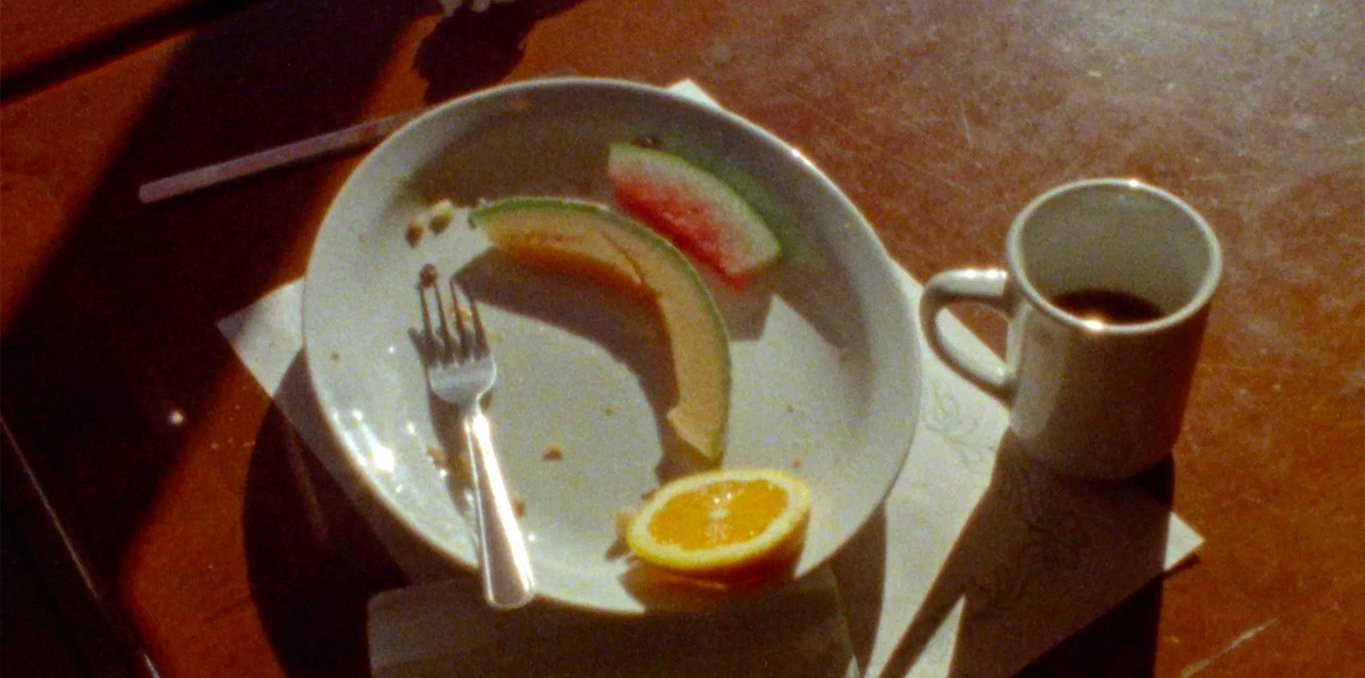
The Day to Come Is a Bright New Day
The Day to Come Is a Bright New Day
Duration: 1h30Subscription access
Early morning in a Montreal diner: filter coffee, bacon, French toast. Stories and solitudes are shared. Silences, glances, a chance encounter, and the promise of a brand-new day. A restaurant that feels like a refuge, where the chaos of the world nonetheless finds its way in, captured with tenderness and love for its characters.
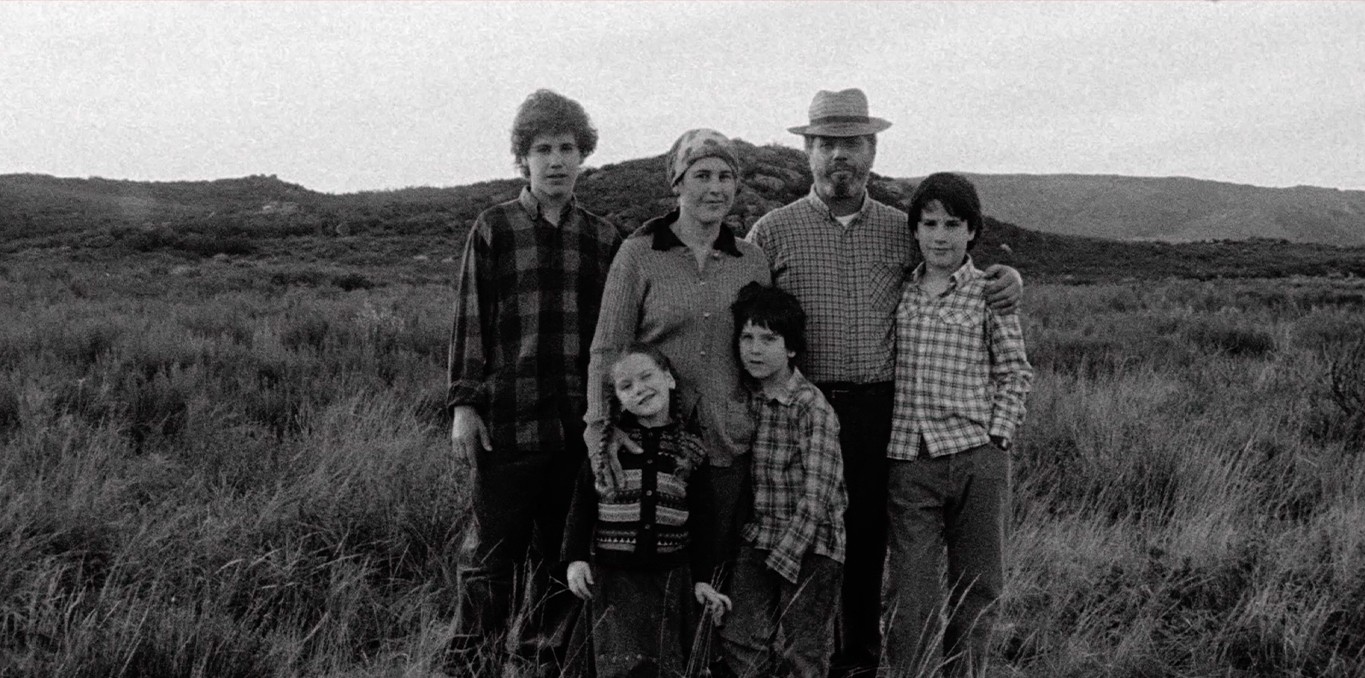
Gods of Stone
Subscription access
Filmed over fifteen years, _Deuses de pedra_ (_Gods of Stone_) paints a portrait of a rural community along the historic border between Galicia and Portugal. Through the eyes of Mariana, a young girl growing up immersed in local stories, legends, and folklore, the film explores the ties between past and present, belonging and change. As the story unfolds, the magic of tradition is confronted wi...
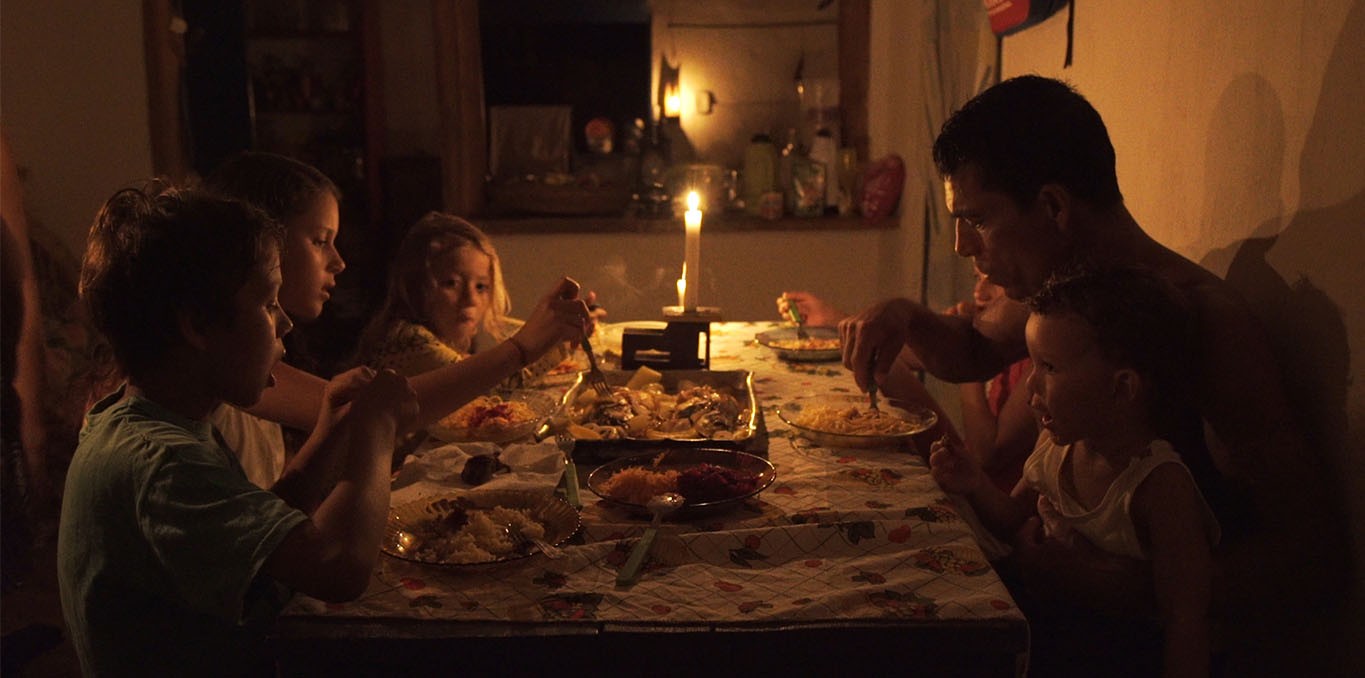
Samuel and the Light
Subscription access
Samuel lives in Ponta Negra, a small fishing village on the coast of Paraty, Brazil. Following the boy and his family over the course of six years, the film gradually reveals a more complex reality and its inherent contradictions. The arrival of electricity and tourism crystallizes the dismantling of an idealized paradise, painting a nuanced portrait of contemporary Brazil.
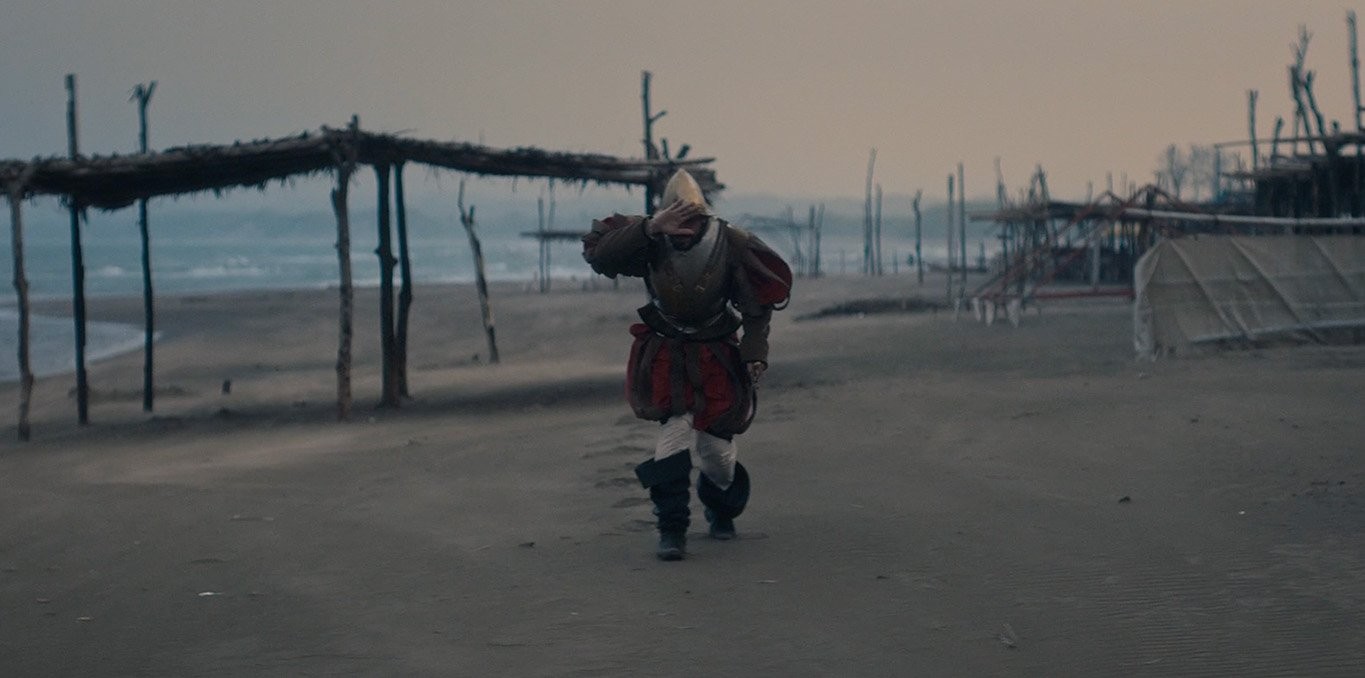
499
Subscription access
To reflect on the 500-year anniversary of the Spanish conquest of Mexico in 2021, director Reyes offers a bold hybrid cinema experience exploring the brutal legacy of colonialism in contemporary Mexico. Through the eyes of a ghostly conquistador, the film recreates Hérnan Cortés' epic journey from the coasts of Veracruz to the Aztec capital of Tenochtitlan, the site of contemporary Mexico City....
Un printemps de square
Subscription access
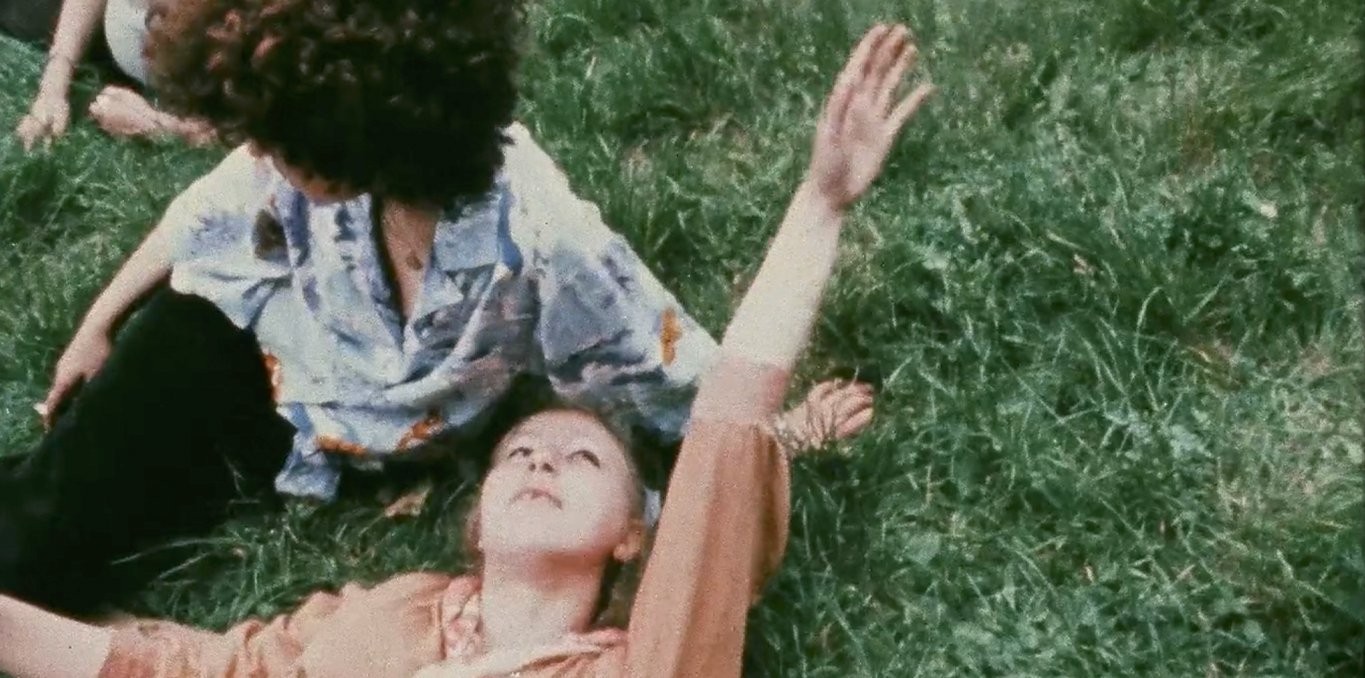
In a working-class neighborhood of Paris, high school students and other young people living in the nearby social housing gather in a small public square over the course of a spring. A documentary shot between 1977 and 1978 and re-edited by the director in 2022.
Everything Everywhere Again Alive
Everything Everywhere Again Alive
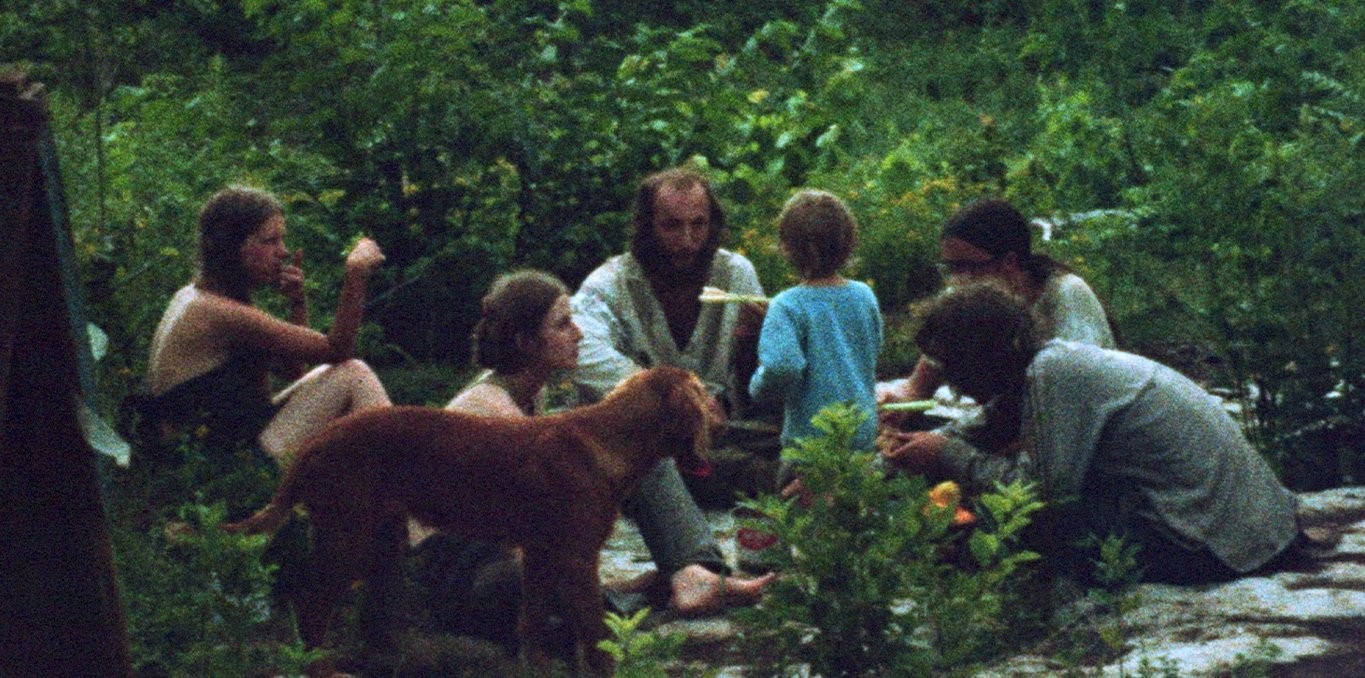
Duration: 1h12In the early 1970s, Keith Lock moved to the hippie community of Buck Lake, north of Kingston, Ontario. He went there to join members of Toronto’s underground scene, capturing the daily life of a horizontal, ideal society, free from urban oppression. The result is one of the masterpieces of Canadian experimental cinema, but above all a free-spirited film that challenges the very idea of freedom.

About Some Meaningless Events
Subscription access
A group of young filmmakers ask residents of Casablanca for their opinions on Moroccan cinema as part of a film project. During the shoot, a dispute breaks out between a dockworker and his superior, resulting in the accidental death of the latter. Having captured the incident on film, the crew begins to question the man’s motives and reflect on the role of cinema in society and the forms it can...

La vie est immense et pleine de dangers
La vie est immense et pleine de dangers
Duration: 1h20Subscription access
Cedric is eight years old. One day, he has stomach pains. During the following six months, he will mostly live in a small unit for children suffering from cancer, on the fifth floor of the Institut Curie in Paris. His words and the story intertwine with those of Steve, Dolores and the other children. Cedric will lead us each time a bit further, through all the trials that he'll face until his r...

Antoine
With _Antoine_, filmmaker Laura Bari treats us to a sensitive portrait of a six-year-old boy, one like any other, except that he’s blind. We follow Antoine in his classes, playing with friends, skating, and visiting family. We accompany him on imaginary excursions as a detective, listen to him as a radio host, and sit shotgun as he drives his parents’ car. Antoine allows us access back into chi...
Argentinian Lesson
Subscription access
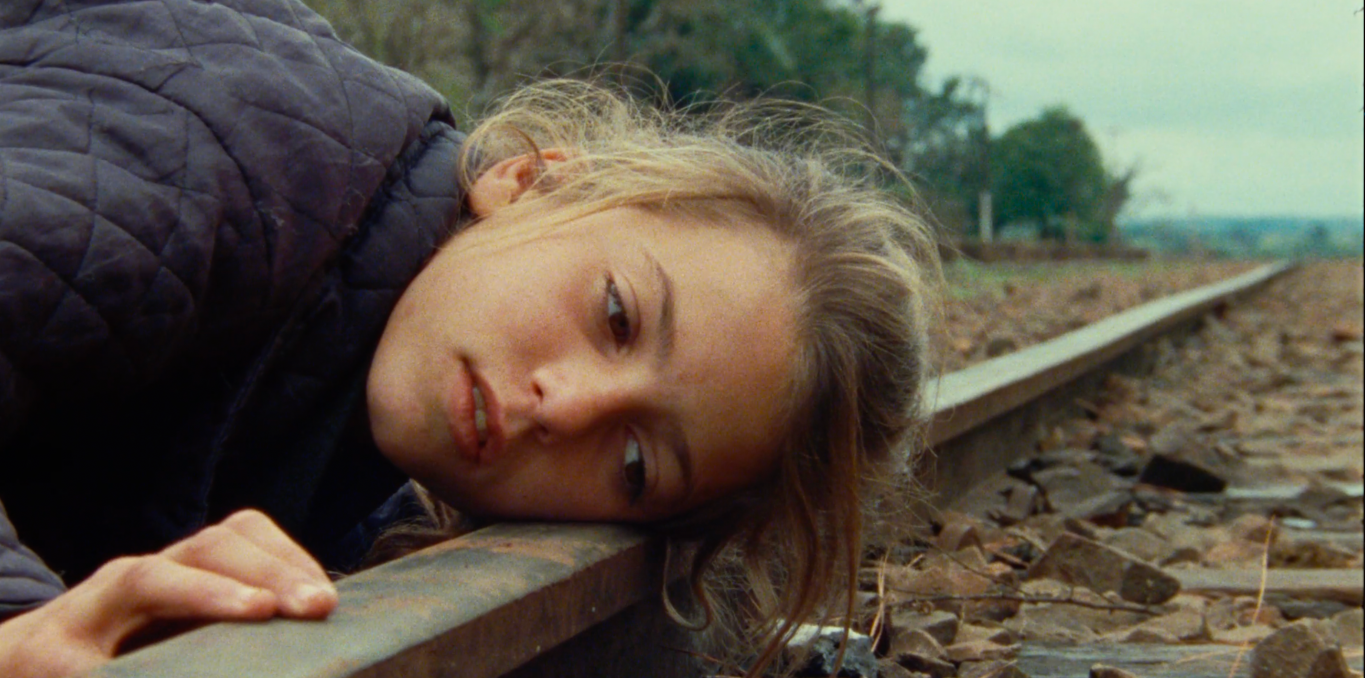
With lush and intimate photography, Wojciech Staroń documents his family's move from Poland to Argentina. Struggling to adapt in a foreign country, his 8-year-old son Janek finds a friend in Marcia, a grounded 11-year-old Argentinean of Polish descent. With a strength and determination well beyond her years, Marcia must help make ends meet while holding her family together.
The Day to Come Is a Bright New Day
The Day to Come Is a Bright New Day
Duration: 1h30Subscription access
Early morning in a Montreal diner: filter coffee, bacon, French toast. Stories and solitudes are shared. Silences, glances, a chance encounter, and the promise of a brand-new day. A restaurant that feels like a refuge, where the chaos of the world nonetheless finds its way in, captured with tenderness and love for its characters.
Gods of Stone
Subscription access
Filmed over fifteen years, _Deuses de pedra_ (_Gods of Stone_) paints a portrait of a rural community along the historic border between Galicia and Portugal. Through the eyes of Mariana, a young girl growing up immersed in local stories, legends, and folklore, the film explores the ties between past and present, belonging and change. As the story unfolds, the magic of tradition is confronted wi...
Samuel and the Light
Subscription access
Samuel lives in Ponta Negra, a small fishing village on the coast of Paraty, Brazil. Following the boy and his family over the course of six years, the film gradually reveals a more complex reality and its inherent contradictions. The arrival of electricity and tourism crystallizes the dismantling of an idealized paradise, painting a nuanced portrait of contemporary Brazil.
499
Subscription access
To reflect on the 500-year anniversary of the Spanish conquest of Mexico in 2021, director Reyes offers a bold hybrid cinema experience exploring the brutal legacy of colonialism in contemporary Mexico. Through the eyes of a ghostly conquistador, the film recreates Hérnan Cortés' epic journey from the coasts of Veracruz to the Aztec capital of Tenochtitlan, the site of contemporary Mexico City....
Un printemps de square
Subscription access
In a working-class neighborhood of Paris, high school students and other young people living in the nearby social housing gather in a small public square over the course of a spring. A documentary shot between 1977 and 1978 and re-edited by the director in 2022.
Everything Everywhere Again Alive
Everything Everywhere Again Alive
Duration: 1h12In the early 1970s, Keith Lock moved to the hippie community of Buck Lake, north of Kingston, Ontario. He went there to join members of Toronto’s underground scene, capturing the daily life of a horizontal, ideal society, free from urban oppression. The result is one of the masterpieces of Canadian experimental cinema, but above all a free-spirited film that challenges the very idea of freedom.
About Some Meaningless Events
Subscription access
A group of young filmmakers ask residents of Casablanca for their opinions on Moroccan cinema as part of a film project. During the shoot, a dispute breaks out between a dockworker and his superior, resulting in the accidental death of the latter. Having captured the incident on film, the crew begins to question the man’s motives and reflect on the role of cinema in society and the forms it can...
La vie est immense et pleine de dangers
La vie est immense et pleine de dangers
Duration: 1h20Subscription access
Cedric is eight years old. One day, he has stomach pains. During the following six months, he will mostly live in a small unit for children suffering from cancer, on the fifth floor of the Institut Curie in Paris. His words and the story intertwine with those of Steve, Dolores and the other children. Cedric will lead us each time a bit further, through all the trials that he'll face until his r...
Antoine
With _Antoine_, filmmaker Laura Bari treats us to a sensitive portrait of a six-year-old boy, one like any other, except that he’s blind. We follow Antoine in his classes, playing with friends, skating, and visiting family. We accompany him on imaginary excursions as a detective, listen to him as a radio host, and sit shotgun as he drives his parents’ car. Antoine allows us access back into chi...
Argentinian Lesson
Subscription access
With lush and intimate photography, Wojciech Staroń documents his family's move from Poland to Argentina. Struggling to adapt in a foreign country, his 8-year-old son Janek finds a friend in Marcia, a grounded 11-year-old Argentinean of Polish descent. With a strength and determination well beyond her years, Marcia must help make ends meet while holding her family together.
All films
Urban Forests
Subscription access
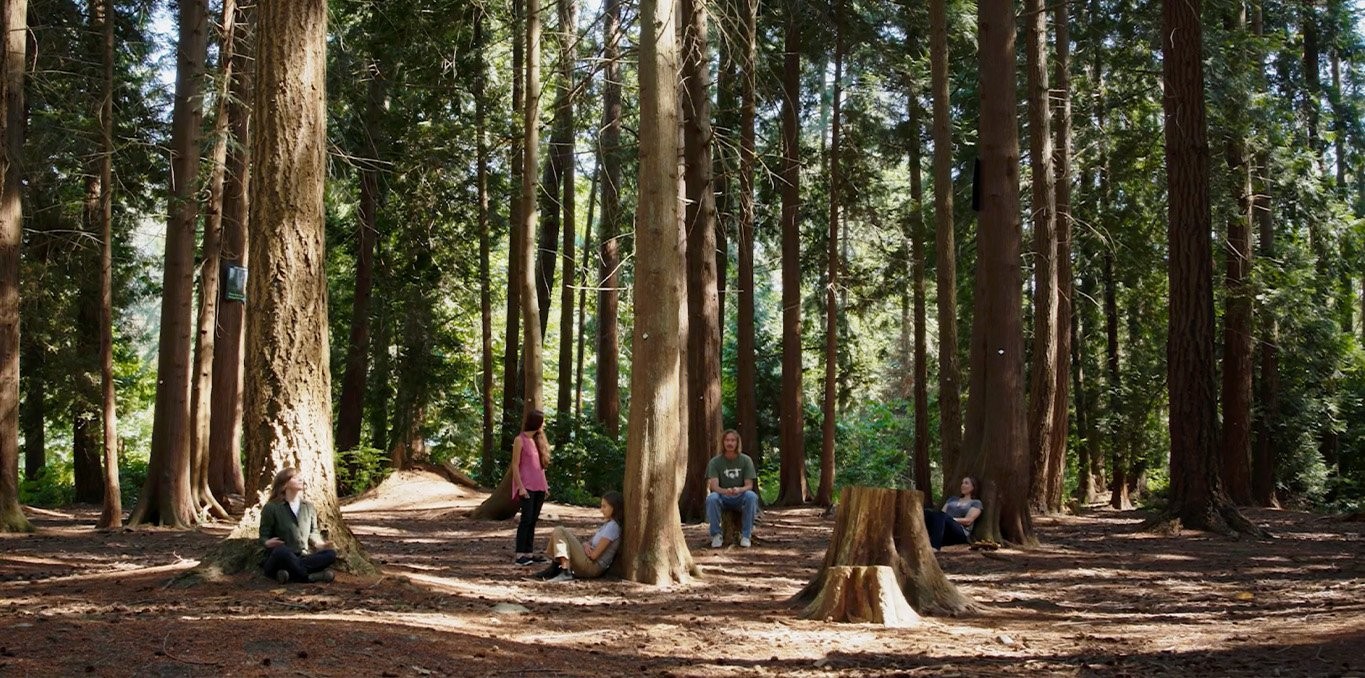
While green spaces have long been neglected in cities, community-led efforts in recent years have helped restore the many benefits of urban forests. Through a number of innovative nature restoration projects in cities across Canada—from Montreal to Vancouver, via Toronto, Laval, Varennes, and New Westminster—this documentary explores initiatives aimed at bringing nature back into the urban envi...
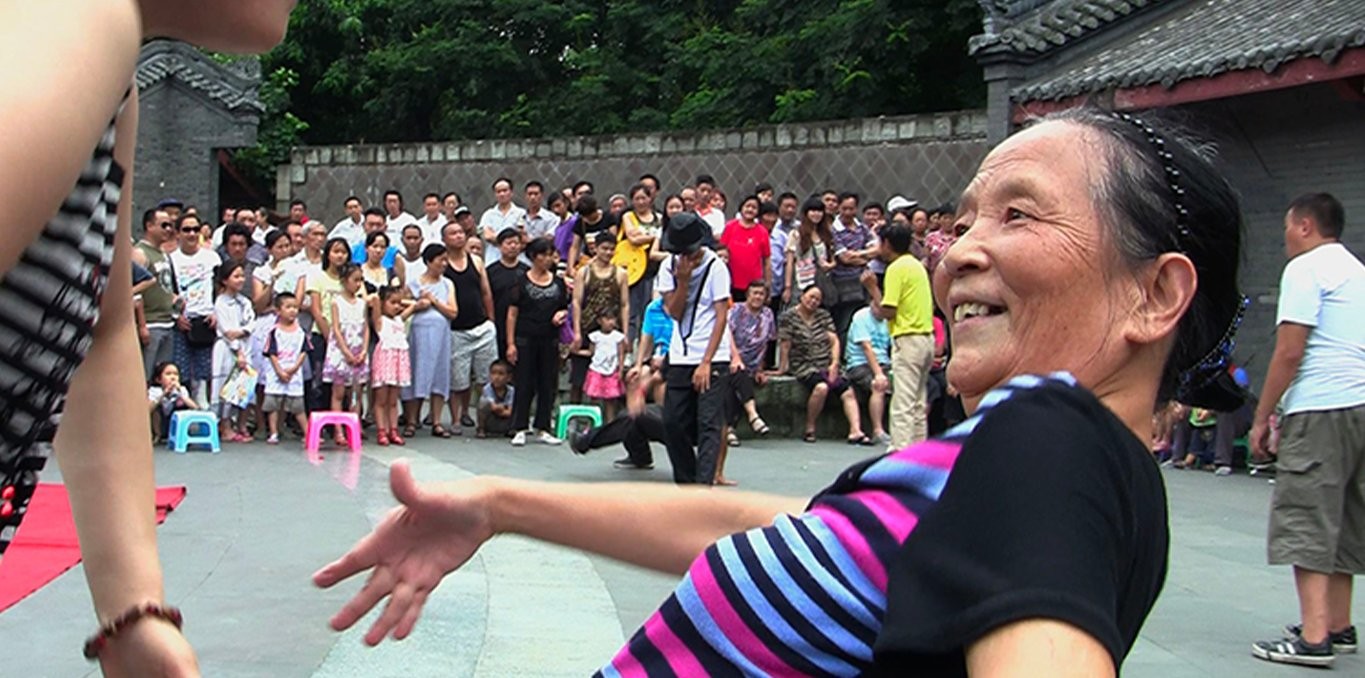
People's Park
Subscription access
A mesmerizing, one-of-a-kind window into modern China, _People's Park_ is an exhilarating single shot documentary that immerses viewers in an unbroken journey through a famous urban park in Chengdu, Sichuan Province. The film explores the dozens of moods, rhythms, and performances coexisting in tight proximity within the park's prismatic social space. A sensory meditation on cinematic time and ...
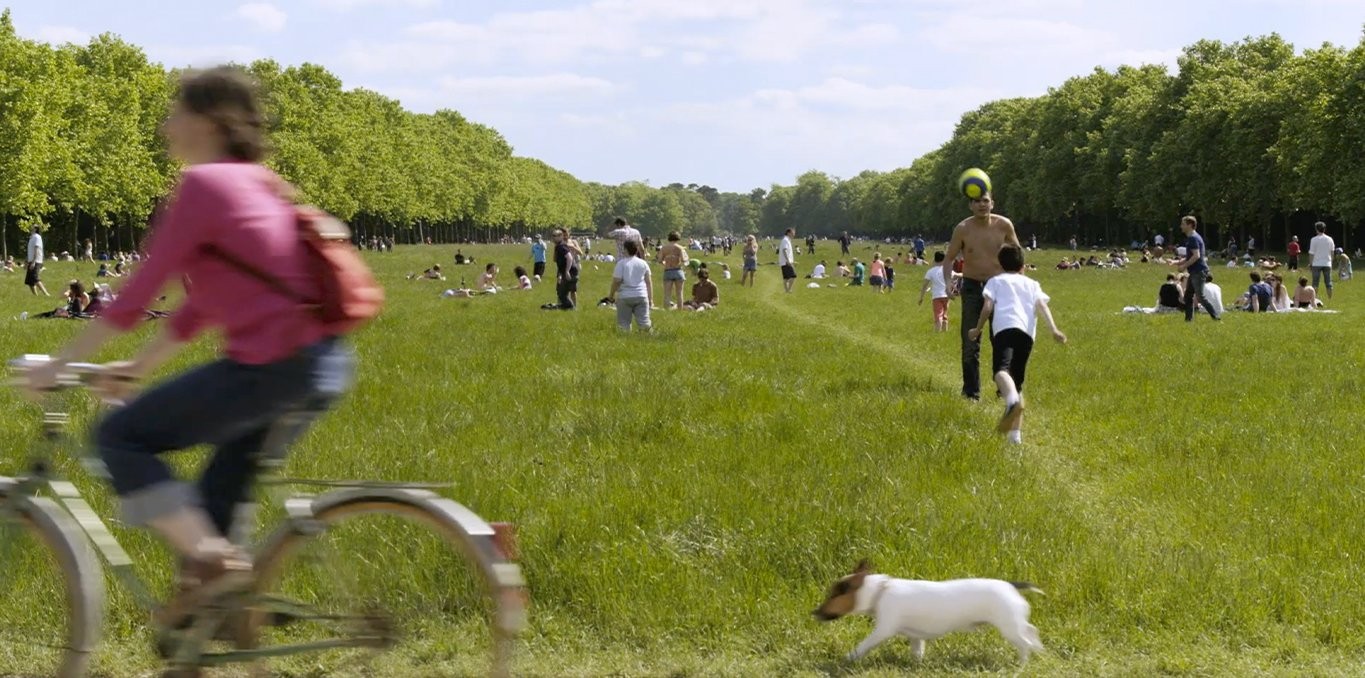
The Woods Dreams Are Made of
Subscription access
There are days when we’ve had enough of the city, when our eyes can’t stand seeing nothing but buildings, and our ears can no longer bear hearing the sound of engines. So we leave. We move from the sidewalk to the trail, and suddenly we’re in the woods. The hum of the city fades away; we’re in a meadow far, far away. It’s the countryside, the forest, childhood returning. We believe it; we’re th...
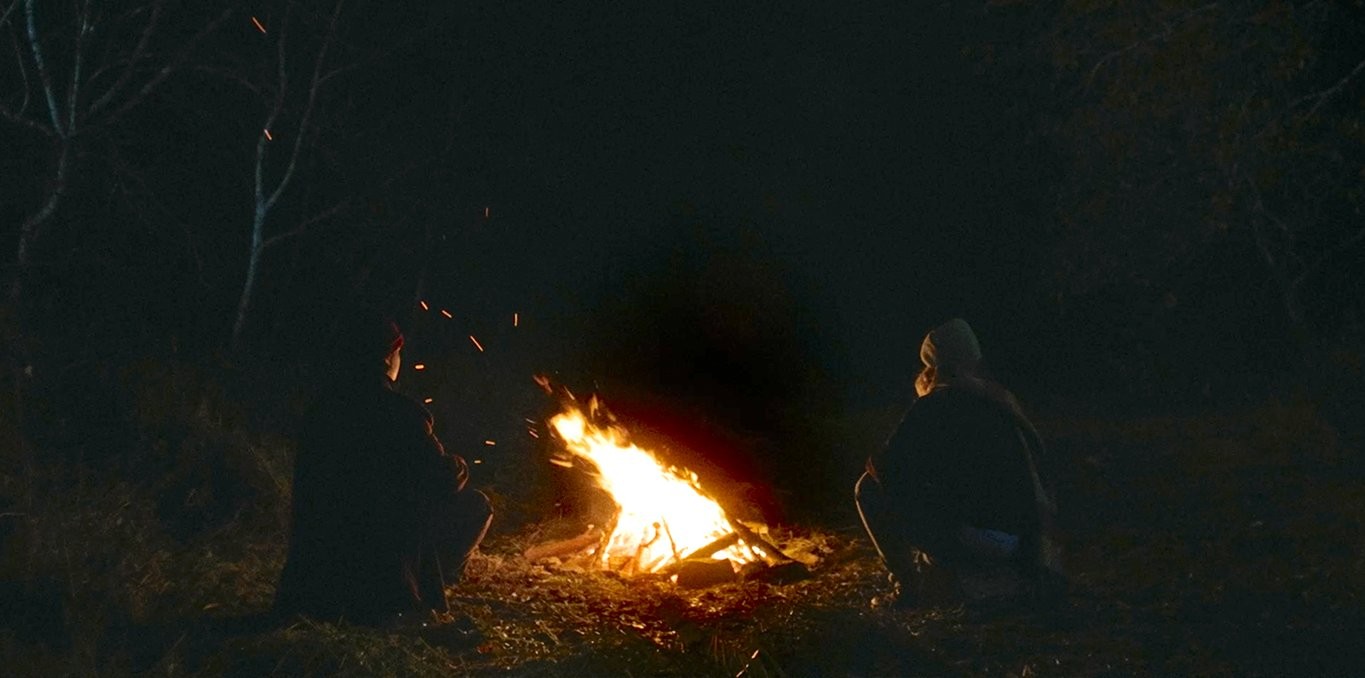
Feu fantôme
Subscription access
"A long time ago, I was raped by a boy I really liked. A few years later, he reached out to me again to take responsibility for his actions. This film is our open letter to rape culture." — Morgane Ambre
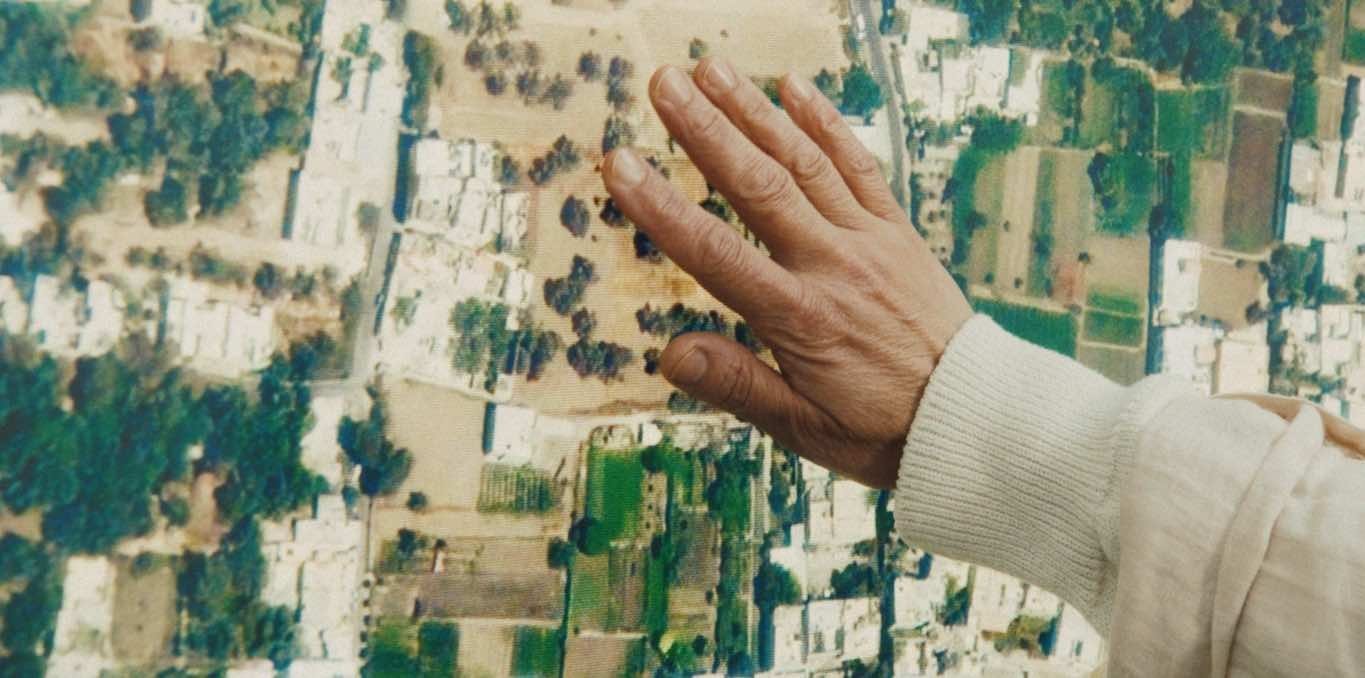
Al Basateen (The Orchards)
Subscription access
In 2015 in Damascus, the Basateen al-Razi neighborhood was razed to the ground to punish the population for rising up against Bashar al-Assad’s regime. This site is set to make way for Marota City, a project for a modern, connected neighborhood featuring 80 skyscrapers. Having lost everything, two former residents recall their neighborhood, where their homes once stood alongside the city’s olde...
The Day to Come Is a Bright New Day
The Day to Come Is a Bright New Day
Duration: 1h30Subscription access
Early morning in a Montreal diner: filter coffee, bacon, French toast. Stories and solitudes are shared. Silences, glances, a chance encounter, and the promise of a brand-new day. A restaurant that feels like a refuge, where the chaos of the world nonetheless finds its way in, captured with tenderness and love for its characters.
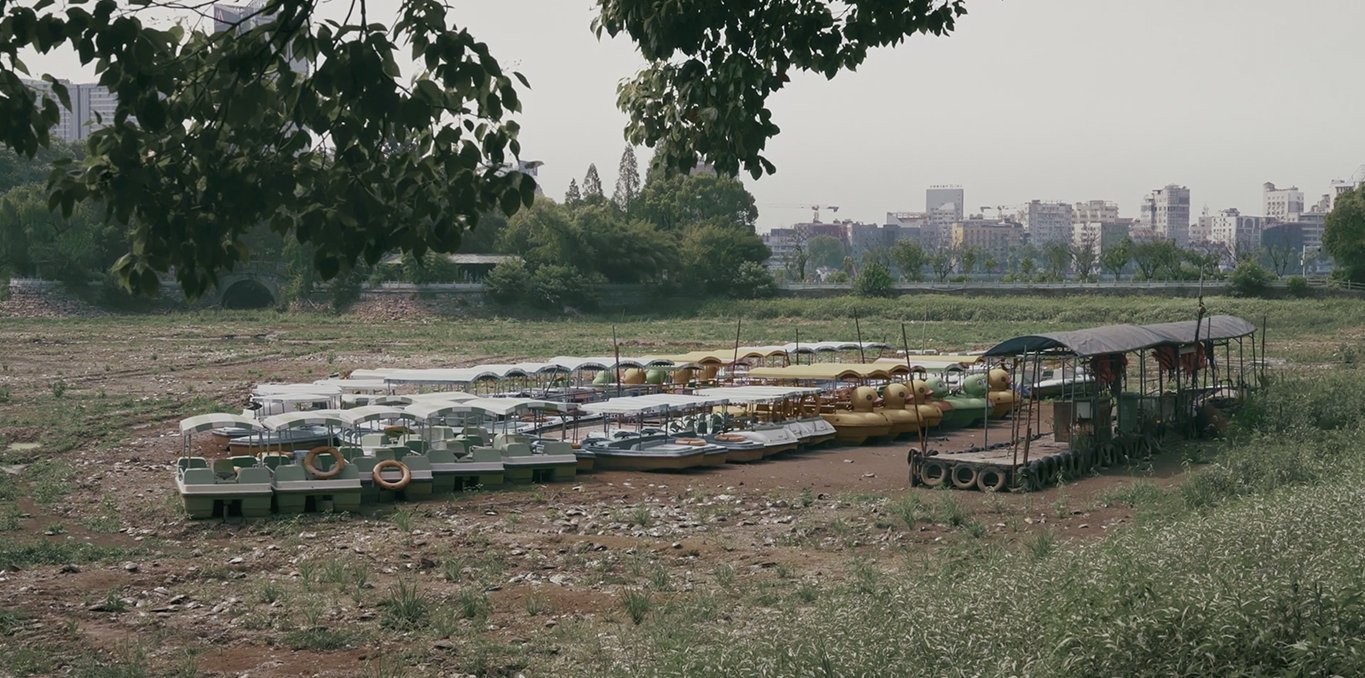
Gan Tang, The Lake
Subscription access
"In my hometown of Jiujiang, China, a natural lake and an amusement park share the same name: Gan Tang. The name, meaning “pear trees,” is often associated with a beautiful imagery and comes from the oldest Chinese poem collection, _Book of Odes_. [...] In the summer of 2023, the lake was blocked from the public, drained, and cleansed, followed by the demolition of the Gan Tang Park. The govern...
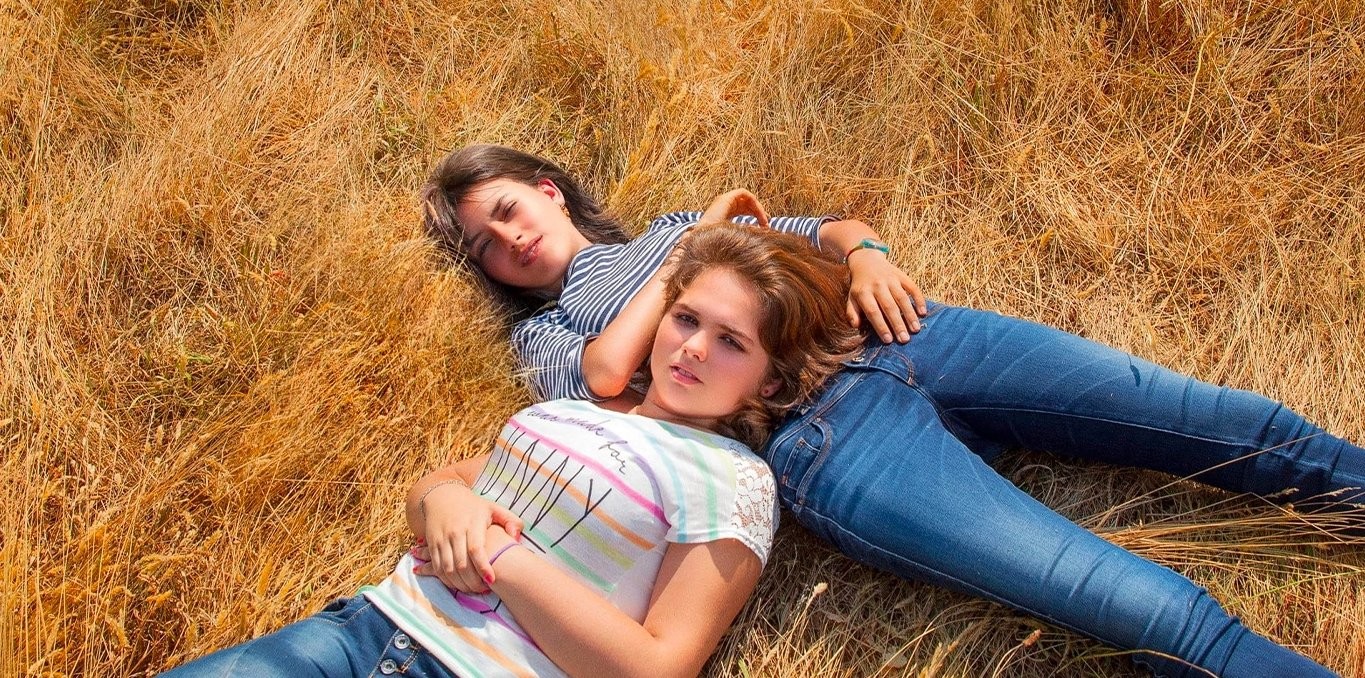
Adolescents
Subscription access
Over five years, _Adolescentes_ follows Emma and Anaïs, two inseparable friends from different backgrounds and with very different personalities, through their journey from adolescence to adulthood. First loves, doubts, discoveries and profound transformations punctuate their lives, offering a rare portrait of a generation and a changing France.
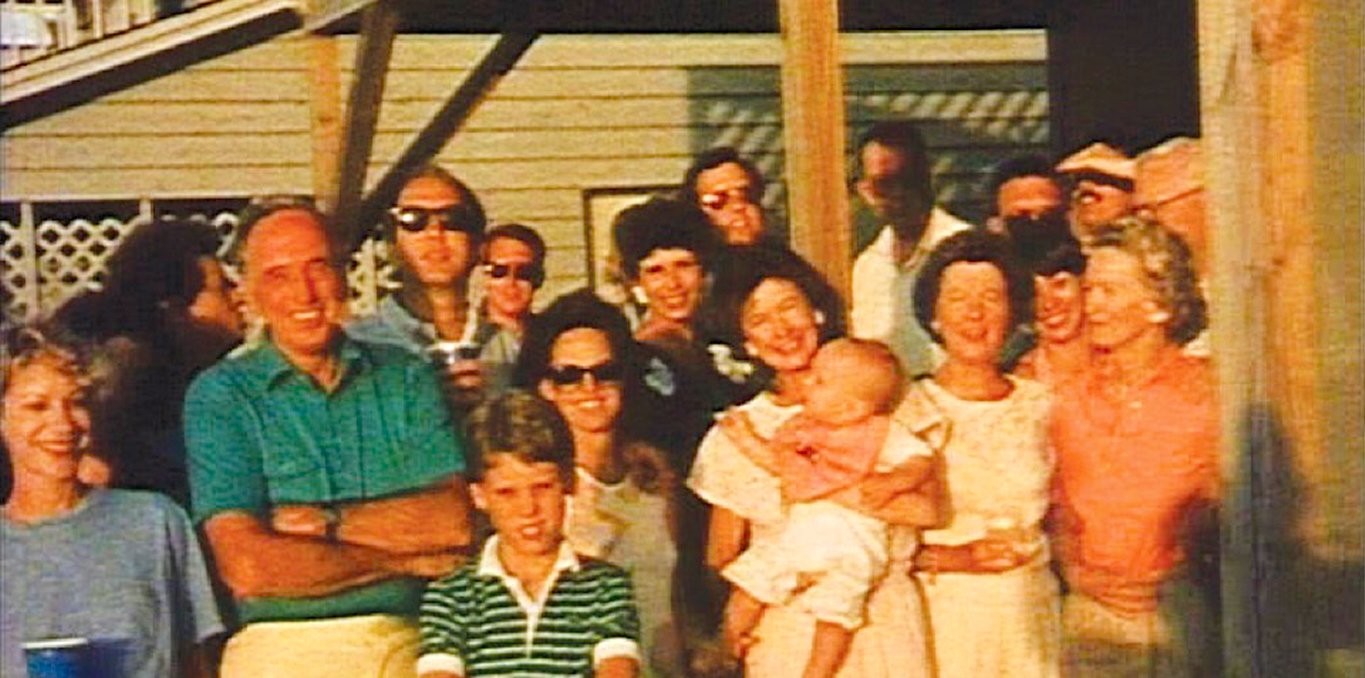
Time Indefinite
Subscription access
Forty-year-old documentary filmmaker Ross McElwee has a penchant for filming everything around him. Following the announcement of his impending marriage, he turns on his camera to capture life as it unfolds during this new phase of his life. Both in personal and philosophical terms, McElwee reflects through self-narration on life, death, love, family, and parenthood.
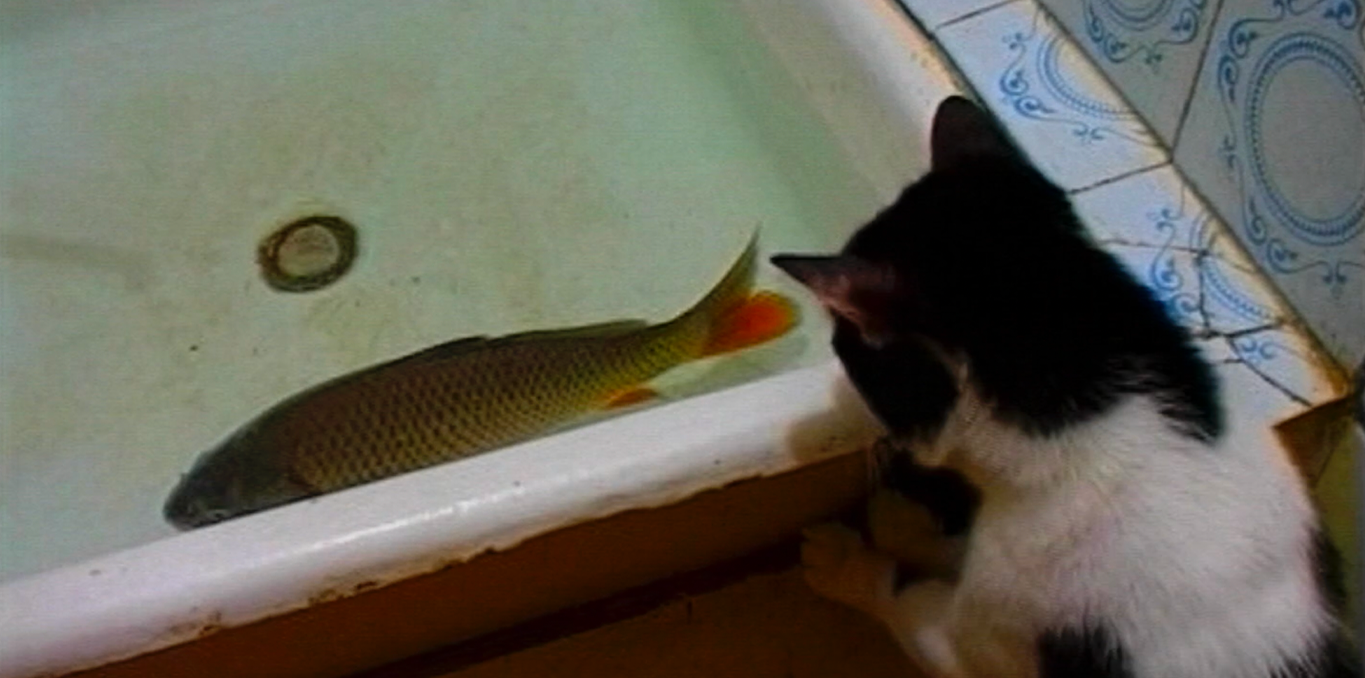
Diary
Subscription access
Larissa faces the many hardships of post-Soviet life: poverty, an alcoholic husband, and an uncertain future. By chance, she discovers her grandmother’s diary, in which she had recorded a dream that seems strangely connected to her own life. A poetic film about memory, family, and the traces of the past.
Urban Forests
Subscription access
While green spaces have long been neglected in cities, community-led efforts in recent years have helped restore the many benefits of urban forests. Through a number of innovative nature restoration projects in cities across Canada—from Montreal to Vancouver, via Toronto, Laval, Varennes, and New Westminster—this documentary explores initiatives aimed at bringing nature back into the urban envi...
People's Park
Subscription access
A mesmerizing, one-of-a-kind window into modern China, _People's Park_ is an exhilarating single shot documentary that immerses viewers in an unbroken journey through a famous urban park in Chengdu, Sichuan Province. The film explores the dozens of moods, rhythms, and performances coexisting in tight proximity within the park's prismatic social space. A sensory meditation on cinematic time and ...
The Woods Dreams Are Made of
Subscription access
There are days when we’ve had enough of the city, when our eyes can’t stand seeing nothing but buildings, and our ears can no longer bear hearing the sound of engines. So we leave. We move from the sidewalk to the trail, and suddenly we’re in the woods. The hum of the city fades away; we’re in a meadow far, far away. It’s the countryside, the forest, childhood returning. We believe it; we’re th...
Feu fantôme
Subscription access
"A long time ago, I was raped by a boy I really liked. A few years later, he reached out to me again to take responsibility for his actions. This film is our open letter to rape culture." — Morgane Ambre
Al Basateen (The Orchards)
Subscription access
In 2015 in Damascus, the Basateen al-Razi neighborhood was razed to the ground to punish the population for rising up against Bashar al-Assad’s regime. This site is set to make way for Marota City, a project for a modern, connected neighborhood featuring 80 skyscrapers. Having lost everything, two former residents recall their neighborhood, where their homes once stood alongside the city’s olde...
The Day to Come Is a Bright New Day
The Day to Come Is a Bright New Day
Duration: 1h30Subscription access
Early morning in a Montreal diner: filter coffee, bacon, French toast. Stories and solitudes are shared. Silences, glances, a chance encounter, and the promise of a brand-new day. A restaurant that feels like a refuge, where the chaos of the world nonetheless finds its way in, captured with tenderness and love for its characters.
Gan Tang, The Lake
Subscription access
"In my hometown of Jiujiang, China, a natural lake and an amusement park share the same name: Gan Tang. The name, meaning “pear trees,” is often associated with a beautiful imagery and comes from the oldest Chinese poem collection, _Book of Odes_. [...] In the summer of 2023, the lake was blocked from the public, drained, and cleansed, followed by the demolition of the Gan Tang Park. The govern...
Adolescents
Subscription access
Over five years, _Adolescentes_ follows Emma and Anaïs, two inseparable friends from different backgrounds and with very different personalities, through their journey from adolescence to adulthood. First loves, doubts, discoveries and profound transformations punctuate their lives, offering a rare portrait of a generation and a changing France.
Time Indefinite
Subscription access
Forty-year-old documentary filmmaker Ross McElwee has a penchant for filming everything around him. Following the announcement of his impending marriage, he turns on his camera to capture life as it unfolds during this new phase of his life. Both in personal and philosophical terms, McElwee reflects through self-narration on life, death, love, family, and parenthood.
Diary
Subscription access
Larissa faces the many hardships of post-Soviet life: poverty, an alcoholic husband, and an uncertain future. By chance, she discovers her grandmother’s diary, in which she had recorded a dream that seems strangely connected to her own life. A poetic film about memory, family, and the traces of the past.