Speakn' Trane
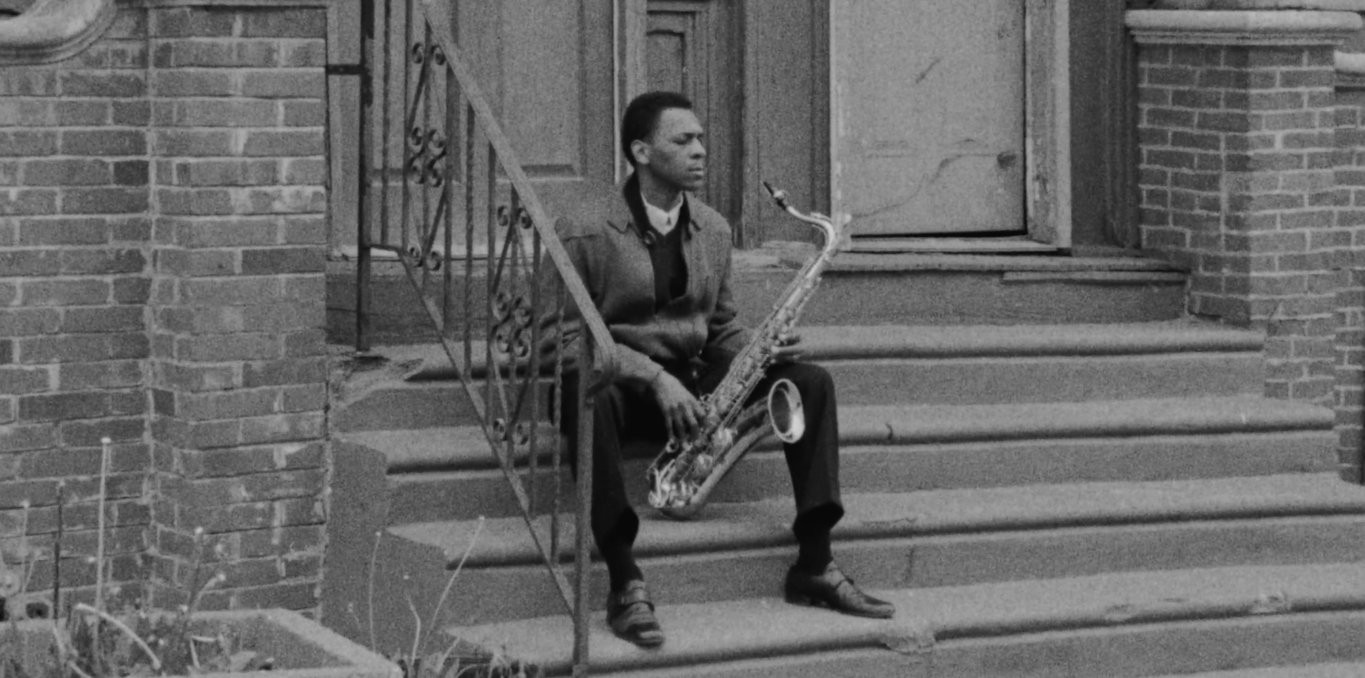
_Speakn’ Trane_ is a visual conversation that considers one of the great masterpieces of music through the eyes of its creator. Mirroring the dialogue at its core, it mixes 16mm film and digital images, performance and nature footage to illustrate the revolutionary themes and ideas that would combine to craft the album _A Love Supreme_: the generative practice of meditation, the creative potential of communion with nature, and the cosmologies of Black musical masters of the early to mid-1960s. It also celebrates John Coltrane’s formative connection to the city of Philadelphia. Harkening to the Akan principles of Sankofa, the musician returns to his home to reclaim lost parts of himself and complete his circle of evolution.
| Director | Shahkeem E. Williams |
| Actor | Badewa Ajibade |
| Share on |
Speakn’ Trane instantly stood out for me when I saw it. Shot on 16mm film, the classic visuals offer an impressive aesthetic that beautifully complements the subject of jazz music. The contrasting monochrome and coloured visuals in separate segments of the film add a layer of visual spectacle to an already impressive work of art on jazz. Jazz music is culturally significant in North America, especially among Black people. The music’s impressive richness is only outdone by its great historical significance.
This film conveys the complexities of jazz history by referencing one of the most influential jazz musicians of all time, John Coltrane. A fictionalized interview, brilliantly performed by the actors, both of whom share great screen chemistry, serves as a pathway into the psyche, emotions, and processes of a young Black jazz musician raised on strong family values to be respectful but proud of his Black heritage. From a filmmaking perspective, the film’s historical accuracy is remarkable. From an audience perspective, the film offers viewers the opportunity to celebrate the life of a simple man who was also a remarkable musician, before his tragic death.
Badewa Ajibade
Filmmaker and programmer

-
Français
19 mn
Language: Français
Subtitles: Français -
English
19 mn
Language: English
Subtitles: English
- Année 2024
- Pays United States
- Durée 19
- Producteur Anyabwile Love
- Langue English
- Sous-titres French, English
- Résumé court A visual conversation exploring the revolutionary spirit behind John Coltrane’s “A Love Supreme.”
- TLF_Applismb_CA 1
- Date édito CA 2026-01-23
Speakn’ Trane instantly stood out for me when I saw it. Shot on 16mm film, the classic visuals offer an impressive aesthetic that beautifully complements the subject of jazz music. The contrasting monochrome and coloured visuals in separate segments of the film add a layer of visual spectacle to an already impressive work of art on jazz. Jazz music is culturally significant in North America, especially among Black people. The music’s impressive richness is only outdone by its great historical significance.
This film conveys the complexities of jazz history by referencing one of the most influential jazz musicians of all time, John Coltrane. A fictionalized interview, brilliantly performed by the actors, both of whom share great screen chemistry, serves as a pathway into the psyche, emotions, and processes of a young Black jazz musician raised on strong family values to be respectful but proud of his Black heritage. From a filmmaking perspective, the film’s historical accuracy is remarkable. From an audience perspective, the film offers viewers the opportunity to celebrate the life of a simple man who was also a remarkable musician, before his tragic death.
Badewa Ajibade
Filmmaker and programmer
-
Français
Duration: 19 minutesLanguage: Français
Subtitles: Français19 mn -
English
Duration: 19 minutesLanguage: English
Subtitles: English19 mn
- Année 2024
- Pays United States
- Durée 19
- Producteur Anyabwile Love
- Langue English
- Sous-titres French, English
- Résumé court A visual conversation exploring the revolutionary spirit behind John Coltrane’s “A Love Supreme.”
- TLF_Applismb_CA 1
- Date édito CA 2026-01-23