(Re)seeing the living

The labdoc (research laboratory on documentary audiovisual practices) joins forces with Tënk to develop this special programming as part of the international conference (Re)seeing the Living: Documentary Explorations in Research-Creation. Building on labdoc’s ongoing work on the multifaceted relationships between moving images and the living world (including the annual study days Éco*Vidéo, research initiatives, and research-creation projects such as Imagining Possible Futures: an Immersive Installation; Cinema and the Museum: Animal Taxidermy and Other Archives of the Living; Entanglements…), this programming focuses in particular on various possible forms of dialogue with other modes of existence that cross our paths, surround us, and shape us.

Armed with cameras, microphones, magnifying glasses, binoculars, microscopes… or simply by observing and listening attentively, the protagonists—sometimes also the filmmakers of these works—bear witness to the many manifestations of living presence. The uncomfortable hours spent in hiding give way to an indescribable emotion when the animal finally appears, fleetingly, or even better, when it returns the gaze—calm, both intensely present and sovereignly distant. For wildlife photographers and filmmakers, commitment is almost sacred and can even radically transform a way of life. This is the case of women who leave behind home, profession, and city life to live in closer proximity to “companion species”[1].
Commitment, however, is not only contemplative. It transforms lives and sometimes leads, even against one’s own expectations, to forms of activism. After having intensely experienced the ties that bind us to nature, after having sensed through their own bodies the fragility of biodiversity, after having witnessed closely the damage already inflicted upon the living world, how could one not feel outraged in the face of development projects driven solely by economic profitability (and even then, only for some)?
New highway complexes cutting through forests, illegal housing developments in the nesting areas of endangered species, luxury icebreaker hotels catering to the ultra-wealthy that contribute to pollution in Antarctica while disturbing animal habitats… “We must stop thinking that things happen on their own,” a veterinarian protests in Animus femina. The enforcement of laws and regulations is not self-evident. Because while one must begin by discovering the infinite shimmer of living forms in order to care about them, these existences are not meant solely for our appreciation of beauty.
The diversity of the living world calls for responsible practices. For the protagonists of this Stopover, this means caring for, treating, observing, studying, and transmitting the knowledge arising from these practices. Resistance is also a matter of transmission. Assistants, apprentices, and students take part in the work, develop their own research, and share knowledge through public lectures—especially for children—and through media outreach and awareness-raising. Wildlife photographers and filmmakers, meanwhile, share the objects of their wonder across various platforms.
Throughout this programming, a strong desire for creation also emerges: projecting the forms of insects or birds onto paper, film, fabric. Photographing, drawing, drawing again, printing, engraving. Perhaps as acts of memory. Or in the hope of holding onto these presences, often fleeting. One cannot help but think of those artists who, despite the fog of distant times, still appear to us in the traces left in the cave paintings of Altamira or Chauvet.
Diane Poitras, Viva Paci and Maxime Michaud
Organizing committee of the conference
(Re)seeing the Living: Documentary Explorations in Research-Creation
[1] Haraway, D. J., Hansen, J., & Despret, V. (2018). The Companion Species Manifesto: Dogs, Humans, and Other Partners. Climats.
4 products
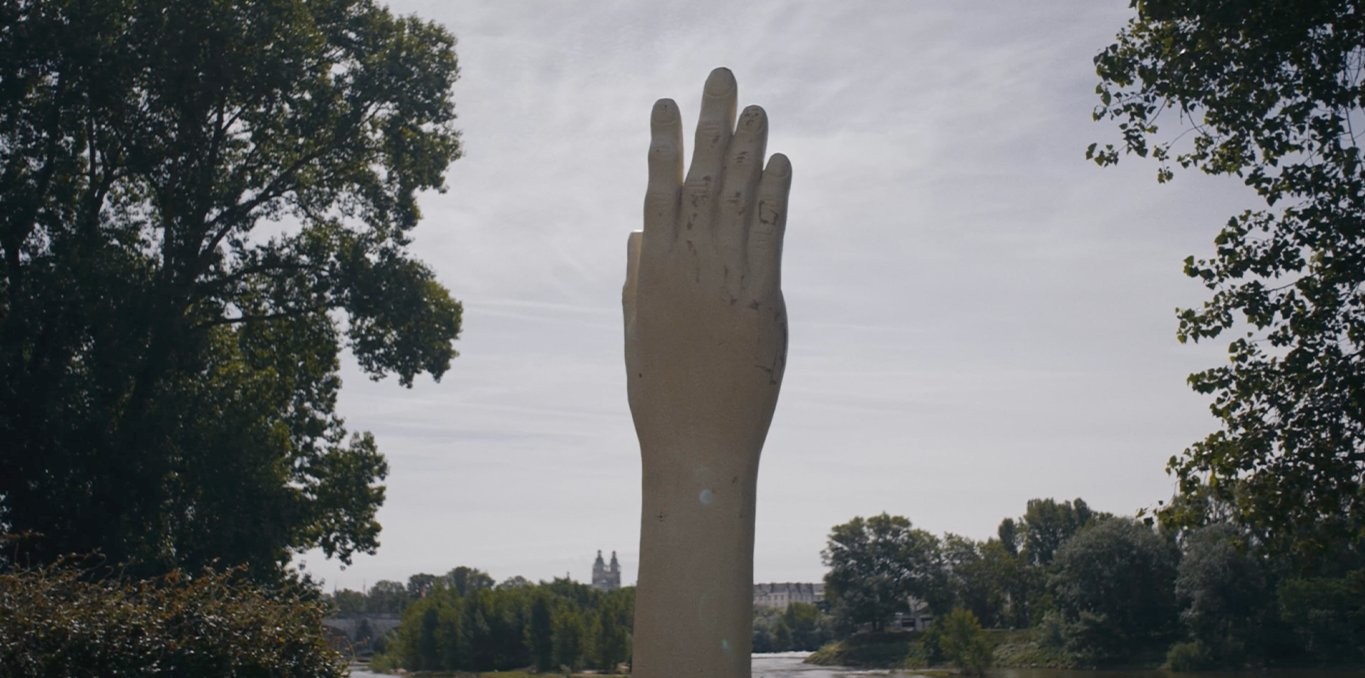
Pioneer Species
Subscription access
In a community garden in Nanterre, inhabitants gather weekly around a pioneer tree species (empress tree, _pawlawnia tomentosa_) that will one day be planted in the future metro stations of the Grand Paris. Through these gatherings, they learn how plants respond to soil, water and urban conditions, while collectively imagining what their neighborhood could become. The film finds its counterpoin...
Before Their Eyes
A couple moves into a tower on an island and spends each day observing the small creatures living on the foreshore and in the grass. By reversing scales and perspectives the film establishes a strange relationship between the observers and the observed. While small living beings try to express their fragility in the face of intrusive exploration, what anxieties do humans experience?
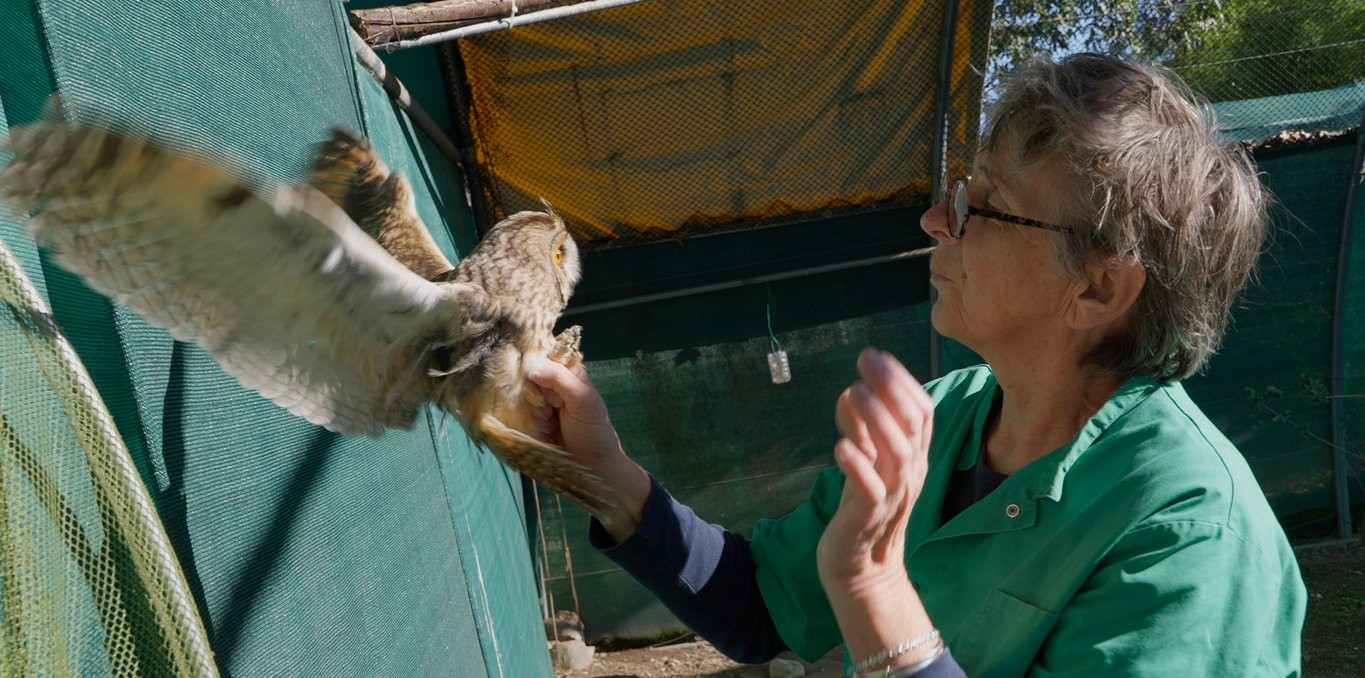
Animus femina
Subscription access
Four women in close contact with wildlife explore our relationship with living beings through repair, reflection, art and "living-with". Four exceptional journeys that invite us to decenter our human gaze and rethink our ways of inhabiting the world in a time of climate crisis.
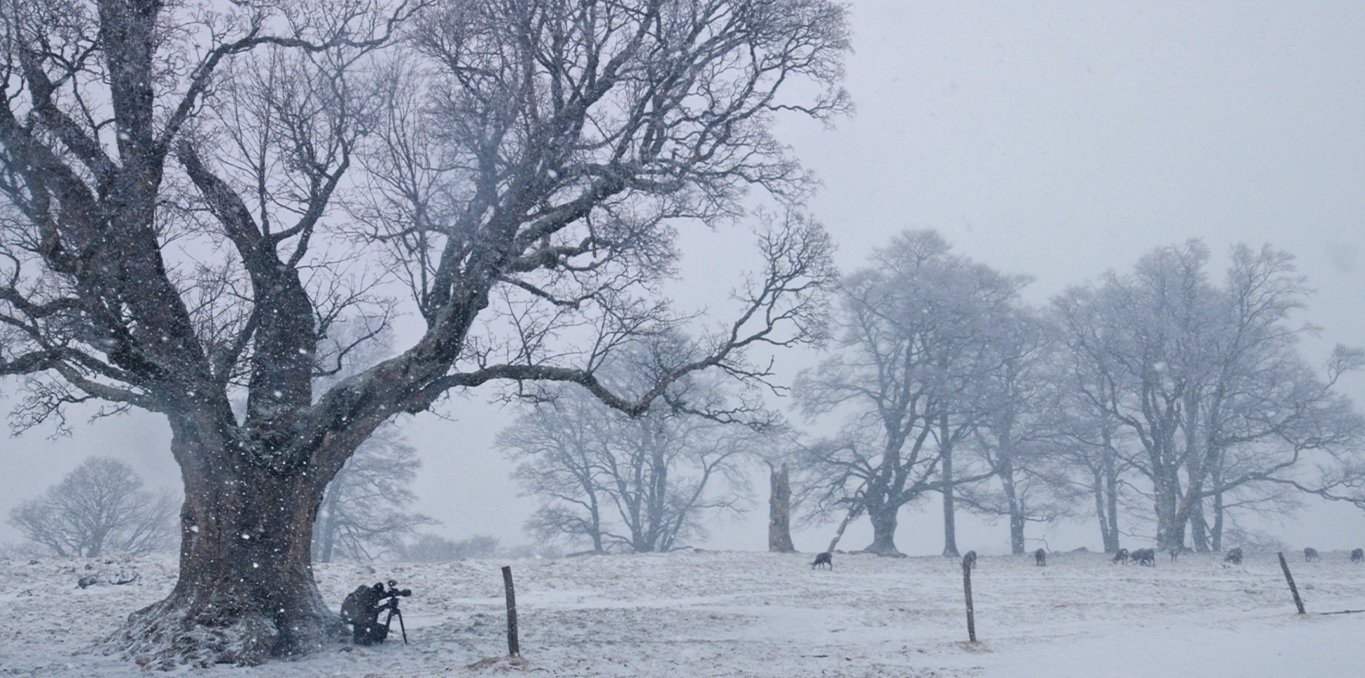
Life Through The Lens
Subscription access
_Life Through The Lens_ invites us to meet some of passionate individuals of biodiversity in France who contributed to Yann Arthus-Bertrand’s film _Vibrant_ in 2023. Whether professional or amateur naturalists, budding or seasoned videographers, they share with us their life experiences and the little secrets that have enabled them to become intimate witnesses to a natural world as beautiful as...
Pioneer Species
Subscription access
In a community garden in Nanterre, inhabitants gather weekly around a pioneer tree species (empress tree, _pawlawnia tomentosa_) that will one day be planted in the future metro stations of the Grand Paris. Through these gatherings, they learn how plants respond to soil, water and urban conditions, while collectively imagining what their neighborhood could become. The film finds its counterpoin...
Before Their Eyes
A couple moves into a tower on an island and spends each day observing the small creatures living on the foreshore and in the grass. By reversing scales and perspectives the film establishes a strange relationship between the observers and the observed. While small living beings try to express their fragility in the face of intrusive exploration, what anxieties do humans experience?
Animus femina
Subscription access
Four women in close contact with wildlife explore our relationship with living beings through repair, reflection, art and "living-with". Four exceptional journeys that invite us to decenter our human gaze and rethink our ways of inhabiting the world in a time of climate crisis.
Life Through The Lens
Subscription access
_Life Through The Lens_ invites us to meet some of passionate individuals of biodiversity in France who contributed to Yann Arthus-Bertrand’s film _Vibrant_ in 2023. Whether professional or amateur naturalists, budding or seasoned videographers, they share with us their life experiences and the little secrets that have enabled them to become intimate witnesses to a natural world as beautiful as...