Spotlight on Baltic Shorts

Documentary film has long been a cornerstone of Baltic cinema, shaping the region’s distinctive cinematic voice.
During the Soviet period, documentary filmmaking became one of the key forms of artistic expression. Movements such as the Riga School of Poetic Documentary Cinema helped shape an internationally recognised language of non-fiction filmmaking. Lithuanian, Latvian, and Estonian filmmakers have often turned to the poetic documentary style—focusing on imagery, rhythm, and the nuances of everyday life—to subtly express national identity, memory, and even resistance within the constraints of censorship. Documentary was not just a genre but a way of preserving national culture and reflecting social reality.
Today, the legacy of poetic documentary continues to inspire Baltic filmmakers, who blend personal storytelling, formal experimentation, and social reflection, offering intimate and nuanced perspectives on contemporary life in the region.
Lauma Kaudzīte
Head of RIGA IFF Short Film Programme
and SHORT RIGA Test Screenings
4 products
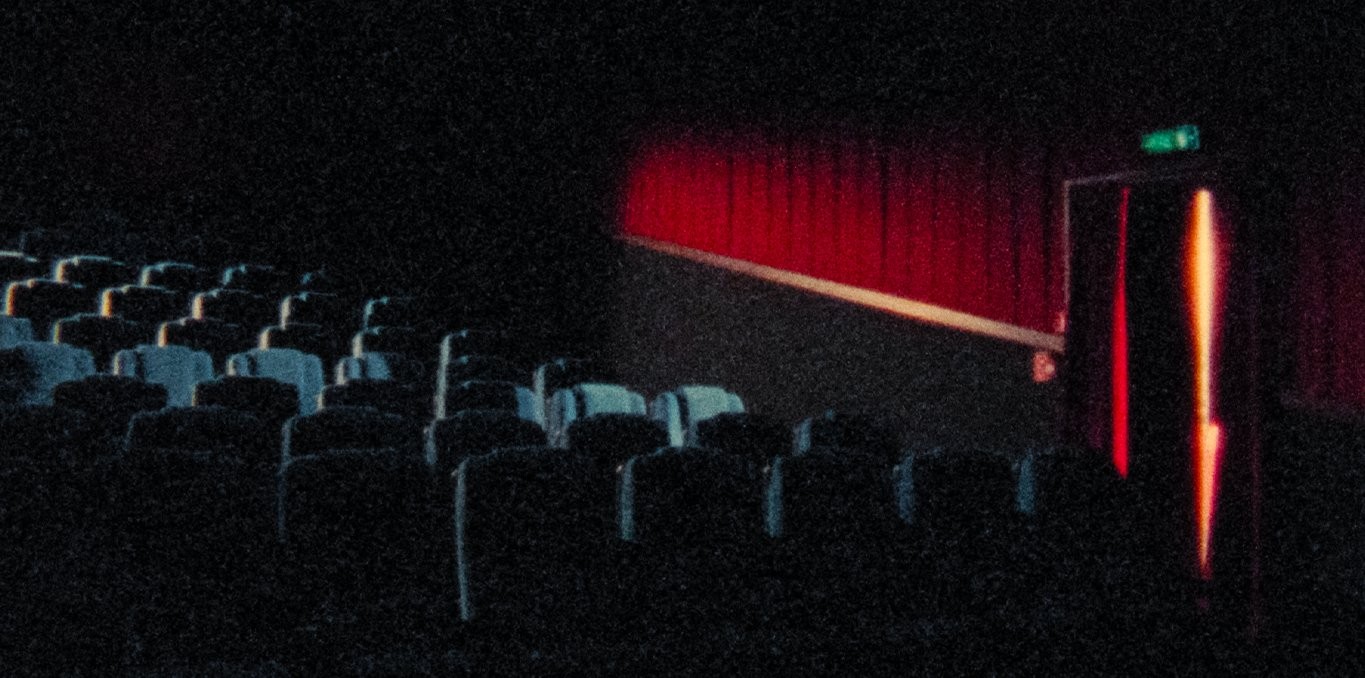
81 meters
Duration: 28 minutes
Subscription access
Spring 2021. A cinephile invites you on an intimate journey through the last surviving cinema houses in Latvia. This documentary essay, shot on Super 8, opens the locked doors of these theaters during what may be the most difficult period in the history of physical cinema spaces. They are closed to the public, but at times we can feel that they are still alive.
The Observer
Duration: 18 minutes
Subscription access
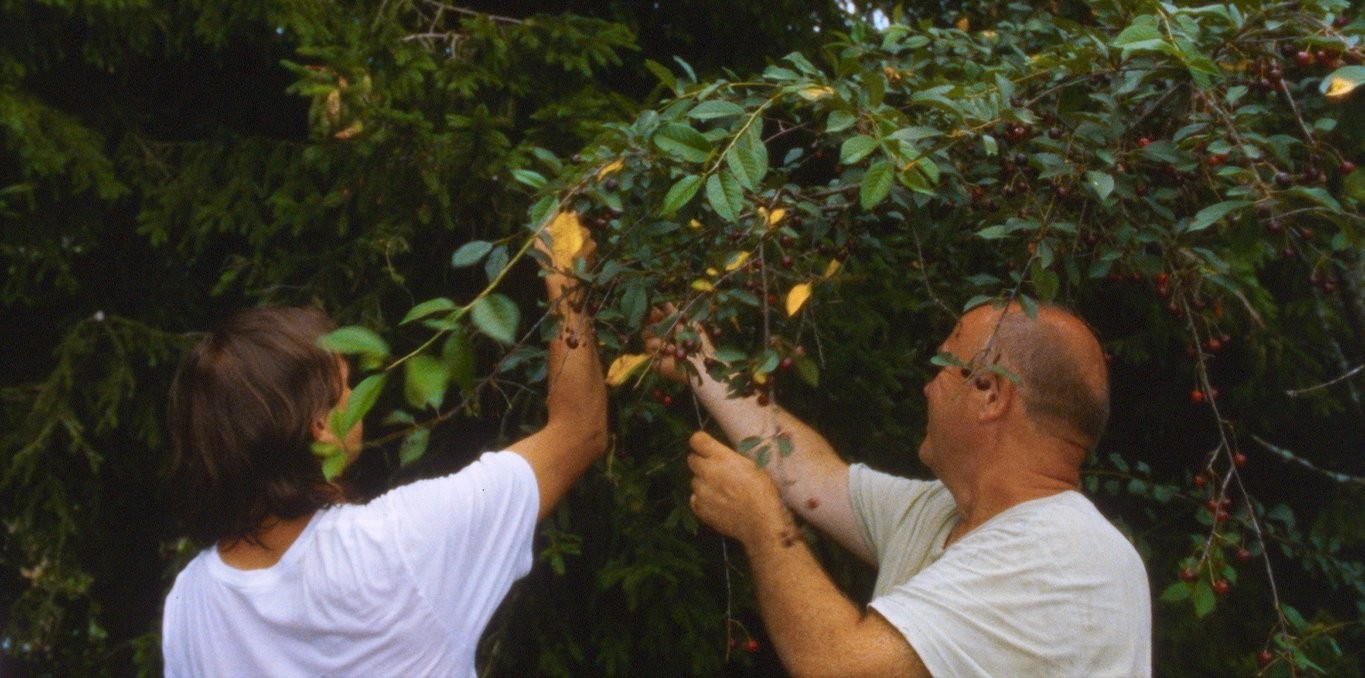
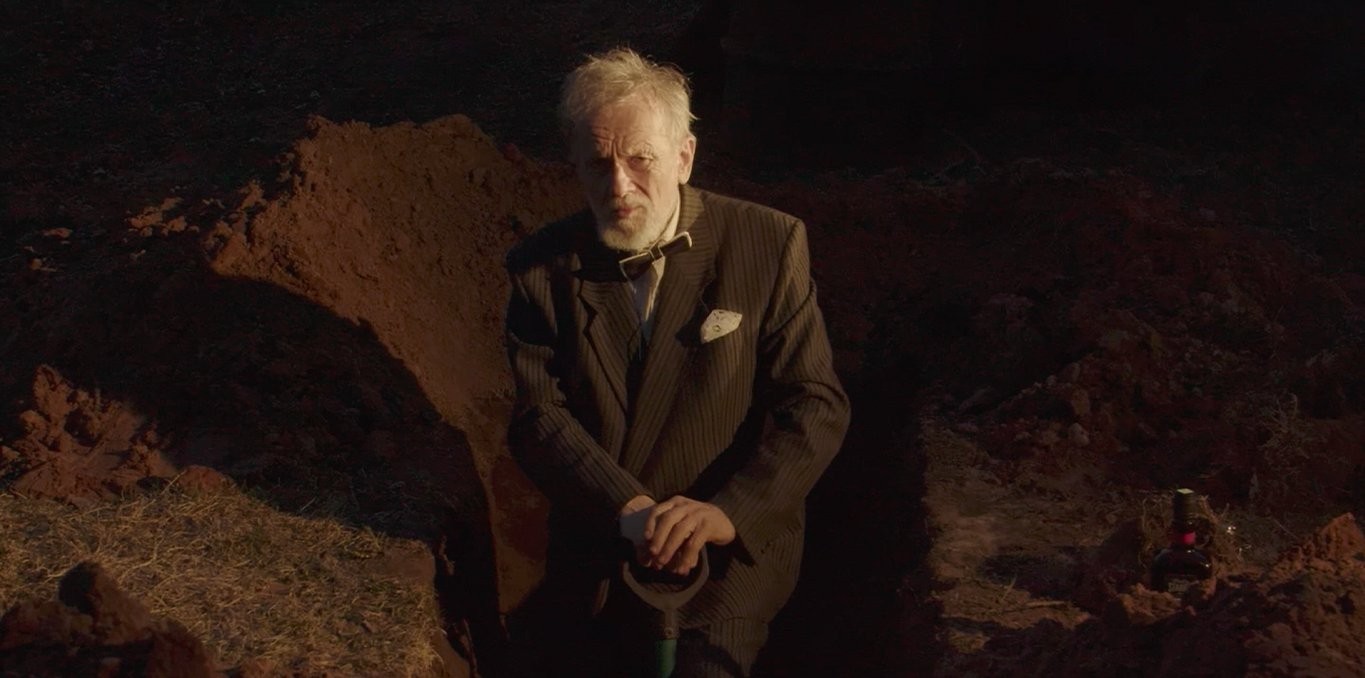
_The Observer_ offers a reflective exploration of photographer Juris Kalniņš’s work and life, spanning both the soviet era and the present day. The film seeks to uncover the points of intersection between these two distinct political regimes, providing a nuanced biographical and artistic insight into Kalniņš’s worldview and creative evolution. Through a blend of observational footage and st...
Purga
Duration: 26 minutes
Subscription access
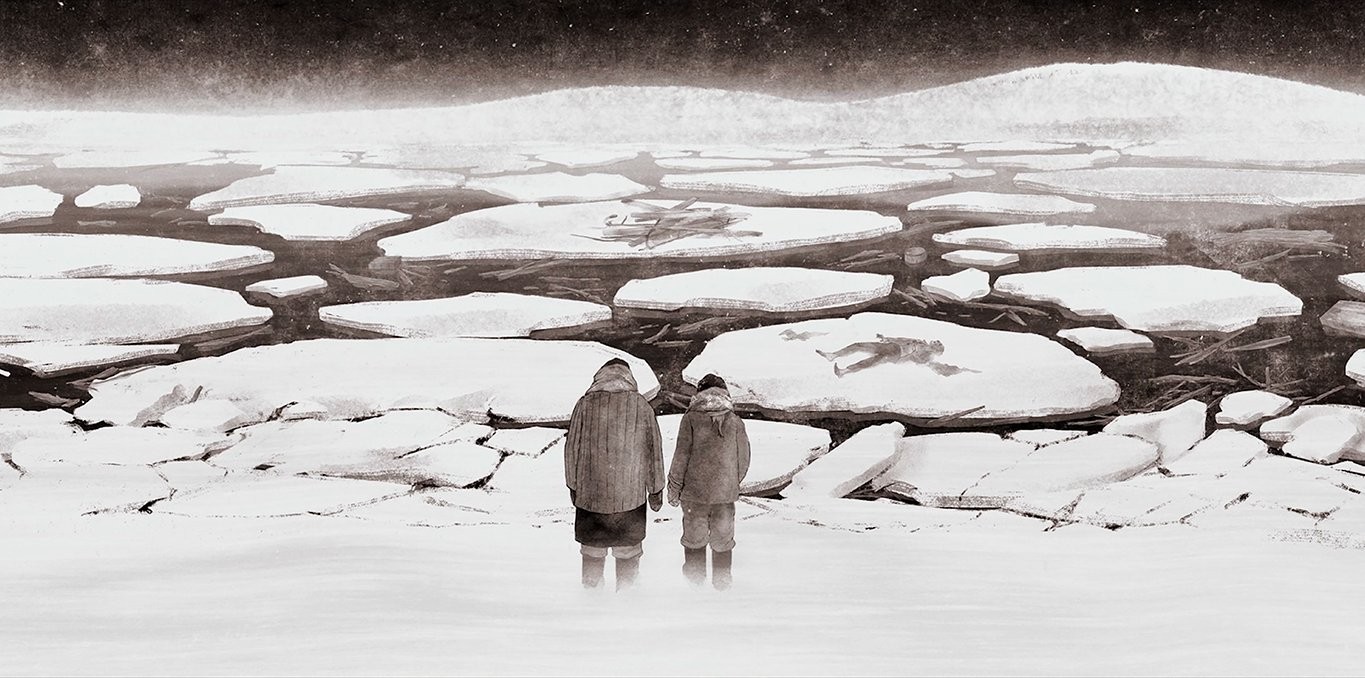
Winter 1942. Beyond the Arctic Circle, on the uninhabited island of Trofimovsk in the Laptev Sea, exiled peoples struggle to survive. This is the place chosen by Soviet authorities to deport vast numbers of inhabitants from the occupied Baltic countries, Finland, Ukraine, and elsewhere. In this harsh, alien landscape, humans are mere specks. Against the backdrop of such majestic isolation, many...
81 meters
Duration: 28 minutes
Subscription access
Spring 2021. A cinephile invites you on an intimate journey through the last surviving cinema houses in Latvia. This documentary essay, shot on Super 8, opens the locked doors of these theaters during what may be the most difficult period in the history of physical cinema spaces. They are closed to the public, but at times we can feel that they are still alive.
The Observer
Duration: 18 minutes
Subscription access
_The Observer_ offers a reflective exploration of photographer Juris Kalniņš’s work and life, spanning both the soviet era and the present day. The film seeks to uncover the points of intersection between these two distinct political regimes, providing a nuanced biographical and artistic insight into Kalniņš’s worldview and creative evolution. Through a blend of observational footage and st...
Purga
Duration: 26 minutes
Subscription access
Winter 1942. Beyond the Arctic Circle, on the uninhabited island of Trofimovsk in the Laptev Sea, exiled peoples struggle to survive. This is the place chosen by Soviet authorities to deport vast numbers of inhabitants from the occupied Baltic countries, Finland, Ukraine, and elsewhere. In this harsh, alien landscape, humans are mere specks. Against the backdrop of such majestic isolation, many...