Ziva Postec. The Editor Behind The Film Shoah
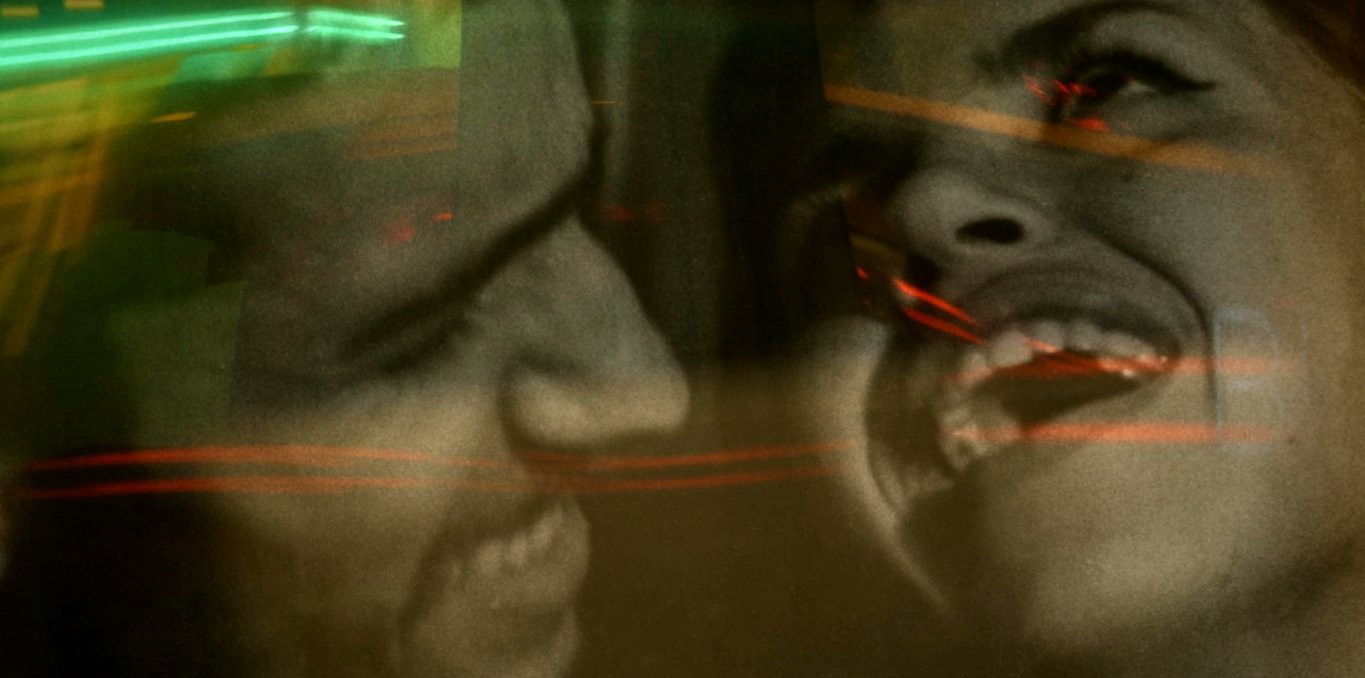
Associated with a film that profoundly changed our relationship with history, Ziva Postec is a little-known artist who devoted nearly six years of her life to editing “Shoah.” Claude Lanzmann's epic film would forever transform our understanding of the history of the extermination of European Jews during World War II. Delving into her personal memories, this unsung lace-maker, a “survivor” in her own way, opens up for the first time in a story featuring previously unseen footage from the filming. Obsessively involved in an extraordinary creative endeavor, Ziva Postec reveals herself on camera to be a true everyday heroine. Her strength of commitment and her radiance contrast with the darkest days of humanity.
| Director | Catherine Hébert |
| Actor | Rémy Besson |
| Share on |
Ziva Postec has long been a forgotten figure. An editor behind “Shoah” (1985), we can imagine that she existed, without knowing exactly what she did. Indeed, this monumental 9.5-hour film, based on interviews about the genocide of the Jews, is almost exclusively associated with its director, Claude Lanzmann. The restoration of the film archives at the United States Holocaust Memorial Museum offers another perspective. We discover the rushes and consider the six years (1979-85) it took to edit Shoah. But the great richness of Catherine Hébert's documentary lies in the fact that it does not limit itself to this historical dimension and gives a voice back to this forgotten figure. This documentary is also based on the meeting of two women. With great finesse, the director has constructed a series of echoes between the editor's work and her biographical trajectory since the immediate post-war period. This documentary also owes much to the work of its editor, Annie Jean. A figure whose importance we must not forget to highlight here!
Rémy Besson
Historian, postdoctoral researcher at the University of Montreal and historical advisor for the film
- Année 2018
- Pays Quebec
- Durée 90
- Producteur Les Films Camera Oscura
- Langue French, English, German, Hebrew, Czech, Polish
- Sous-titres French, English
- Résumé court She devoted nearly six years of her life to editing “Shoah,” the epic film by director Claude Lanzmann. Her name: Ziva Postec.
- Date édito CA 2025-09-15
Ziva Postec has long been a forgotten figure. An editor behind “Shoah” (1985), we can imagine that she existed, without knowing exactly what she did. Indeed, this monumental 9.5-hour film, based on interviews about the genocide of the Jews, is almost exclusively associated with its director, Claude Lanzmann. The restoration of the film archives at the United States Holocaust Memorial Museum offers another perspective. We discover the rushes and consider the six years (1979-85) it took to edit Shoah. But the great richness of Catherine Hébert's documentary lies in the fact that it does not limit itself to this historical dimension and gives a voice back to this forgotten figure. This documentary is also based on the meeting of two women. With great finesse, the director has constructed a series of echoes between the editor's work and her biographical trajectory since the immediate post-war period. This documentary also owes much to the work of its editor, Annie Jean. A figure whose importance we must not forget to highlight here!
Rémy Besson
Historian, postdoctoral researcher at the University of Montreal and historical advisor for the film
- Année 2018
- Pays Quebec
- Durée 90
- Producteur Les Films Camera Oscura
- Langue French, English, German, Hebrew, Czech, Polish
- Sous-titres French, English
- Résumé court She devoted nearly six years of her life to editing “Shoah,” the epic film by director Claude Lanzmann. Her name: Ziva Postec.
- Date édito CA 2025-09-15