Jean Painlevé

Jean Painlevé (1902–1989) was a French filmmaker and biologist. An anarchist by conviction, he first studied zoology and biology at the Sorbonne. Passionate about both science and art, he felt close to the Surrealist movement. He quickly became interested in cinema and innovative techniques that allowed him to film often tiny subjects. Between 1925 and 1986, he made over 200 films, mostly devoted to marine life. Painlevé brought a poetic dimension to a genre typically overlooked by cinephiles and achieved his greatest public success with The Seahorse in 1934. When the war broke out, he suspended all filmmaking to join the French Resistance. His next film, The Vampire (1945), is an allegory of Nazism presented through a zoological study of a South American bat. The soundtracks—ranging from jazz to musique concrète—and the commentary (sometimes written in alexandrine verse) contribute to the lyricism of his work. To produce and distribute his films, Jean Painlevé managed and directed Les Documents Cinématographiques and the Institute of Scientific Cinematography.
Related to this realisator
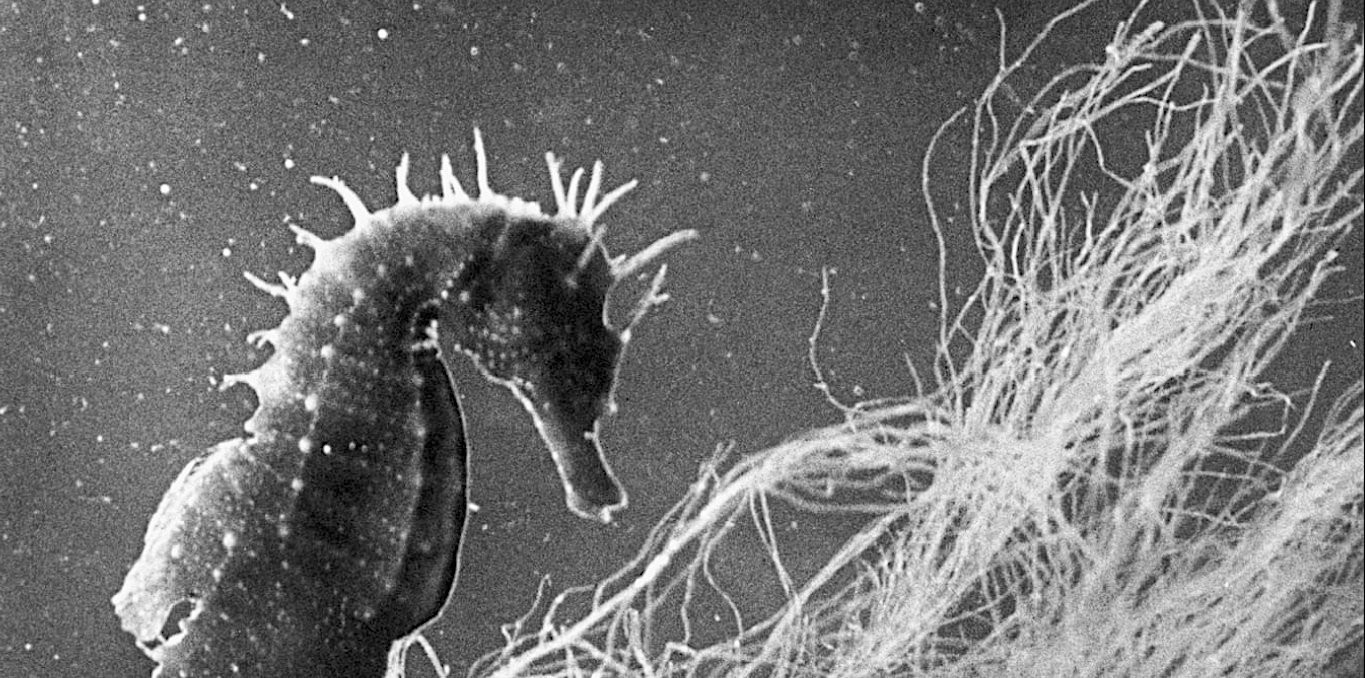
The Sea Horse
The seahorse is the only fish that moves vertically. It is also one of the few animals in which the male nourishes the eggs deposited by the female in his brood pouch and actually gives birth to the young. To film at the bottom of the Garonne estuary, the first mobile underwater camera was improvised. This film, accompanied by music from Darius Milhaud, shows with precision and humor the life o...
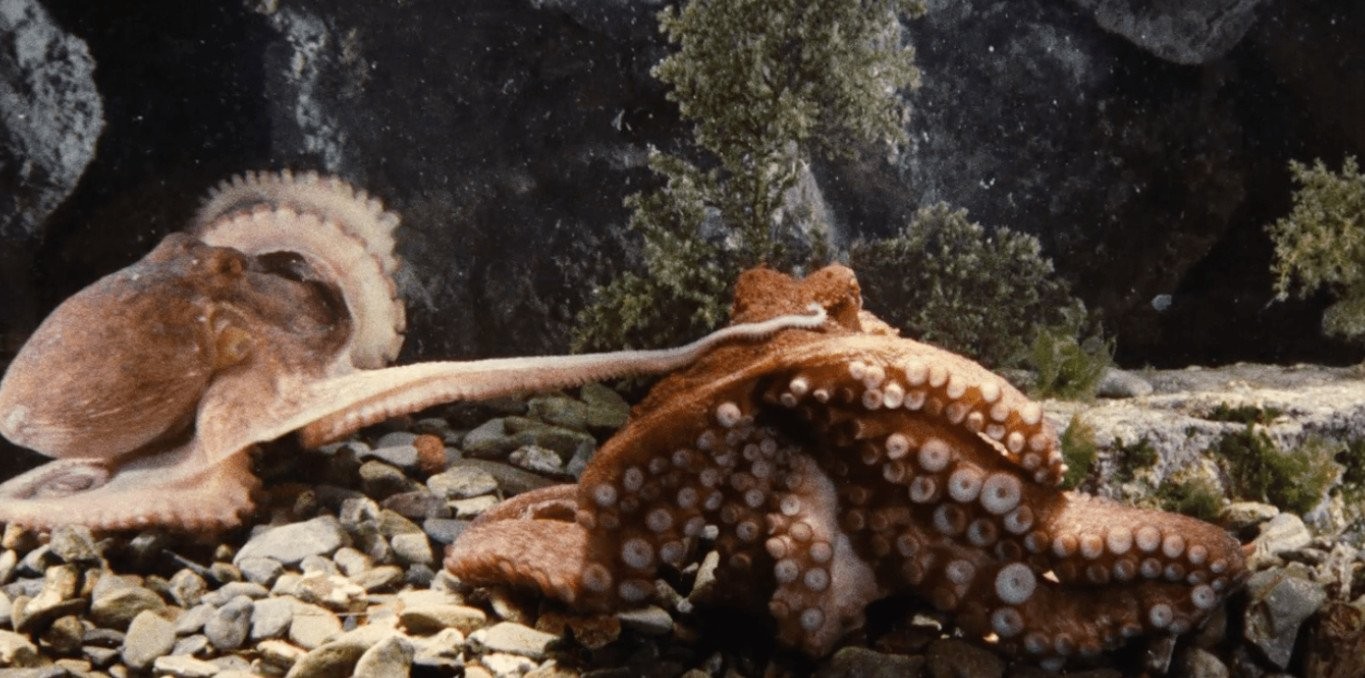
The Love Life of an Octopus
The fluid grace of an eight-armed embrace, the velvety gaze of an inscrutable eye… Painlevé creates a fascinating portrait of the octopus, a mysterious underwater creature, set to a soundtrack composed by Pierre Henry, one of the pioneers of electroacoustic music.
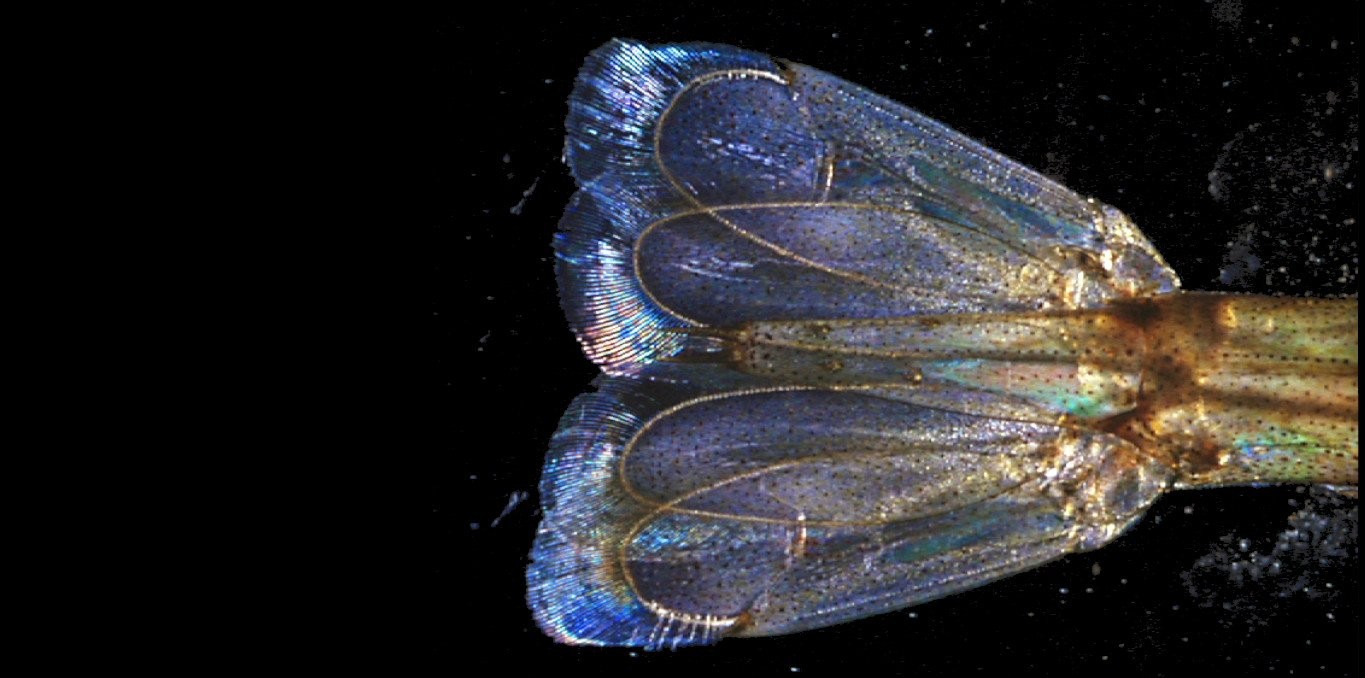
Shrimp Stories
_Shrimp Stories_ is a short documentary that closely examines the daily life of shrimp. Combining a scientific approach with a touch of humor, the film explores their feeding, digestion, grooming, molting, and reproduction, notably showing how females carry their eggs on their legs and the spectacular hatching of the larvae. It reveals, with wonder, the fragility and surprising complexity of th...
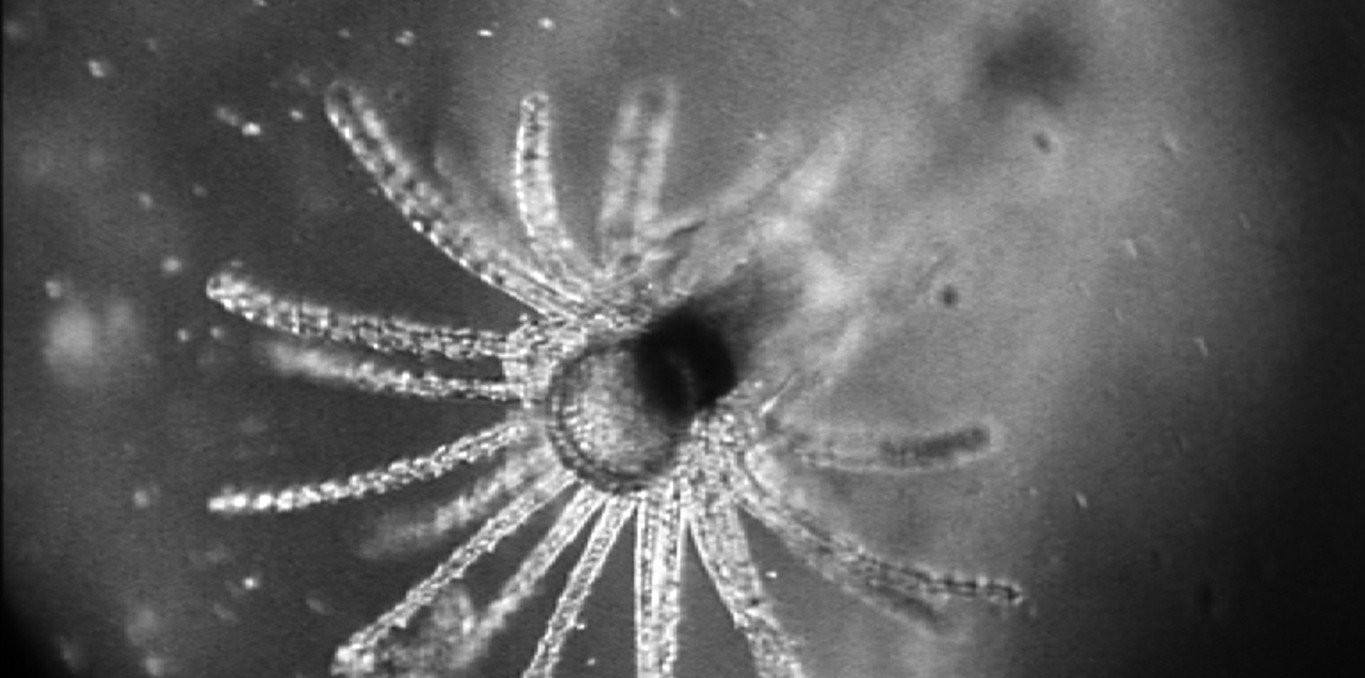
How Some Jellyfish Are Born
Filmed at the Marine Biology Station in Roscoff, on the northern coast of Bretagne, _How Some Jellyfish Are Born_ explores the formation of polyps, as well as the feeding and reproduction of four species of jellyfish. The transparency of their bodies reveals many details of their anatomy, while still holding other mysteries that the film invites us to discover…
The Sea Horse
The seahorse is the only fish that moves vertically. It is also one of the few animals in which the male nourishes the eggs deposited by the female in his brood pouch and actually gives birth to the young. To film at the bottom of the Garonne estuary, the first mobile underwater camera was improvised. This film, accompanied by music from Darius Milhaud, shows with precision and humor the life o...
The Love Life of an Octopus
The fluid grace of an eight-armed embrace, the velvety gaze of an inscrutable eye… Painlevé creates a fascinating portrait of the octopus, a mysterious underwater creature, set to a soundtrack composed by Pierre Henry, one of the pioneers of electroacoustic music.
Shrimp Stories
_Shrimp Stories_ is a short documentary that closely examines the daily life of shrimp. Combining a scientific approach with a touch of humor, the film explores their feeding, digestion, grooming, molting, and reproduction, notably showing how females carry their eggs on their legs and the spectacular hatching of the larvae. It reveals, with wonder, the fragility and surprising complexity of th...
How Some Jellyfish Are Born
Filmed at the Marine Biology Station in Roscoff, on the northern coast of Bretagne, _How Some Jellyfish Are Born_ explores the formation of polyps, as well as the feeding and reproduction of four species of jellyfish. The transparency of their bodies reveals many details of their anatomy, while still holding other mysteries that the film invites us to discover…