Thomas Heise
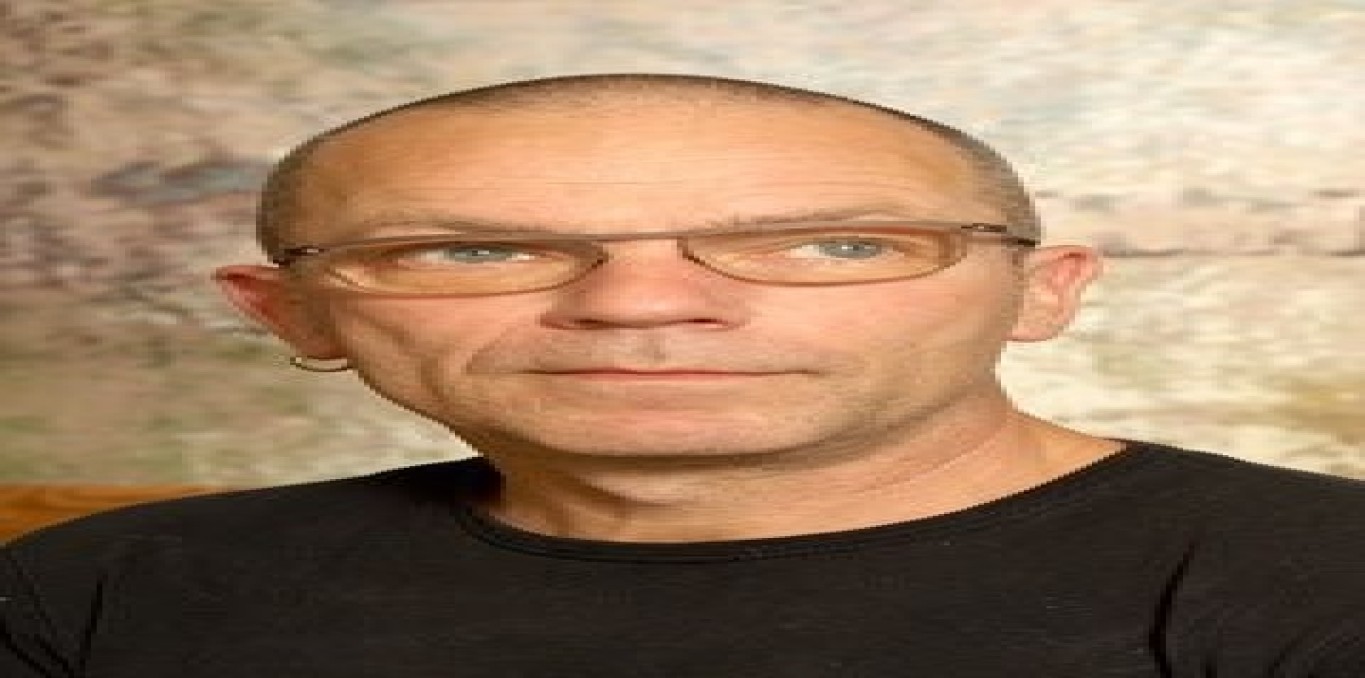
Thomas Heise (1955-2024) is one of the great figures of East German documentary film. After training as a printer, he turned to the theatre. Between 1975 and 1978, he worked at DEFA studios (GDR state studios). Following this experience, he studied film at the Konrad Wolf University in Potsdam Babelsberg. There, in 1981, he made his first short film Why make a film about these people?, that was banned from public screening and resulted in Heise being expelled from film school. Until the end of the GDR, all of his documentaries were blocked, destroyed or confiscated. He had to wait until the end of the regime before he could make his first feature-length documentary at the turn of the 1990s, Eisenzeit (The Iron Age), a co-production of the now dismantled DEFA monopoly with North German Television (NDR). In 2002, the États généraux du documentaire de Lussas devoted a retrospective to him, a first exposure of his work in France. In 2009, Material received the Grand Prix of the FID in Marseille. In 2019, he created a documentary film entitled Heimat ist ein Raum aus Zeit (Heimat is a Space in Time), that won the main award from Nyon's reputable festival Visions du Réel_._The filmmaker is also known in his native country for his career as a theatre director, one who favoured adaptations of Brecht and Heiner Müller.
Related to this realisator
Heimat as a Space in Time
Duration: 3h39
Subscription access
Thomas Heise worked on this film, in which he recalls his family history through the upheavals of 20th century Germany, for a long time. The film travels across the German landscape in order to capture its most intimate essence. In the context of a country that was once divided and then reunited, the narration of the filmmaker's family history is also a search for geographical and topographical...
Heimat as a Space in Time
Duration: 3h39
Subscription access
Thomas Heise worked on this film, in which he recalls his family history through the upheavals of 20th century Germany, for a long time. The film travels across the German landscape in order to capture its most intimate essence. In the context of a country that was once divided and then reunited, the narration of the filmmaker's family history is also a search for geographical and topographical...