What We Didn’t Burn: Memories of the Colonial Archive

Colonialism is inherently paradoxical: it simultaneously makes bodies visible and erases them. The colonial archive that preserves its memory, for example, identifies Indigenous figures, yet these representations erase the real people behind them. The result is a particularly insidious form of forgetting—one that is all the more difficult to recognize. And forgetting itself is a cunning creature, impossible to defeat on its own terrain.
To name colonialism is also to negotiate our relationship to destruction and its traces. But it is just as perilous as tracking down oblivion. We want to confront violence by showing it as it is, without concealing its darkest dimensions. Yet in doing so, we risk remaining in its service, directing our attention primarily toward its effects. This is a persistent tension for cultural works that grapple, directly or indirectly, with the legacies and consequences of colonial domination. They seek a delicate balance between representing erasure and making visible the voices and bodies that carry memory.

The selected films resonate with the essays in our dossier, Enquêtes dans l’archive coloniale (Investigations in the Colonial Archive), published in the journal Spirale, in which we examine erasure, forgetting, and absence as catalysts for critical thought. Through this program, we turn toward rebellious and self-determined traditions of remembrance. Mirroring the transcultural journey traced by the issue, we sought to navigate across distinct cultural contexts, each shaped in different ways by the devastations of colonialism.
The films brought together in this program share a common intuition: the colonial archive is neither a fixed nor a stable object. It is a contested terrain where the terms of memory continue to be negotiated. In their own distinct ways, Rodrigo Reyes, JL Whitecrow, Abdallah Al-Khatib, and Katia Kameli engage with the materials that constitute the colonial archive. Rather than simply excavating its remnants, they bend and rework them, inviting us to imagine new ways of inhabiting the archive. Their investigations are concerned less with the archive itself than with what it has never been able to fully contain or absorb. The paths traced by postcolonial and decolonial forms of resistance—both those inherited from the past and those yet to be imagined—allow these filmmakers to empty the colonial archive of its original authority, revealing the multiple perspectives its documents sought to conceal.
In doing so, these films map an unexpected geography. From Mexico to Canada, by way of Palestine and Algeria, they traverse distinct political and cultural contexts, each nonetheless shaped by similar dynamics of erasure and resurgence.
Together, these four works remind us that the gaps in the archive are not absences to be filled, but inhabited spaces—breaches where other forms of knowledge have learned to endure, flourish, and reinvent themselves.
Renato Rodriguez-Lefebvre
Author and Ph.D. in Comparative Literature
Miriam Sbih
Author and Ph.D. candidate in comparative literature
4 products

The First Indigenous Female Pornographer
The First Indigenous Female Pornographer
Duration: 13 minutes_The First Indigenous Female Pornographer_ centers on Audrey Little-breast, a native woman whose life and work defies categorization. During a candid interview, she unravels the mysterious settler desire and sexual appetite for “imaginary Indians” that guided her pornographic work in the 1970s and contemplates its impact on Indigenous sexuality. This mockumentary blends and bends archival foota...
Little Palestine: Diary of a Siege
Little Palestine: Diary of a Siege
Duration: 2h58Subscription access
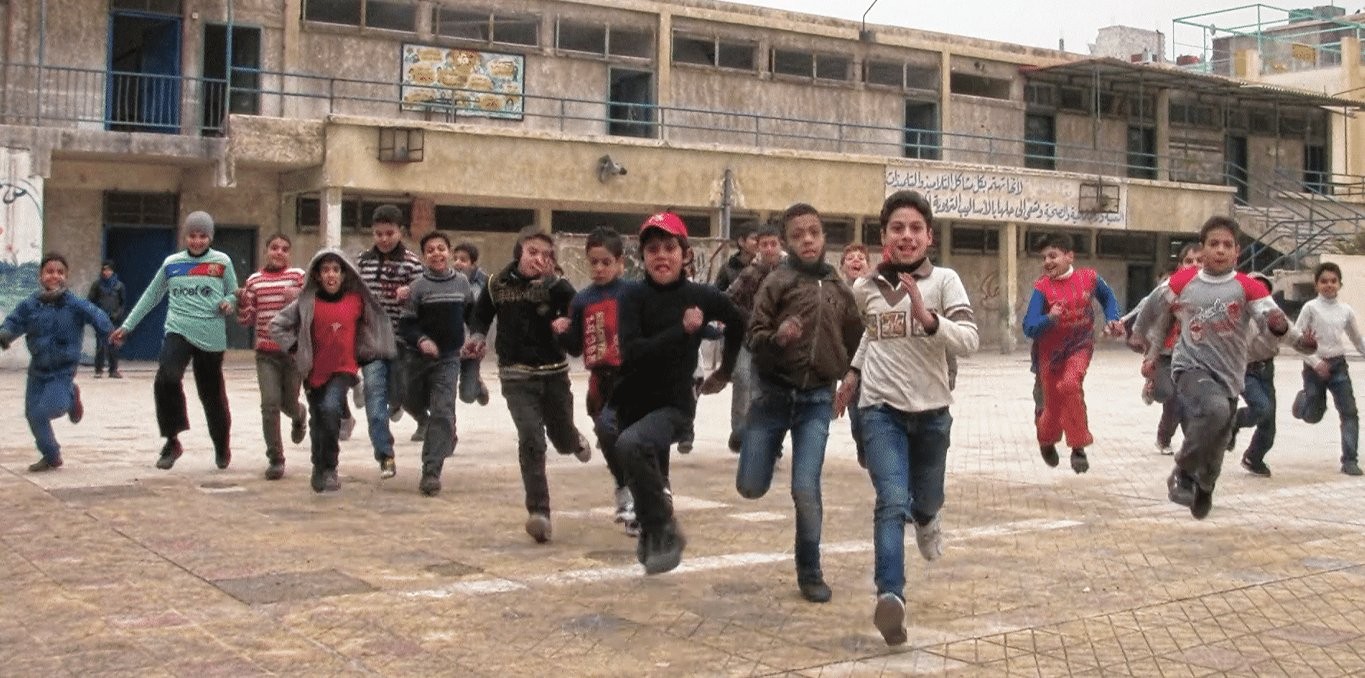
In the wake of the Syrian revolution, Bashar al-Assad’s regime laid siege to the Yarmouk neighborhood in Damascus, the world’s largest Palestinian refugee camp. Yarmouk found itself isolated, and the filmmaker documents the daily hardships while paying tribute to the courage of the children and residents of the neighborhood.
The Algerian Novel
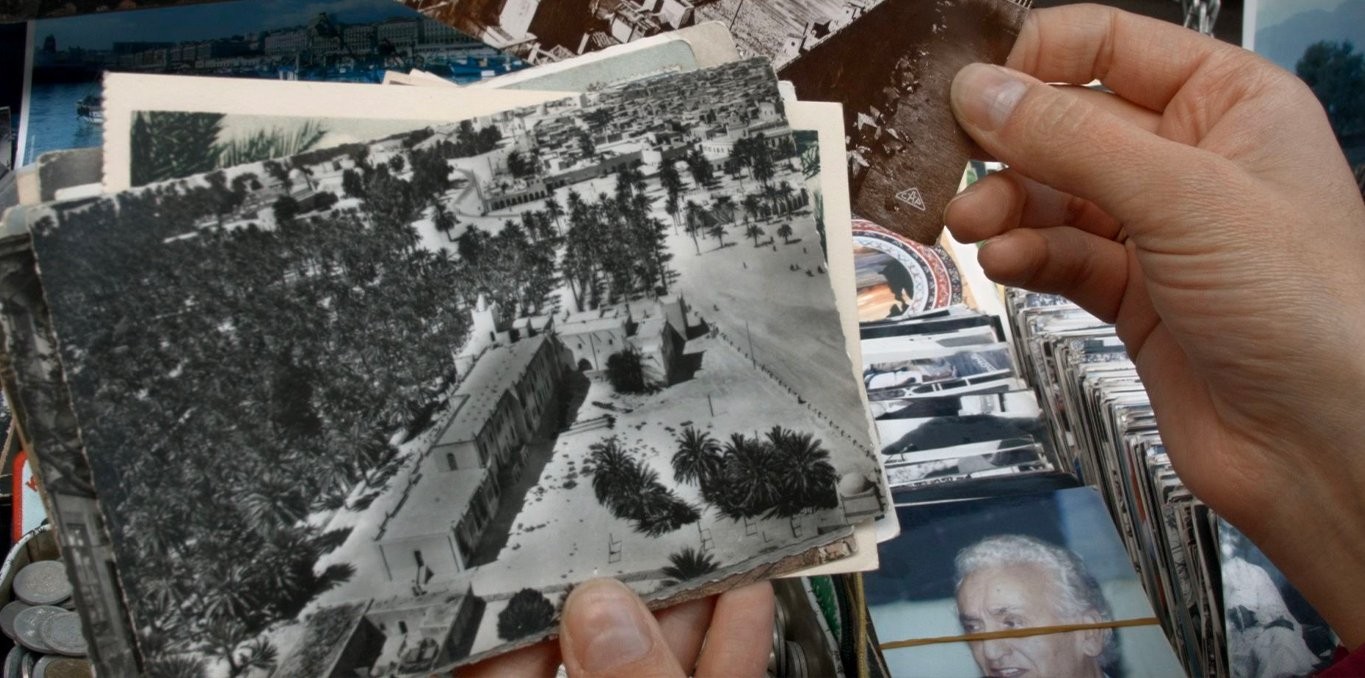
_The Algerian Novel_ is a film devised in three chapters that offers a sensitive explanation of a nation’s complex relations with its history and the role of images in the construction of its national novel and archetypes.
499
Subscription access
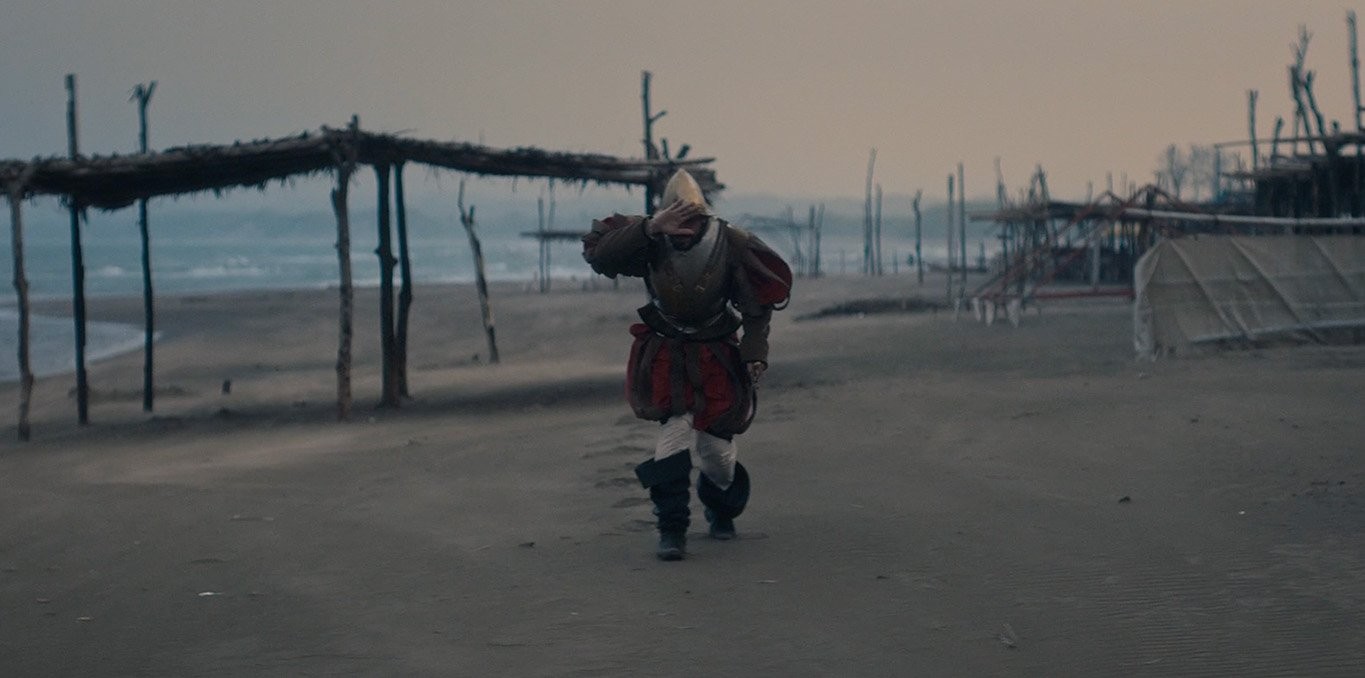
To reflect on the 500-year anniversary of the Spanish conquest of Mexico in 2021, director Reyes offers a bold hybrid cinema experience exploring the brutal legacy of colonialism in contemporary Mexico. Through the eyes of a ghostly conquistador, the film recreates Hérnan Cortés' epic journey from the coasts of Veracruz to the Aztec capital of Tenochtitlan, the site of contemporary Mexico City....
The First Indigenous Female Pornographer
The First Indigenous Female Pornographer
Duration: 13 minutes_The First Indigenous Female Pornographer_ centers on Audrey Little-breast, a native woman whose life and work defies categorization. During a candid interview, she unravels the mysterious settler desire and sexual appetite for “imaginary Indians” that guided her pornographic work in the 1970s and contemplates its impact on Indigenous sexuality. This mockumentary blends and bends archival foota...
Little Palestine: Diary of a Siege
Little Palestine: Diary of a Siege
Duration: 2h58Subscription access
In the wake of the Syrian revolution, Bashar al-Assad’s regime laid siege to the Yarmouk neighborhood in Damascus, the world’s largest Palestinian refugee camp. Yarmouk found itself isolated, and the filmmaker documents the daily hardships while paying tribute to the courage of the children and residents of the neighborhood.
The Algerian Novel
_The Algerian Novel_ is a film devised in three chapters that offers a sensitive explanation of a nation’s complex relations with its history and the role of images in the construction of its national novel and archetypes.
499
Subscription access
To reflect on the 500-year anniversary of the Spanish conquest of Mexico in 2021, director Reyes offers a bold hybrid cinema experience exploring the brutal legacy of colonialism in contemporary Mexico. Through the eyes of a ghostly conquistador, the film recreates Hérnan Cortés' epic journey from the coasts of Veracruz to the Aztec capital of Tenochtitlan, the site of contemporary Mexico City....