Decolonizing The Archives

Films that critically examine, recontextualize, or challenge colonial archives.
17 products
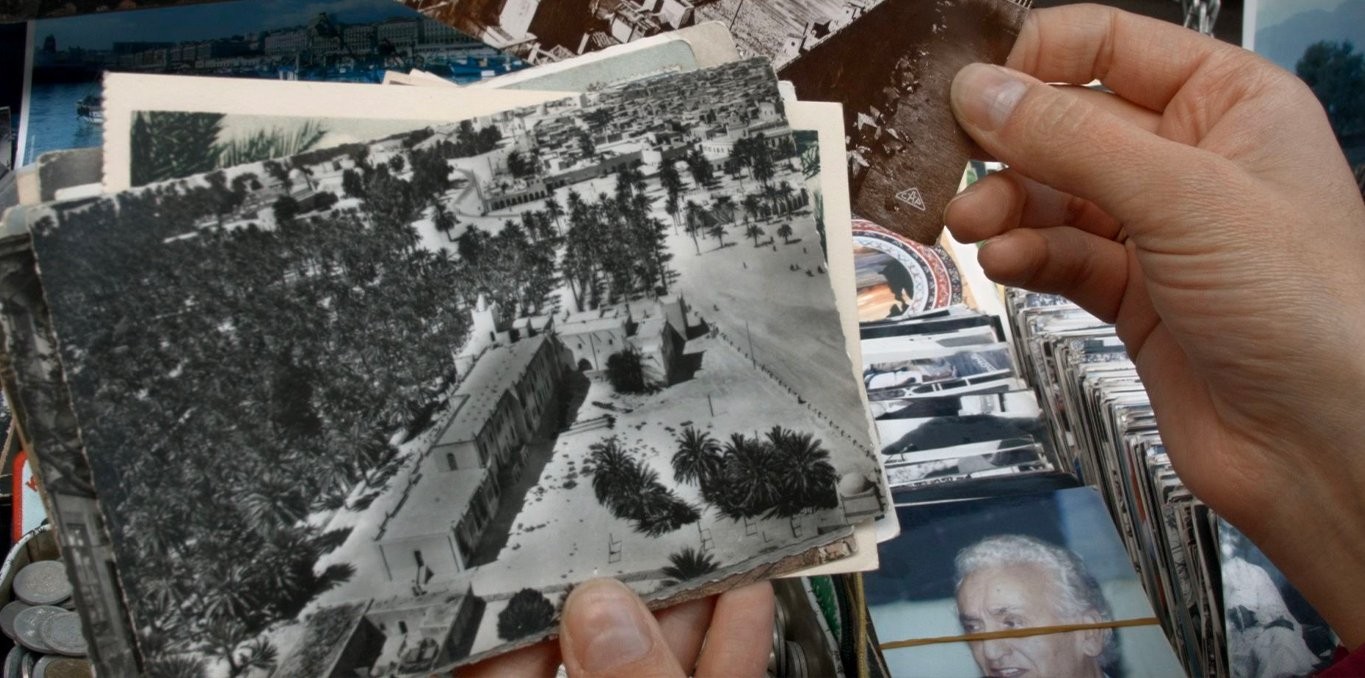
The Algerian Novel
_The Algerian Novel_ is a film devised in three chapters that offers a sensitive explanation of a nation’s complex relations with its history and the role of images in the construction of its national novel and archetypes.
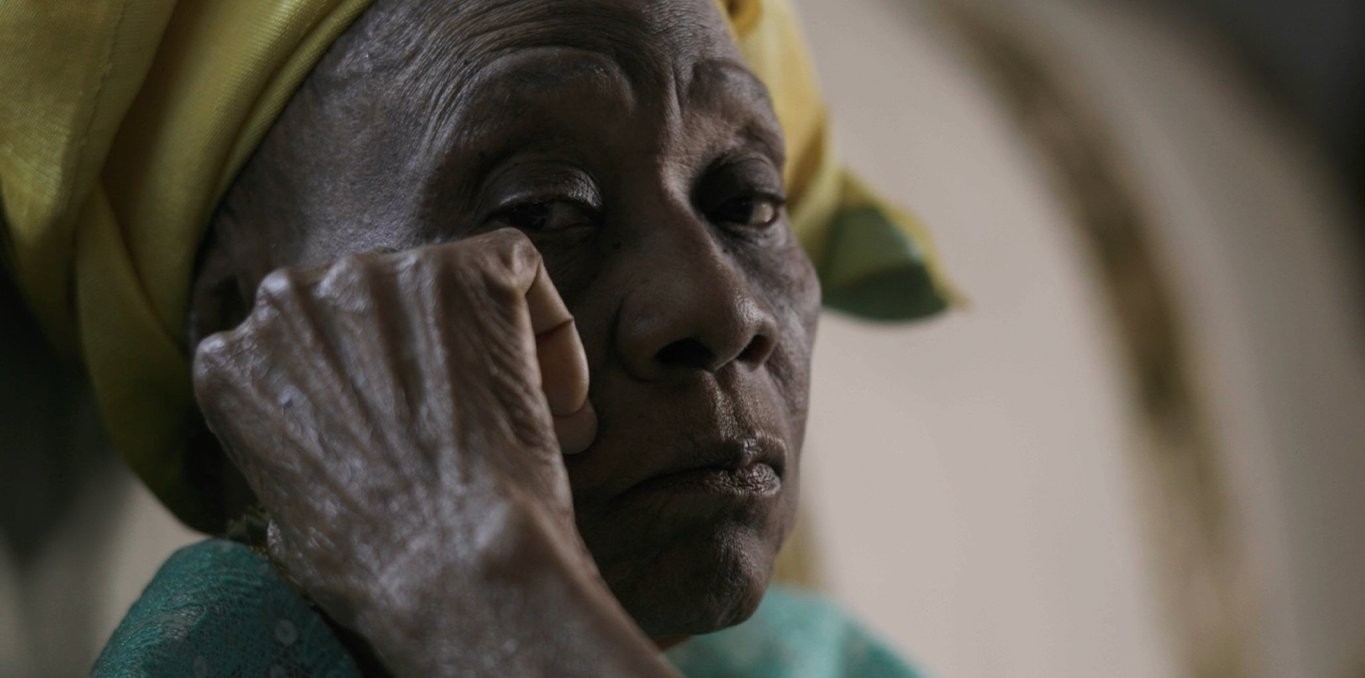
record found here
Ten years ago, lanaire aderemi’s grandmother told her about the Egba Women’s Revolt, a resistance movement against colonial taxation in the late 1940s in Abeokuta, Nigeria. Inspired by this story, lanaire explores archival documents, historical sites and oral testimonies to document the imaginative and revolutionary spirit of Abeokuta women in the 1940s.
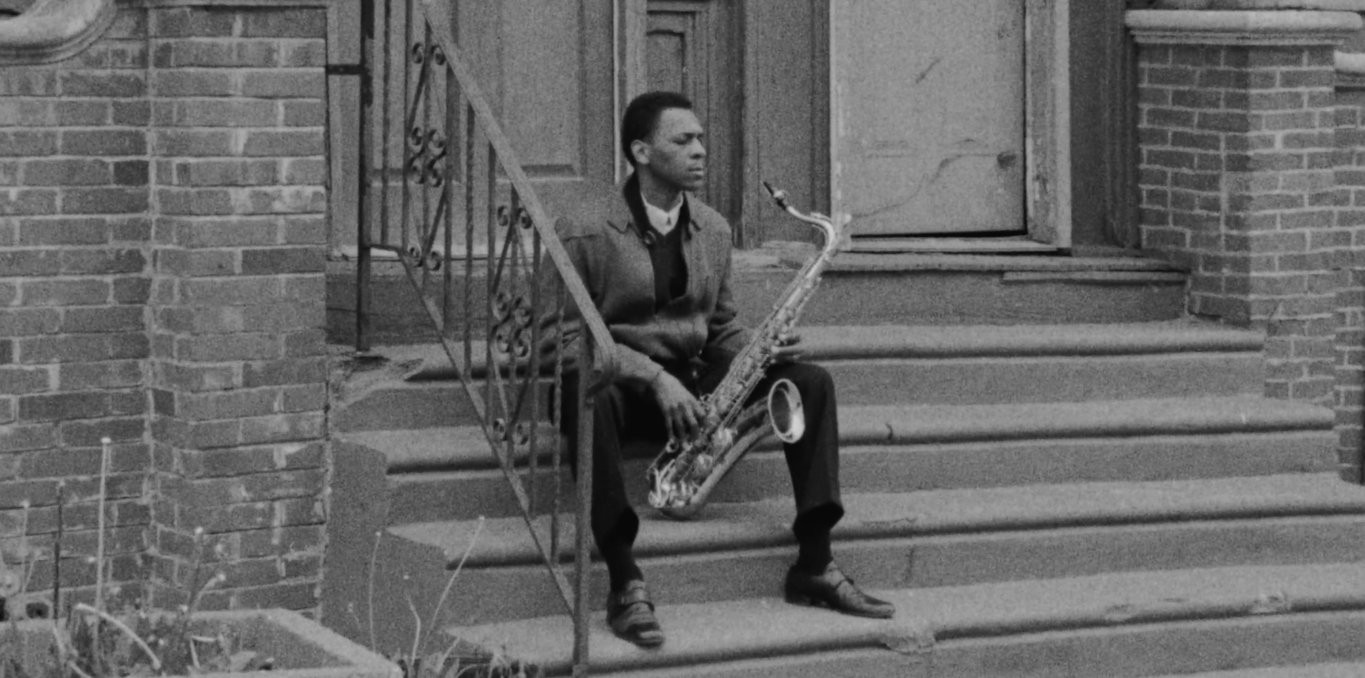
Speakn' Trane
_Speakn’ Trane_ is a visual conversation that considers one of the great masterpieces of music through the eyes of its creator. Mirroring the dialogue at its core, it mixes 16mm film and digital images, performance and nature footage to illustrate the revolutionary themes and ideas that would combine to craft the album _A Love Supreme_: the generative practice of meditation, the creative potent...
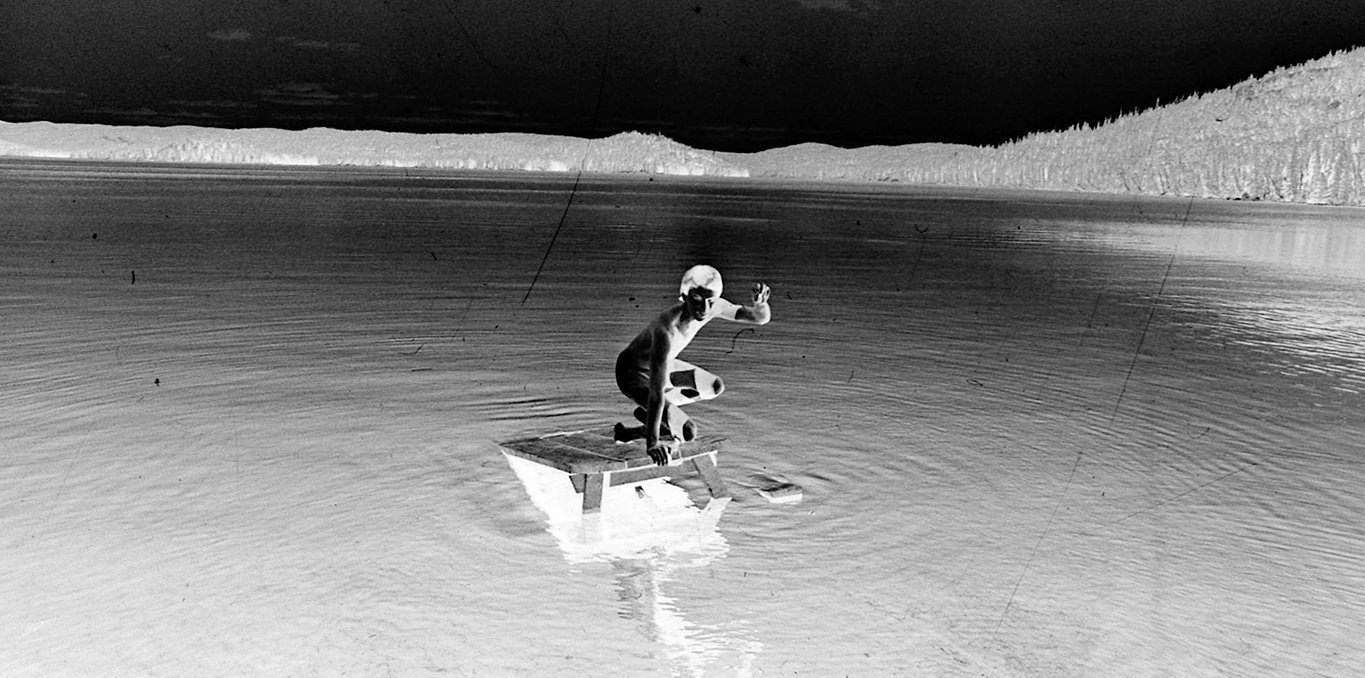
Before the Deluge
Within the ancient Precambrian rock of Northern Canada sits one of the largest reserves of uranium on the planet. A power that has yielded the largest destructive energy known to man, also manifest in the region's harsh natural glory. A gothic travelogue that summons dialogue with ghosts of the region; abandoned mining towns swallowed within the pandemonium of extraction commerce and neglect, w...
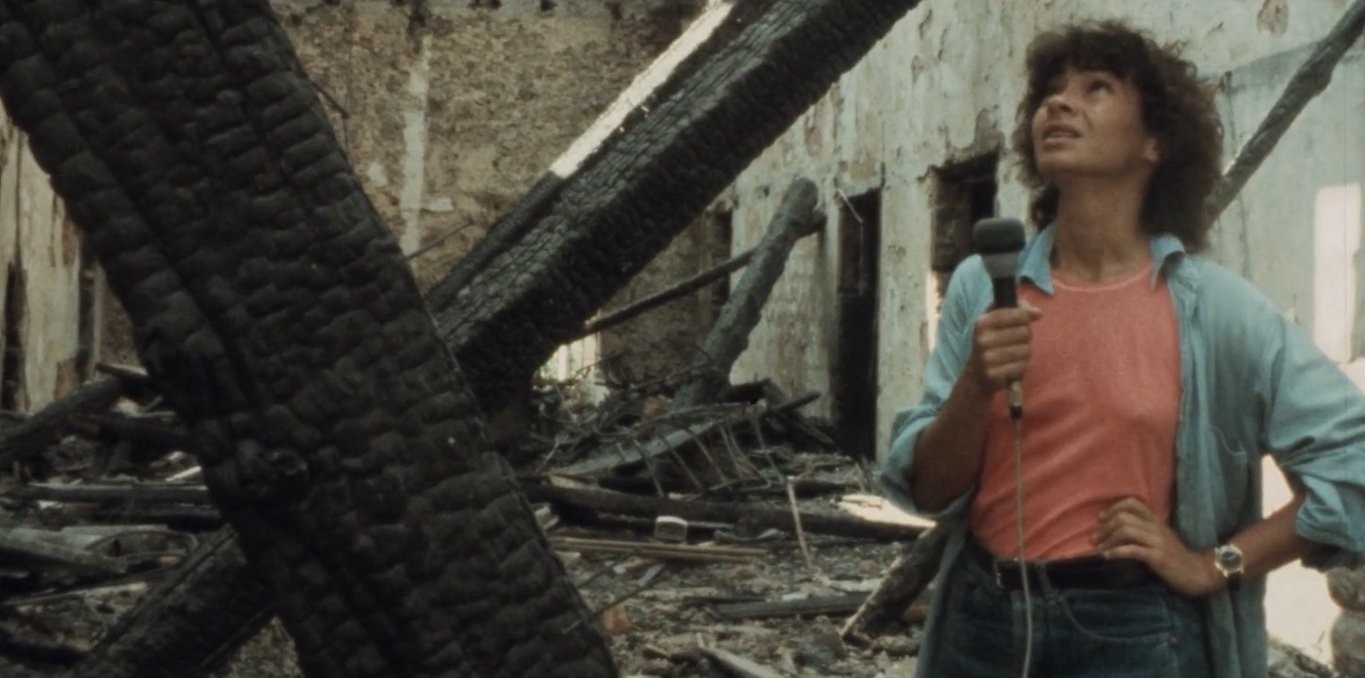
Beirut, My City
In 1982, Jocelyne Saab's 150-year-old family home burns down. In tandem with the Lebanese playwright Roger Assaf, she decided to travel through her city, which was under siege by the Israelis, and to report on the situation in Beirut, the departure of the Palestinians and the incomprehension of the civilians who were suffering from the war.
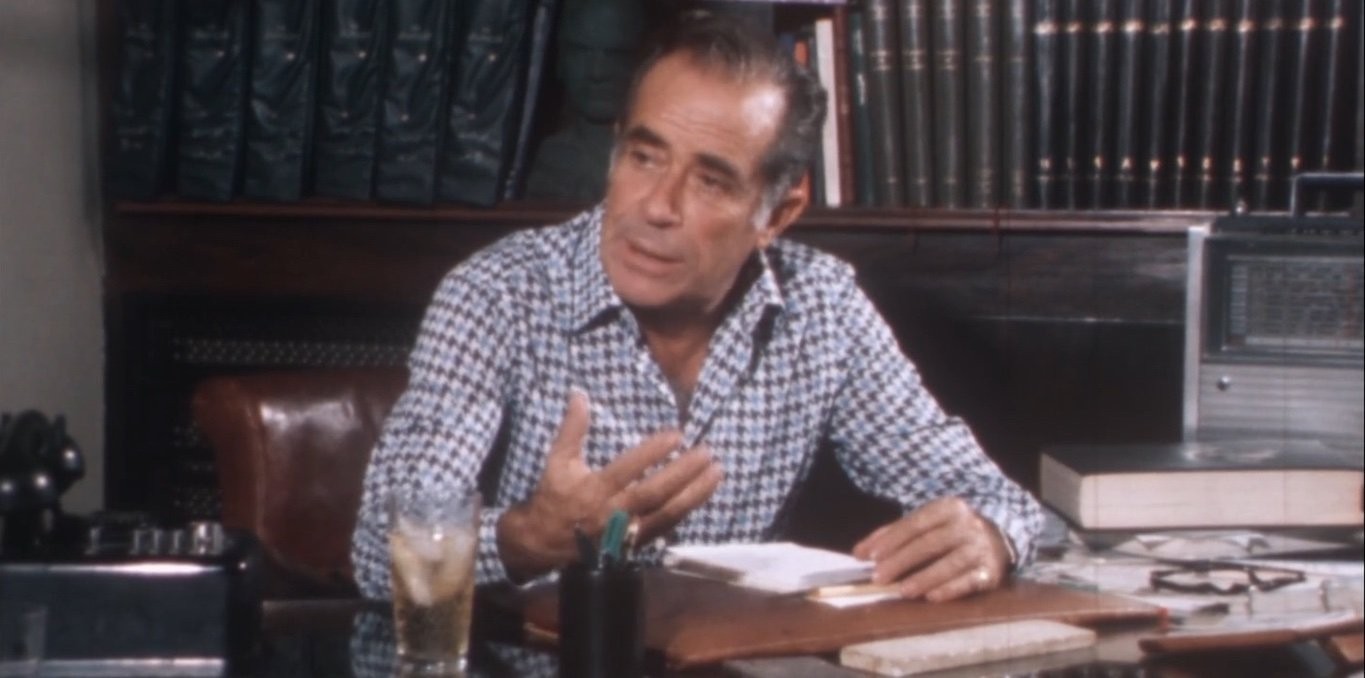
For a Few Lives
Portrait of Raymond Eddé, a candidate in the Lebanese presidential elections and a staunch opponent of the sectarian war. During the 1975–1976 conflicts, he and his team actively searched for those who had gone missing in the war, whether Christian, Druze, or Muslim.
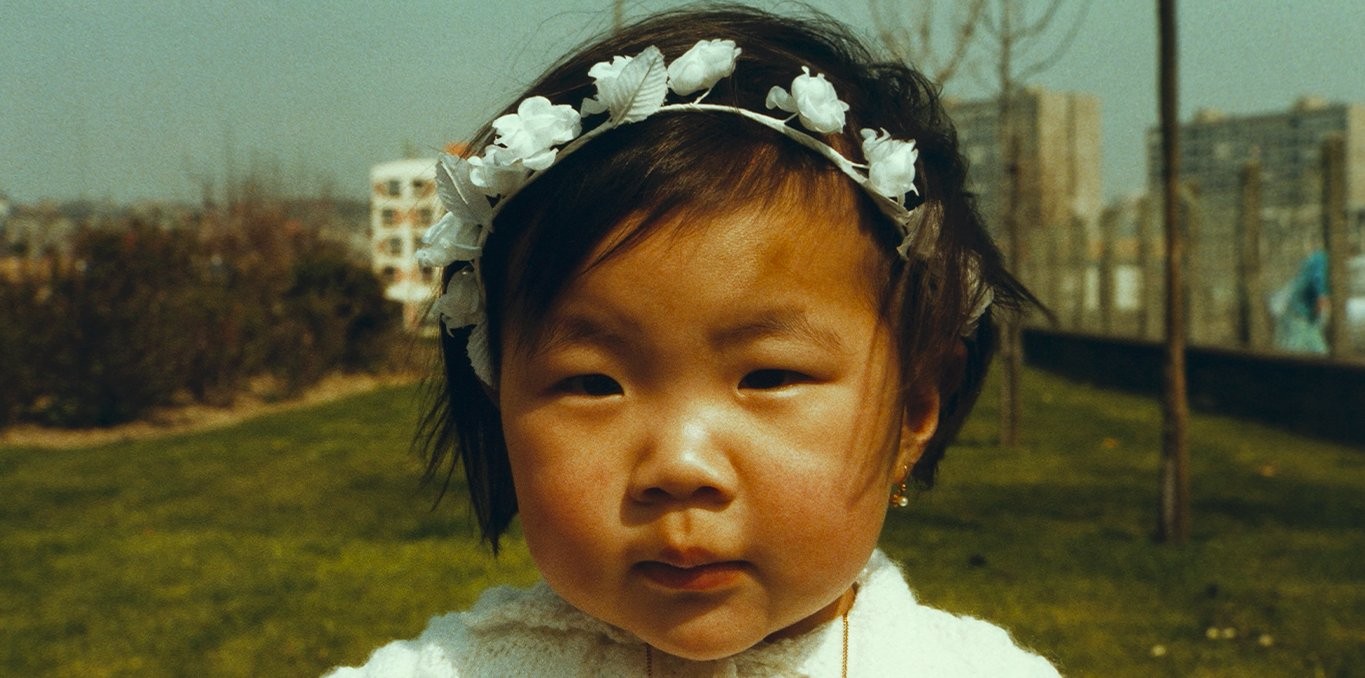
A Story of One's Own
Their names are Anne-Charlotte, Joohee, Céline, Niyongira and Mathieu. They are 25- to 52-year-old, hailing from Brazil, Sri Lanka, Rwanda, South Korea, or Australia. These five individuals have something in common: they are adopted. Separated from their family and country from childhood, they grew up in French families. Their life stories and home movies tell an intimate, political story about...

Paris to Pyongyang
An immigrant tale, reimagined. 1950s Parisian elites led by Chris Marker and Claude Lanzmann visit the newly established communist state of North Korea that claims the allegiance of the filmmaker’s grandmother during the Korean War. An autobiographical investigation of family separation, sparked by the voyage of French luminaries and their artistic output – films, photographs and published memo...

Grandmamauntsistercat
Zuza Banasińska reinvents the famous Slavic witch Baba Yaga through a clever montage of films from Łódź’s Educational Film Studio, containing sexist content. Questioning their own non-binary identity through an unsettling voice-over that tells the story of a matriarchal family, they unleash the queer dimension of images tasked with conveying a normative conception of identity.

The Porters
Young people from Brussels consult a list of nearly 8,000 objects collected during an expedition to the Congo between 1911 and 1913. These witnesses to colonial history open a dialogue on realities once told, now shown and interpreted. A journey back in time.

Sarah Maldoror ou la nostalgie de l'utopie
Sarah Maldoror ou la nostalgie de l'utopie
Duration: 52 minutesPortrait of the Guadeloupean filmmaker Sarah Maldoror and her political struggle for the freedom of African peoples. A committed filmmaker, she has always believed in the importance of cinema to depict political and social changes and struggles for independence. Having gained real-life experience during the bloody conflicts stemming from colonialism, she expresses herself through cinema, claimi...

Letter from Beirut
Three years after the start of the civil war, the director returns to her city for a few months. Straddling a country at war and one at peace, she finds it hard to readjust to life. By restarting a bus when public transport was no longer available, she was able to bring a new sense of normalcy to the war-torn city: people boarded the bus, seeing it as a safe space.

Echolocation
Distant and nearby voices merge to create a layered exploration of family memories: the rain in Oakland, my grandmother's home in Baghdad, my aunts' voices in What's App, my daughter learning to count to 10, my brother playing the darbuka, the cicadas in Texas, the walls of my studio, the search for new forms.
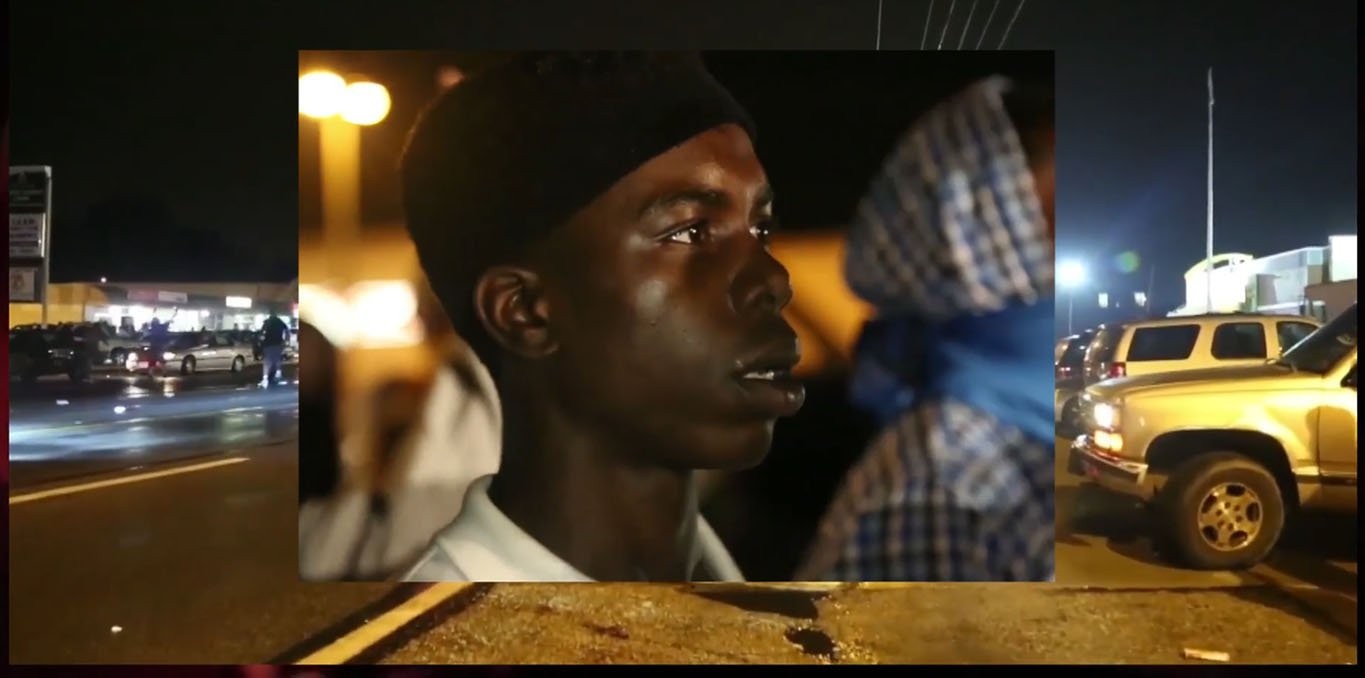
Black Code / Code Noir
After the respective murders of Michael Brown and Kajieme Powell by police officers in Missouri, USA, in 2014, Louis Henderson makes use of different sources of images and timescales to try and grasp the complex origins of these tragedies.

I Am Not Your Negro
À partir des textes de l'écrivain afro-américain James Baldwin (1924-1987), le cinéaste Raoul Peck revisite les années sanglantes de lutte pour les droits civiques, à travers notamment les assassinats de Martin Luther King Jr., Medgar Evers et Malcolm X. Un éblouissant réquisitoire sur la question raciale.

Sand and Blood
Les réseaux sociaux permettent aux réfugiés de suivre en temps réel les événements et les horreurs qui se produisent dans leurs pays d'origine. "Sand and Blood" est un film de montage fait à partir de vidéos d'amateurs tirées de diverses plateformes en ligne et narré par des réfugiés vivant actuellement en Autriche. Cette approche formelle offre une perspective nouvelle et intime sur l'histoire...

La Conférence des Femmes. Nairobi 85
La Conférence des Femmes. Nairobi 85
After Mexico City 1975 and Copenhagen 1980, the United Nations chose Kenya for the 3rd World Conference on Women. Parallel to the official Conference of States is held in July 1985 the Forum of Non-Governmental Organizations (NGO), in which 12,000 women participate. For ten days, on the University campus, they meet to discuss general and feminist political issues: peace, development, apartheid,...
The Algerian Novel
_The Algerian Novel_ is a film devised in three chapters that offers a sensitive explanation of a nation’s complex relations with its history and the role of images in the construction of its national novel and archetypes.
record found here
Ten years ago, lanaire aderemi’s grandmother told her about the Egba Women’s Revolt, a resistance movement against colonial taxation in the late 1940s in Abeokuta, Nigeria. Inspired by this story, lanaire explores archival documents, historical sites and oral testimonies to document the imaginative and revolutionary spirit of Abeokuta women in the 1940s.
Speakn' Trane
_Speakn’ Trane_ is a visual conversation that considers one of the great masterpieces of music through the eyes of its creator. Mirroring the dialogue at its core, it mixes 16mm film and digital images, performance and nature footage to illustrate the revolutionary themes and ideas that would combine to craft the album _A Love Supreme_: the generative practice of meditation, the creative potent...
Before the Deluge
Within the ancient Precambrian rock of Northern Canada sits one of the largest reserves of uranium on the planet. A power that has yielded the largest destructive energy known to man, also manifest in the region's harsh natural glory. A gothic travelogue that summons dialogue with ghosts of the region; abandoned mining towns swallowed within the pandemonium of extraction commerce and neglect, w...
Beirut, My City
In 1982, Jocelyne Saab's 150-year-old family home burns down. In tandem with the Lebanese playwright Roger Assaf, she decided to travel through her city, which was under siege by the Israelis, and to report on the situation in Beirut, the departure of the Palestinians and the incomprehension of the civilians who were suffering from the war.
For a Few Lives
Portrait of Raymond Eddé, a candidate in the Lebanese presidential elections and a staunch opponent of the sectarian war. During the 1975–1976 conflicts, he and his team actively searched for those who had gone missing in the war, whether Christian, Druze, or Muslim.
A Story of One's Own
Their names are Anne-Charlotte, Joohee, Céline, Niyongira and Mathieu. They are 25- to 52-year-old, hailing from Brazil, Sri Lanka, Rwanda, South Korea, or Australia. These five individuals have something in common: they are adopted. Separated from their family and country from childhood, they grew up in French families. Their life stories and home movies tell an intimate, political story about...
Paris to Pyongyang
An immigrant tale, reimagined. 1950s Parisian elites led by Chris Marker and Claude Lanzmann visit the newly established communist state of North Korea that claims the allegiance of the filmmaker’s grandmother during the Korean War. An autobiographical investigation of family separation, sparked by the voyage of French luminaries and their artistic output – films, photographs and published memo...
Grandmamauntsistercat
Zuza Banasińska reinvents the famous Slavic witch Baba Yaga through a clever montage of films from Łódź’s Educational Film Studio, containing sexist content. Questioning their own non-binary identity through an unsettling voice-over that tells the story of a matriarchal family, they unleash the queer dimension of images tasked with conveying a normative conception of identity.
The Porters
Young people from Brussels consult a list of nearly 8,000 objects collected during an expedition to the Congo between 1911 and 1913. These witnesses to colonial history open a dialogue on realities once told, now shown and interpreted. A journey back in time.
Sarah Maldoror ou la nostalgie de l'utopie
Sarah Maldoror ou la nostalgie de l'utopie
Duration: 52 minutesPortrait of the Guadeloupean filmmaker Sarah Maldoror and her political struggle for the freedom of African peoples. A committed filmmaker, she has always believed in the importance of cinema to depict political and social changes and struggles for independence. Having gained real-life experience during the bloody conflicts stemming from colonialism, she expresses herself through cinema, claimi...
Letter from Beirut
Three years after the start of the civil war, the director returns to her city for a few months. Straddling a country at war and one at peace, she finds it hard to readjust to life. By restarting a bus when public transport was no longer available, she was able to bring a new sense of normalcy to the war-torn city: people boarded the bus, seeing it as a safe space.
Echolocation
Distant and nearby voices merge to create a layered exploration of family memories: the rain in Oakland, my grandmother's home in Baghdad, my aunts' voices in What's App, my daughter learning to count to 10, my brother playing the darbuka, the cicadas in Texas, the walls of my studio, the search for new forms.
Black Code / Code Noir
After the respective murders of Michael Brown and Kajieme Powell by police officers in Missouri, USA, in 2014, Louis Henderson makes use of different sources of images and timescales to try and grasp the complex origins of these tragedies.
I Am Not Your Negro
À partir des textes de l'écrivain afro-américain James Baldwin (1924-1987), le cinéaste Raoul Peck revisite les années sanglantes de lutte pour les droits civiques, à travers notamment les assassinats de Martin Luther King Jr., Medgar Evers et Malcolm X. Un éblouissant réquisitoire sur la question raciale.
Sand and Blood
Les réseaux sociaux permettent aux réfugiés de suivre en temps réel les événements et les horreurs qui se produisent dans leurs pays d'origine. "Sand and Blood" est un film de montage fait à partir de vidéos d'amateurs tirées de diverses plateformes en ligne et narré par des réfugiés vivant actuellement en Autriche. Cette approche formelle offre une perspective nouvelle et intime sur l'histoire...
La Conférence des Femmes. Nairobi 85
La Conférence des Femmes. Nairobi 85
After Mexico City 1975 and Copenhagen 1980, the United Nations chose Kenya for the 3rd World Conference on Women. Parallel to the official Conference of States is held in July 1985 the Forum of Non-Governmental Organizations (NGO), in which 12,000 women participate. For ten days, on the University campus, they meet to discuss general and feminist political issues: peace, development, apartheid,...