Regarde, elle a les yeux grand ouverts
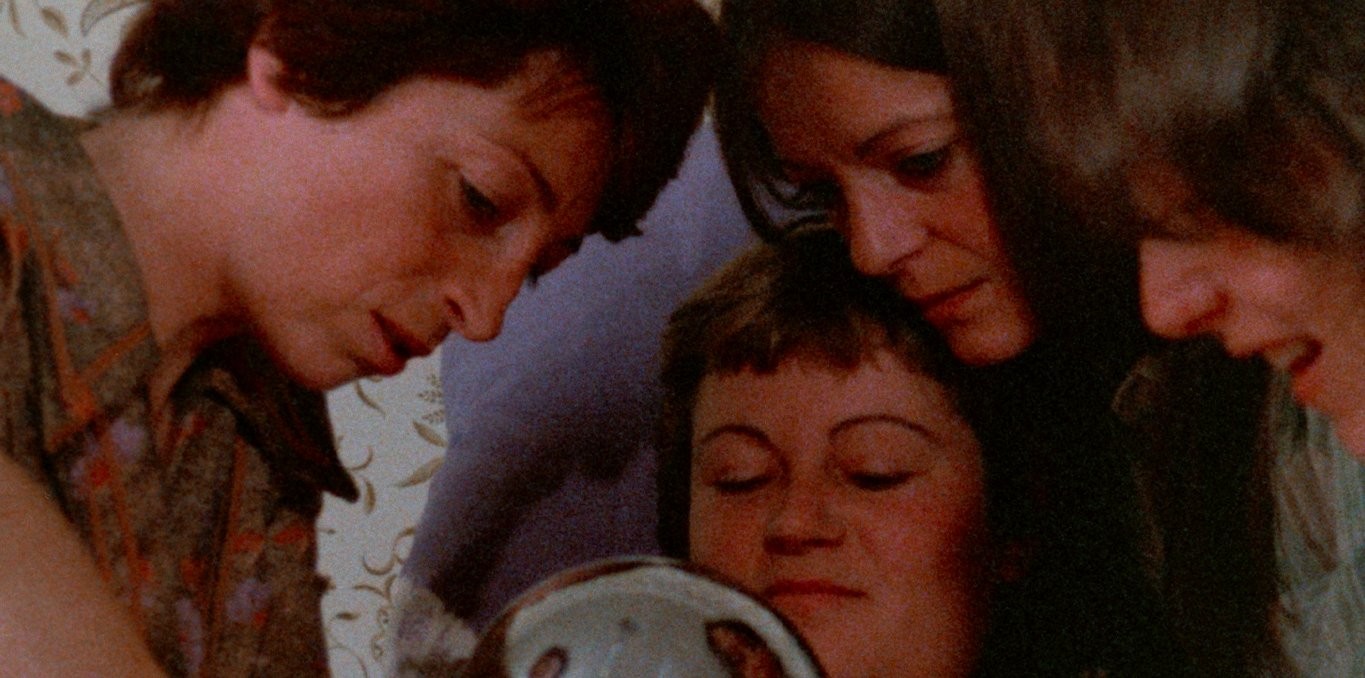
Born out of the shortcomings of the medical system, the MLAC (Movement for the Freedom of Abortion and Contraception) was founded in France in 1973, two years before the Veil Law was passed. For many years, Yann Le Masson followed a group of women from Aix-en-Provence and their loved ones in their daily lives, on the margins of legality. Within the MLAC, they discovered that together they could transform and experience differently moments as important as abortion, childbirth, and the choice of whether or not to have a child. They learned to do things themselves and faced repression: in March 1977, six of them were put on trial for the illegal practice of medicine and illegal abortion. _Regarde, elle a les yeux grand ouverts_ tells their story. Presented in a beautifully restored version by the Cinémathèque de Toulouse.
| Director | Yann Le Masson |
| Share on |
“If women reclaim the power to give birth, they will shake up the world.” Regarde, elle a les yeux grand ouverts begins with a birth and ends with another. Between the two are abortions and the trial of those who carried them out. Because here, the women who perform abortions are also mothers. Those who give birth are the same women who help others who do not want to have a child. The supporting hands, the gaze of those who accompany… whether for an abortion or a birth, Yann Le Masson films bodies and faces with the same tenderness. Each time, it is a story that is both deeply intimate and collective. This is also reflected in the making of the film, which unfolded over nearly five years: a film shaped and desired by the women who appear in it. These women write their own story; they dare to pick up the mirror to look at their own vulvas, and to become active participants in their own lives. They speak to us of struggle, emancipation, and autonomy through the reclamation of their bodies. Rarely has a film’s subject been so closely aligned with the form it takes. A film whose beauty and poetry are matched only by its political force.
Éva Tourrent
Filmmaker and Tënk France's Artistic Director

-
Français
1h57
Language: Français
- Année 1980
- Pays France
- Durée 117
- Producteur Yann Le Masson production
- Langue French
- Résumé court In the 1970s, women fought to reclaim ownership of their bodies: to have abortions, to choose whether or not to have children, and to give birth on their own terms. A powerful, tender, and deeply political film.
- Ordre 3
- TLF_Applismb_CA 1
- Date édito CA 2026-07-10
“If women reclaim the power to give birth, they will shake up the world.” Regarde, elle a les yeux grand ouverts begins with a birth and ends with another. Between the two are abortions and the trial of those who carried them out. Because here, the women who perform abortions are also mothers. Those who give birth are the same women who help others who do not want to have a child. The supporting hands, the gaze of those who accompany… whether for an abortion or a birth, Yann Le Masson films bodies and faces with the same tenderness. Each time, it is a story that is both deeply intimate and collective. This is also reflected in the making of the film, which unfolded over nearly five years: a film shaped and desired by the women who appear in it. These women write their own story; they dare to pick up the mirror to look at their own vulvas, and to become active participants in their own lives. They speak to us of struggle, emancipation, and autonomy through the reclamation of their bodies. Rarely has a film’s subject been so closely aligned with the form it takes. A film whose beauty and poetry are matched only by its political force.
Éva Tourrent
Filmmaker and Tënk France's Artistic Director
-
Français
Duration: 1h57Language: Français1h57
- Année 1980
- Pays France
- Durée 117
- Producteur Yann Le Masson production
- Langue French
- Résumé court In the 1970s, women fought to reclaim ownership of their bodies: to have abortions, to choose whether or not to have children, and to give birth on their own terms. A powerful, tender, and deeply political film.
- Ordre 3
- TLF_Applismb_CA 1
- Date édito CA 2026-07-10