What These Ashes Wanted
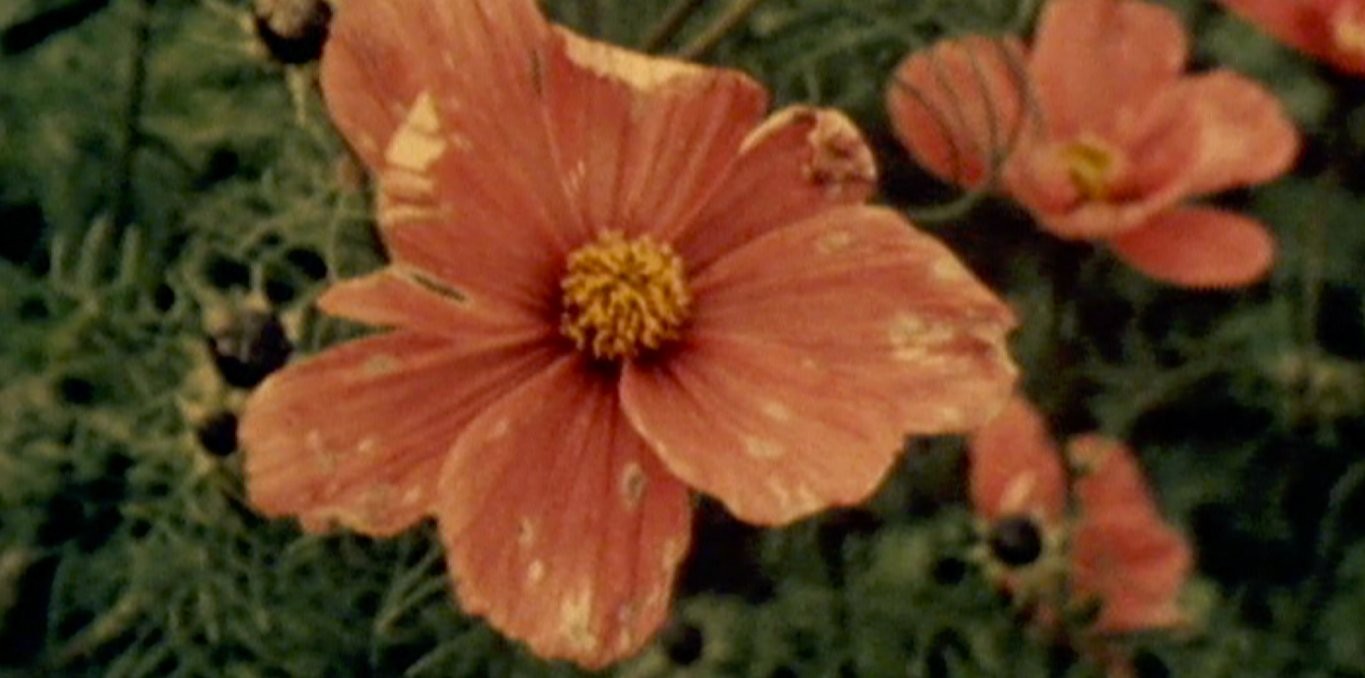
_What These Ashes Wanted_—which combines hand-processed film, video diaries, found sound, text, and narration—is a ritual of grief that feels both collective and intimate. Our own stories of loss fill the gaps between Hoffman’s images of Egyptian tombs, wintertime frolics, and insect activity.
| Director | Philip Hoffman |
| Actor | Sofia Bohdanowicz |
| Share on |
What These Ashes Wanted by Philip Hoffman is one of the films that has most profoundly influenced the way I think about and make cinema. Through fragments of celluloid, sound recordings, memories, and images of everyday life, Hoffman is less concerned with recounting the death of his partner, Marian McMahon, than with finding a cinematic form for her absence. What moves me most about this film is the way the act of filmmaking itself becomes a process of mourning. Filming, editing, revisiting images—these become ways of continuing a relationship with someone who is no longer there.
I have often returned to Hoffman's reflections on kintsugi, the Japanese practice of repairing broken ceramics with gold, in which the fractures become part of an object's beauty rather than something to conceal. His understanding of this practice has fundamentally shaped the way I approach filmmaking, but it has also helped me make peace with the histories we carry within ourselves. The fractures, imperfections, and blemishes we are so often afraid to reveal to the world are not necessarily things that need to be hidden or repaired beyond recognition. They are part of the history of who we are. I have come to believe that the same is true of cinema. A film need not disguise its imperfections, its uncertainties, or even the traces of its own making. Sometimes these are precisely the things that give it life.
Phil was also my thesis reader at York University, and I was incredibly fortunate to have his guidance as I shaped Point and Line to Plane. His generosity and sensitivity as both an artist and a mentor helped me understand how cinema might make an absent presence felt. Hoffman's film reminds us that images cannot bring the dead back to life, but they can allow us to continue our conversations with them, in another form.
Sofia Bohdanowicz
Filmmaker

-

English
Language: English
- Année 2001
- Pays Canada
- Durée 57
- Producteur Philip Hoffman
- Langue English
- Résumé court A cinematic essay exploring grief as both an intimate and shared experience, where images echo our own stories of loss.
- Ordre 2
- Date édito CA 2026-10-23
What These Ashes Wanted by Philip Hoffman is one of the films that has most profoundly influenced the way I think about and make cinema. Through fragments of celluloid, sound recordings, memories, and images of everyday life, Hoffman is less concerned with recounting the death of his partner, Marian McMahon, than with finding a cinematic form for her absence. What moves me most about this film is the way the act of filmmaking itself becomes a process of mourning. Filming, editing, revisiting images—these become ways of continuing a relationship with someone who is no longer there.
I have often returned to Hoffman's reflections on kintsugi, the Japanese practice of repairing broken ceramics with gold, in which the fractures become part of an object's beauty rather than something to conceal. His understanding of this practice has fundamentally shaped the way I approach filmmaking, but it has also helped me make peace with the histories we carry within ourselves. The fractures, imperfections, and blemishes we are so often afraid to reveal to the world are not necessarily things that need to be hidden or repaired beyond recognition. They are part of the history of who we are. I have come to believe that the same is true of cinema. A film need not disguise its imperfections, its uncertainties, or even the traces of its own making. Sometimes these are precisely the things that give it life.
Phil was also my thesis reader at York University, and I was incredibly fortunate to have his guidance as I shaped Point and Line to Plane. His generosity and sensitivity as both an artist and a mentor helped me understand how cinema might make an absent presence felt. Hoffman's film reminds us that images cannot bring the dead back to life, but they can allow us to continue our conversations with them, in another form.
Sofia Bohdanowicz
Filmmaker
-
English
Language: English
- Année 2001
- Pays Canada
- Durée 57
- Producteur Philip Hoffman
- Langue English
- Résumé court A cinematic essay exploring grief as both an intimate and shared experience, where images echo our own stories of loss.
- Ordre 2
- Date édito CA 2026-10-23