If It Happens
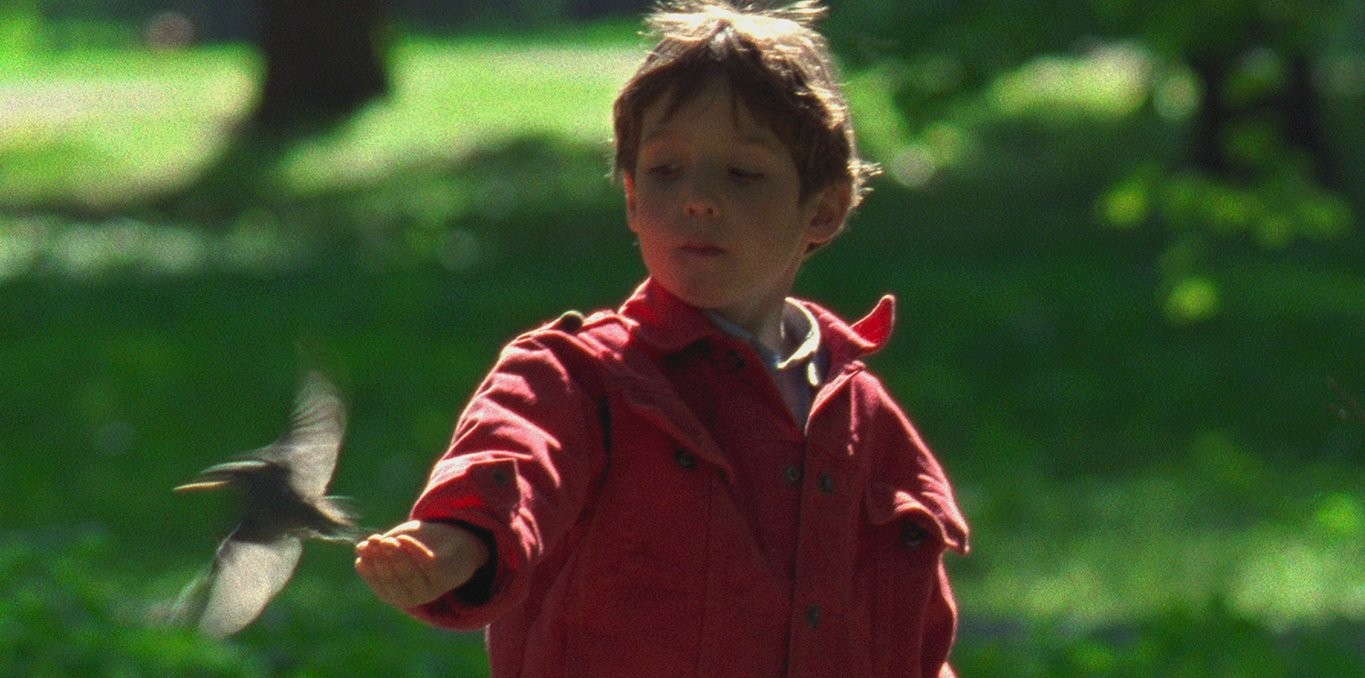
Tomek, Marcel Łoziński's son, is 18 years old. Exactly 12 years ago, when he was 6, his father filmed him during a visit to a park in Warsaw. Tomek stopped near elderly people and, with childlike naivety, asked them about joy, loneliness, fear of death, dreams, love... On his birthday, Tomek returns to the garden of his childhood.
| Director | Marcel Łoziński |
| Actor | Naomie Décarie-Daigneault |
| Share on |
In 1995, Marcel Łoziński films his six-year-old son, Tomek, as he rides his scooter along the paths of Łazienki Park in Warsaw. On the public benches, elderly people warm their memories and stave off their loneliness. Tomek chats with them—about life, death, regrets, and hopes. Twelve years later, Łoziński returns to the same park with his son on his eighteenth birthday. The two Tomek catch sight of each other through a shot/countershot, and in that exchange lies all the poignancy of a life passing by.
Poland, six years after the fall of communism. The people interviewed come from a world that no longer exists. The burdens they evoke—wars, deprivation, sacrifice—seem to belong to a very distant time. For a fleeting moment, young people pass faintly through the foreground; clearly, these space-times cannot meet. An old man says to Tomek: “When you grow up, wars will no longer exist.” The future was then a blank page.
Saint-Jean-Port-Joli, December 28, 2025. I rewatch this small film that moved me so deeply, in the dark room where my daughter is sleeping. She turns four today. The same poignancy washes over me. Time flies. I have little in common with these old people who lived lives so different from mine. And yet the same humanity resonates in the face of young Tomek’s disarming questions. That fiber that makes us beings of relationship, of love, of sharing, searching for meaning and joy. The joy that radiates from young Tomek’s body as he marvels at the swan, the squirrels, the blossoming trees. The joy that tightens the heart when Tomek makes a date with that lonely old woman, the next day, on the same public bench.
Naomie Décarie-Daigneault
Tënk's Artistic Director

-
Français
38 mn
Language: Français
Subtitles: Français
- Année 2007
- Pays Poland
- Durée 38
- Producteur Studio Filmowe Kalejdoskop, Telewizja Polska S.A.
- Langue Polish
- Sous-titres French
- Résumé court Tomek, the son of filmmaker Marcel Łoziński, returns to the garden of his childhood and sets out to meet the little boy he once was.
- Compositeur NR
- Ordre 1
- Date édito CA 2025-12-26
In 1995, Marcel Łoziński films his six-year-old son, Tomek, as he rides his scooter along the paths of Łazienki Park in Warsaw. On the public benches, elderly people warm their memories and stave off their loneliness. Tomek chats with them—about life, death, regrets, and hopes. Twelve years later, Łoziński returns to the same park with his son on his eighteenth birthday. The two Tomek catch sight of each other through a shot/countershot, and in that exchange lies all the poignancy of a life passing by.
Poland, six years after the fall of communism. The people interviewed come from a world that no longer exists. The burdens they evoke—wars, deprivation, sacrifice—seem to belong to a very distant time. For a fleeting moment, young people pass faintly through the foreground; clearly, these space-times cannot meet. An old man says to Tomek: “When you grow up, wars will no longer exist.” The future was then a blank page.
Saint-Jean-Port-Joli, December 28, 2025. I rewatch this small film that moved me so deeply, in the dark room where my daughter is sleeping. She turns four today. The same poignancy washes over me. Time flies. I have little in common with these old people who lived lives so different from mine. And yet the same humanity resonates in the face of young Tomek’s disarming questions. That fiber that makes us beings of relationship, of love, of sharing, searching for meaning and joy. The joy that radiates from young Tomek’s body as he marvels at the swan, the squirrels, the blossoming trees. The joy that tightens the heart when Tomek makes a date with that lonely old woman, the next day, on the same public bench.
Naomie Décarie-Daigneault
Tënk's Artistic Director
-
Français
Duration: 38 minutesLanguage: Français
Subtitles: Français38 mn
- Année 2007
- Pays Poland
- Durée 38
- Producteur Studio Filmowe Kalejdoskop, Telewizja Polska S.A.
- Langue Polish
- Sous-titres French
- Résumé court Tomek, the son of filmmaker Marcel Łoziński, returns to the garden of his childhood and sets out to meet the little boy he once was.
- Compositeur NR
- Ordre 1
- Date édito CA 2025-12-26