Alfred DesRochers, poète
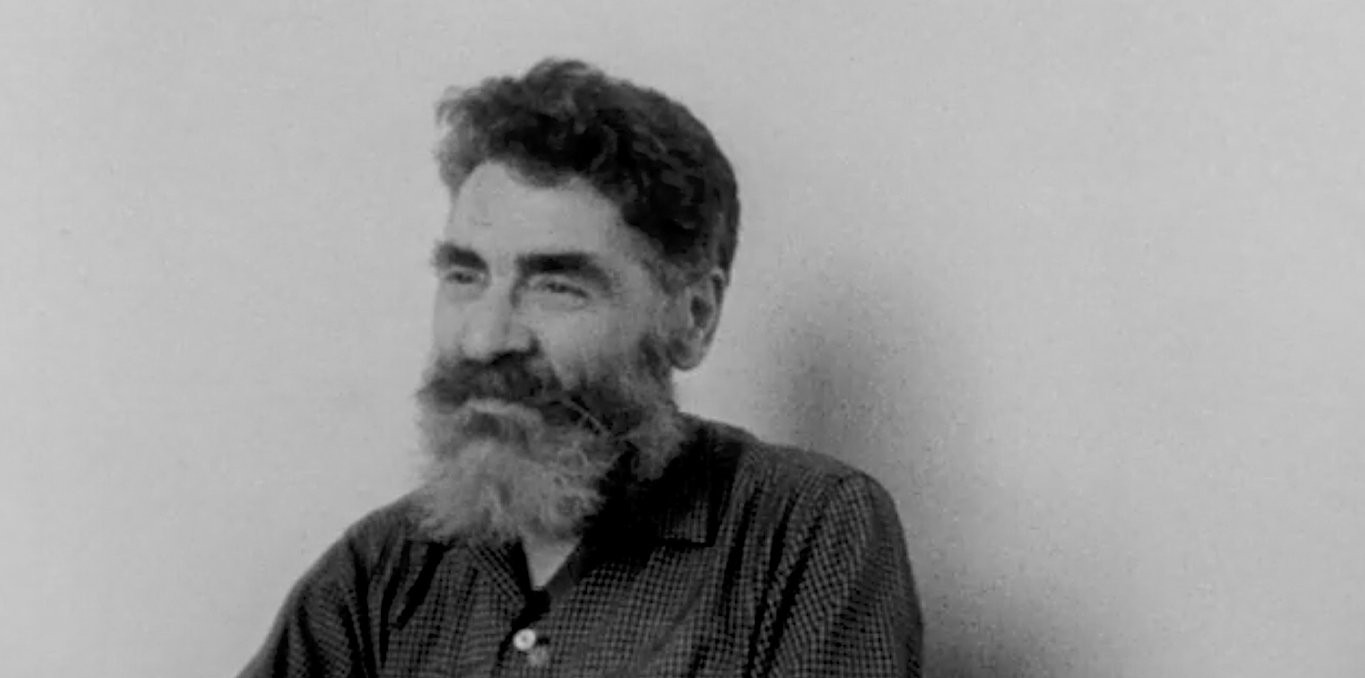
A portrait of the great poet Alfred DesRochers, who was also a journalist for _La Tribune_ in Sherbrooke and enjoyed his moment of fame before the Second World War. Here, he shares his reflections on the difficult conditions of literary life in French Canada.
| Director | Claude Fournier |
| Actor | Jean-Philippe Desrochers |
| Share on |
Of the great Alfred DesRochers (1901–1978), history has largely retained only the opening line of the poem Liminaire in À l’ombre de l’Orford: “I am a fallen son of superhuman race.” Yet, according to poet and playwright Michel Garneau, DesRochers “wrote some of the most beautiful sonnets of the twentieth century.” ¹ After devoting his first documentary short to the fish warden Télesphore Légaré in 1959, Claude Fournier paints a remarkable portrait of the poet and journalist from the Eastern Townships at the dawn of the 1960s, with cinematography by Michel Brault and editing by Gilles Groulx.
Although classical in form — featuring the objective commentary of a neutral voice-over recounting DesRochers’s life and reciting excerpts from his poems — the documentary skillfully highlights the vitality of the poet’s speech and spirit. The film also gains much of its power from Brault’s images lingering on everyday street scenes of the era, the manual labor of various workers, and the reality of modest patrons frequenting the city’s taverns. The faces of these men — at once harsh, fragile, and anxious, “dressed in old clothes / elbows worn thin from so many tavern tables” ² — recall those captured by New York filmmaker Lionel Rogosin in the extraordinary On the Bowery (1956).
Situated halfway between tradition and modernity, Fournier’s documentary reflects both DesRochers himself and the generation of writers to which he belonged. Caught between regionalist literature and a desire for “Americanity” (in the continental sense of the term), their momentum was, according to the poet himself, halted by the 1929 economic crisis. Moreover, this generation would later be overshadowed by the brilliance and intensity of the poets who emerged in Quebec during the so-called Quiet Revolution. It is now up to us to rediscover and celebrate the work of these women and men who remain almost absent from our collective memory.
Jean-Philippe Desrochers
Critic
1. Garneau, Michel, Les chevaux approximatifs - Un hommage aux formes, Éditions de l’Hexagone, Montreal, 2010, p. 12.
2. Godin, Gérald, “C’était pour vous,” in Ils ne demandaient qu’à brûler, Éditions de l’Hexagone, Montreal, 2001, p. 330.

-
Français
28 mn
Language: Français
- Année 1960
- Pays Quebec
- Durée 28
- Producteur ONF / NFB
- Langue French
- Résumé court A portrait of the great poet Alfred Desrochers, reflecting on his career and the difficult conditions of literary life in French Canada.
- TLF_Applismb_CA 1
- Date édito CA 2026-05-22
Of the great Alfred DesRochers (1901–1978), history has largely retained only the opening line of the poem Liminaire in À l’ombre de l’Orford: “I am a fallen son of superhuman race.” Yet, according to poet and playwright Michel Garneau, DesRochers “wrote some of the most beautiful sonnets of the twentieth century.” ¹ After devoting his first documentary short to the fish warden Télesphore Légaré in 1959, Claude Fournier paints a remarkable portrait of the poet and journalist from the Eastern Townships at the dawn of the 1960s, with cinematography by Michel Brault and editing by Gilles Groulx.
Although classical in form — featuring the objective commentary of a neutral voice-over recounting DesRochers’s life and reciting excerpts from his poems — the documentary skillfully highlights the vitality of the poet’s speech and spirit. The film also gains much of its power from Brault’s images lingering on everyday street scenes of the era, the manual labor of various workers, and the reality of modest patrons frequenting the city’s taverns. The faces of these men — at once harsh, fragile, and anxious, “dressed in old clothes / elbows worn thin from so many tavern tables” ² — recall those captured by New York filmmaker Lionel Rogosin in the extraordinary On the Bowery (1956).
Situated halfway between tradition and modernity, Fournier’s documentary reflects both DesRochers himself and the generation of writers to which he belonged. Caught between regionalist literature and a desire for “Americanity” (in the continental sense of the term), their momentum was, according to the poet himself, halted by the 1929 economic crisis. Moreover, this generation would later be overshadowed by the brilliance and intensity of the poets who emerged in Quebec during the so-called Quiet Revolution. It is now up to us to rediscover and celebrate the work of these women and men who remain almost absent from our collective memory.
Jean-Philippe Desrochers
Critic
1. Garneau, Michel, Les chevaux approximatifs - Un hommage aux formes, Éditions de l’Hexagone, Montreal, 2010, p. 12.
2. Godin, Gérald, “C’était pour vous,” in Ils ne demandaient qu’à brûler, Éditions de l’Hexagone, Montreal, 2001, p. 330.
-
Français
Duration: 28 minutesLanguage: Français28 mn
- Année 1960
- Pays Quebec
- Durée 28
- Producteur ONF / NFB
- Langue French
- Résumé court A portrait of the great poet Alfred Desrochers, reflecting on his career and the difficult conditions of literary life in French Canada.
- TLF_Applismb_CA 1
- Date édito CA 2026-05-22