Charles Gagnon
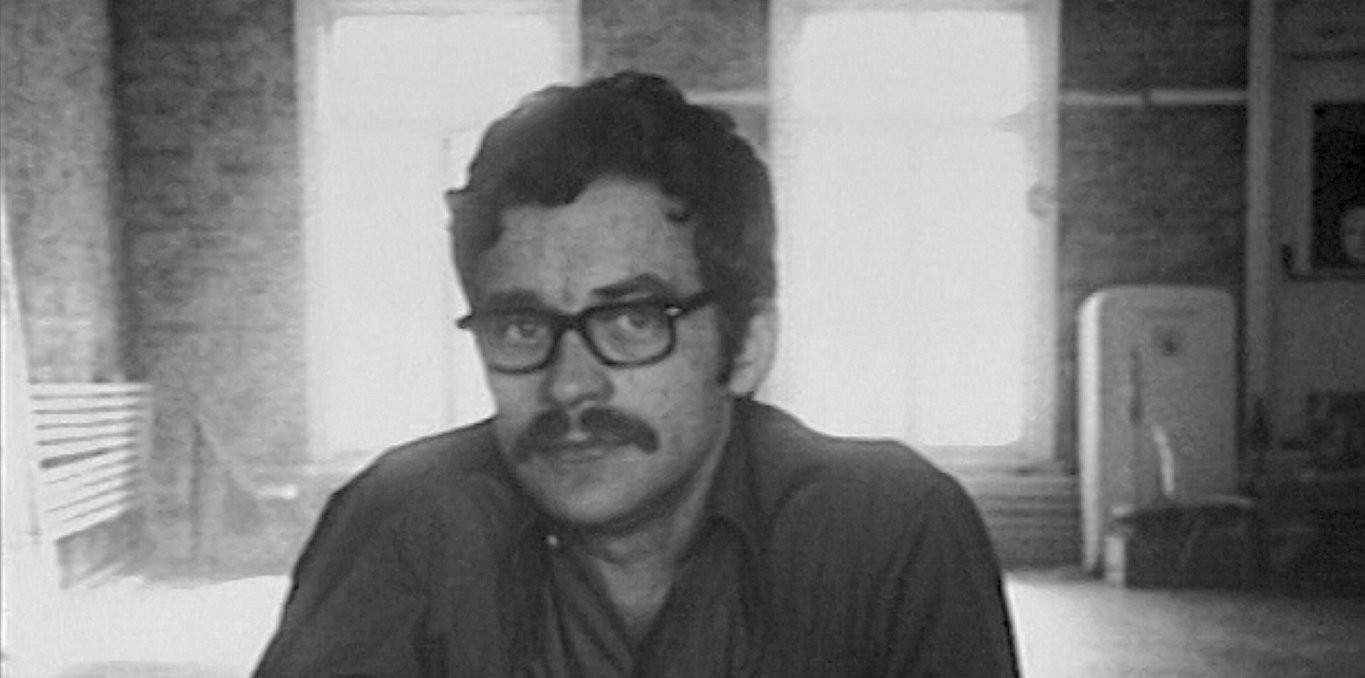
A portrait of one of the FLQ’s leaders, filmed in 1970 shortly after his first release from prison. This committed intellectual, who had just spent 41 months in American and Quebec prisons alongside Pierre Vallières, reflects on his personal and political journey and reaffirms his support for the FLQ’s goals and methods.
| Director | André Melançon |
| Share on |
Charles Gagnon (1939–2005) was a revolutionary activist and Québécois intellectual, and a leading figure on the radical left during the 1960s and 1970s. Alongside his comrade Pierre Vallières, he joined the Front de libération du Québec (FLQ) in late 1965, helping steer the organization towards socialism. Arrested in New York in 1966 and subsequently imprisoned in Quebec, Gagnon and Vallières faced several trials related to their FLQ activities, notably the bombing of the La Grenade factory. Vallières was convicted of manslaughter. Gagnon stood trial four times before being released in February 1970, having been convicted of conspiracy to commit bank robbery. This interview between André Melançon and Charles Gagnon was filmed shortly after his release from prison in 1970.
During the October Crisis, both men were imprisoned once again. They eventually broke with the FLQ’s ideology of violence. In 1971, Vallières joined the Parti québécois, while Gagnon published the pamphlet Pour le parti prolétarien in October 1972, which helped pave the way for the founding of the Marxist-Leninist organization En lutte!. This ideological divide marked the end of their relationship. Gagnon rejected the PQ’s nationalism, which he considered bourgeois and capitalist. In his view, the PQ used the cause of independence as a means of replacing the English-speaking economic elite with a French-speaking one.
Today, the Parti québécois walks a fine line between maintaining certain social commitments and adopting conservative positions on identity and immigration in an effort to court right-wing voters. Gagnon would likely see this as glaring evidence of bourgeois opportunism: a willingness to adapt nationalist rhetoric to shifting electoral winds in order to retain power.
His critique of the national project invites us to ask who would truly benefit from the Quebec we seek to build. Feminist struggles extend this line of questioning: independence and economic redistribution must also transform power relations between women and men, within families, in the workplace, and in political life.
This connection also allows us to examine the limitations of the revolutionary left itself. Prioritizing class struggle could lead to the assumption that women's emancipation would necessarily follow the revolution. Feminists, however, insisted on the need to directly confront the forms of domination they experienced. Within En lutte!, women even formed a caucus to voice their criticisms of the organization.
Revisiting Charles Gagnon’s thought allows us to understand that the fundamental divide in Quebec is not simply “sovereignty versus federalism,” but rather “national liberation for the benefit of the bourgeoisie versus popular and social emancipation.” The PQ still seems to embody the former. Today's parliamentary left, meanwhile, faces a tension that echoes the misgivings Gagnon anticipated in the early days of the PQ project. Constrained by the electoral dynamics of a capitalist state, it continues to search for a way forward between parliamentary reform and the building of a genuine convergence of popular struggles.
Pascale Ferland
Filmmaker, teacher and programmer

-

Français
Language: Français
- Année 1970
- Pays Quebec
- Durée 43
- Producteur André Melançon
- Langue French
- Résumé court A revealing snapshot of the intellectual and political evolution of Charles Gagnon, a prominent figure of the Front de libération du Québec (FLQ).
- TLF_Applismb_CA 1
- Date édito CA 2026-11-13
Charles Gagnon (1939–2005) was a revolutionary activist and Québécois intellectual, and a leading figure on the radical left during the 1960s and 1970s. Alongside his comrade Pierre Vallières, he joined the Front de libération du Québec (FLQ) in late 1965, helping steer the organization towards socialism. Arrested in New York in 1966 and subsequently imprisoned in Quebec, Gagnon and Vallières faced several trials related to their FLQ activities, notably the bombing of the La Grenade factory. Vallières was convicted of manslaughter. Gagnon stood trial four times before being released in February 1970, having been convicted of conspiracy to commit bank robbery. This interview between André Melançon and Charles Gagnon was filmed shortly after his release from prison in 1970.
During the October Crisis, both men were imprisoned once again. They eventually broke with the FLQ’s ideology of violence. In 1971, Vallières joined the Parti québécois, while Gagnon published the pamphlet Pour le parti prolétarien in October 1972, which helped pave the way for the founding of the Marxist-Leninist organization En lutte!. This ideological divide marked the end of their relationship. Gagnon rejected the PQ’s nationalism, which he considered bourgeois and capitalist. In his view, the PQ used the cause of independence as a means of replacing the English-speaking economic elite with a French-speaking one.
Today, the Parti québécois walks a fine line between maintaining certain social commitments and adopting conservative positions on identity and immigration in an effort to court right-wing voters. Gagnon would likely see this as glaring evidence of bourgeois opportunism: a willingness to adapt nationalist rhetoric to shifting electoral winds in order to retain power.
His critique of the national project invites us to ask who would truly benefit from the Quebec we seek to build. Feminist struggles extend this line of questioning: independence and economic redistribution must also transform power relations between women and men, within families, in the workplace, and in political life.
This connection also allows us to examine the limitations of the revolutionary left itself. Prioritizing class struggle could lead to the assumption that women's emancipation would necessarily follow the revolution. Feminists, however, insisted on the need to directly confront the forms of domination they experienced. Within En lutte!, women even formed a caucus to voice their criticisms of the organization.
Revisiting Charles Gagnon’s thought allows us to understand that the fundamental divide in Quebec is not simply “sovereignty versus federalism,” but rather “national liberation for the benefit of the bourgeoisie versus popular and social emancipation.” The PQ still seems to embody the former. Today's parliamentary left, meanwhile, faces a tension that echoes the misgivings Gagnon anticipated in the early days of the PQ project. Constrained by the electoral dynamics of a capitalist state, it continues to search for a way forward between parliamentary reform and the building of a genuine convergence of popular struggles.
Pascale Ferland
Filmmaker, teacher and programmer
-
Français
Language: Français
- Année 1970
- Pays Quebec
- Durée 43
- Producteur André Melançon
- Langue French
- Résumé court A revealing snapshot of the intellectual and political evolution of Charles Gagnon, a prominent figure of the Front de libération du Québec (FLQ).
- TLF_Applismb_CA 1
- Date édito CA 2026-11-13