The Rose Family
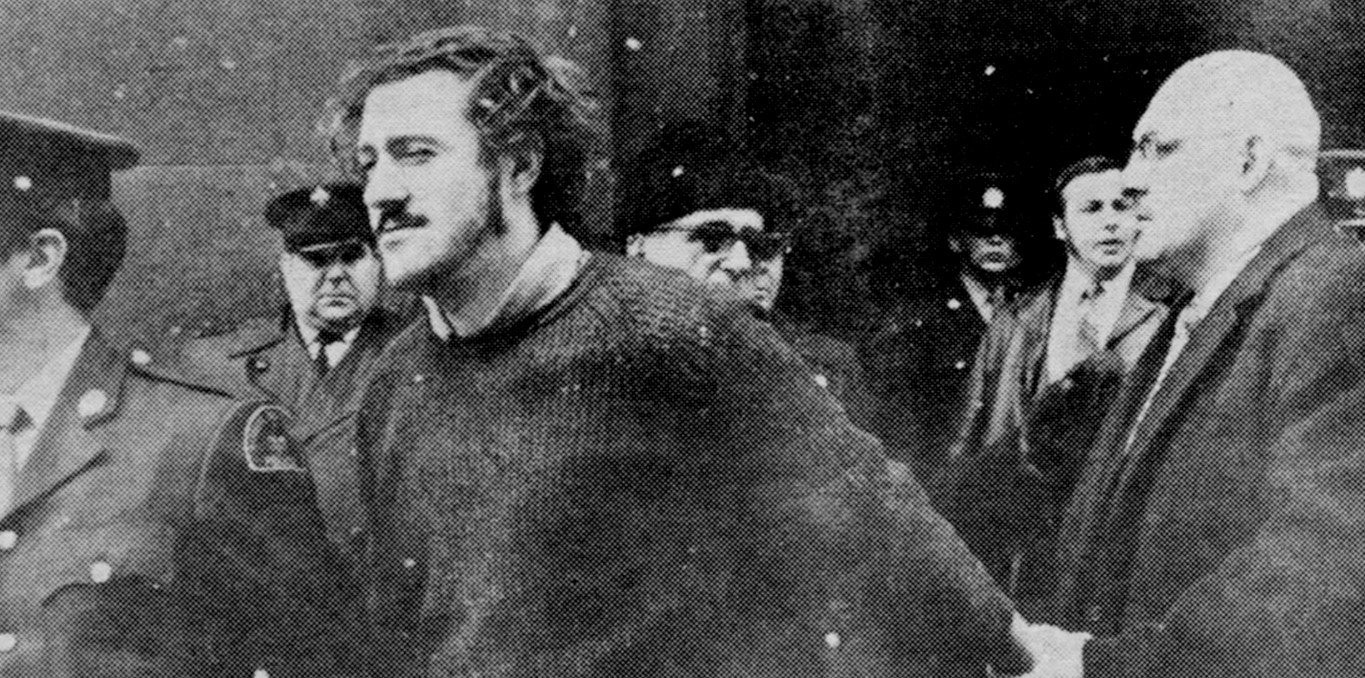
In October 1970, members of the Front de libération du Québec kidnapped minister Pierre Laporte, unleashing an unprecedented crisis in Quebec. Fifty years later, Félix Rose tries to understand what led his father and uncle to commit these acts. The result of ten years of research, _The Rose Family_ brings to life moments and figures that were previously known only through a few photographs, and offers a glimpse of the social deadlock experienced by a rebellious youth and the upheavals that followed.
| Director | Félix Rose |
| Share on |
“Hold hands and don’t let go.”
When Rose Rose’s children left the family home in Ville Jacques-Cartier, a modest neighborhood of Longueuil, to go to school, that was the instruction she gave them. “That’s how we’re strong. Hold hands and stick together.” These words, recalled by Jacques Rose at his brother Paul’s funeral, echo throughout the film’s two-hour duration. For Rose’s social consciousness—one that would transform into political consciousness as events unfolded—seems to be the soil from which the Rose brothers drew all the integrity, tenacity, and fighting spirit that would come to define their actions.
The Rose Family is a true phenomenon in Quebec documentary cinema. It is the biggest theatrical success of all the films in the NFB’s French program. Despite being released in the middle of the pandemic, the film was screened in nearly thirty theatres across Quebec and generated exceptional box-office revenue, in addition to receiving strong critical acclaim. Carried by the elegiac music of Philippe Brach and propelled by the surgical editing of Michel Giroux, this two-hour film marks a turning point in our national cinematography. Not only is it a historical fresco of great ambition, filled with rare and illuminating archival material, it is also a political narrative that gives the leading role to individuals from working-class backgrounds.
This family radiates a moral integrity of striking strength and conviction. Even in their struggles for prisoners’ rights (the two brothers, miles apart and without contact, would both work to improve detention conditions in their respective prisons, while Rose Rose would create the Information Committee on Political Prisoners), it was their commitment to social justice and their aversion to inequality and exploitation that guided their battles, regardless of the consequences for their own lives. It is this absolute faith in their values—embodied in a socialist form of independence—that gives these individuals a heroic stature. And it is through the loving, curious, and admiring yet clear-eyed gaze of Félix Rose, Paul’s son, that we come to know this family, at once an archetype and a mythology of the Quebec people.
The film is essential viewing for anyone who wants to reflect on the nationalist project, exhuming its deeply social—not identity-based—roots. It inspires a desire to reclaim the project of the country, to wrest it from the hands of the identity right, which caricatures its aims and sullies its aspirations, and to dream it again using the same vocabulary as the Rose family. For justice, dignity, living together, and solidarity.
Naomie Décarie-Daigneault
Tënk's Artistic Director

-
English
2h08
Language: English -

Français
Language: Français
- Année 2020
- Pays Quebec
- Durée 128
- Producteur Babel films, ONF / NFB
- Langue French
- Sous-titres English
- Résumé court Félix Rose tries to understand the actions of his father and uncle, who took part in the kidnapping of Minister Pierre Laporte in October 1970.
- Mention festival Prix du public · Gala Québec Cinéma 2021
- Ordre 1
- Date édito CA 2026-03-06
“Hold hands and don’t let go.”
When Rose Rose’s children left the family home in Ville Jacques-Cartier, a modest neighborhood of Longueuil, to go to school, that was the instruction she gave them. “That’s how we’re strong. Hold hands and stick together.” These words, recalled by Jacques Rose at his brother Paul’s funeral, echo throughout the film’s two-hour duration. For Rose’s social consciousness—one that would transform into political consciousness as events unfolded—seems to be the soil from which the Rose brothers drew all the integrity, tenacity, and fighting spirit that would come to define their actions.
The Rose Family is a true phenomenon in Quebec documentary cinema. It is the biggest theatrical success of all the films in the NFB’s French program. Despite being released in the middle of the pandemic, the film was screened in nearly thirty theatres across Quebec and generated exceptional box-office revenue, in addition to receiving strong critical acclaim. Carried by the elegiac music of Philippe Brach and propelled by the surgical editing of Michel Giroux, this two-hour film marks a turning point in our national cinematography. Not only is it a historical fresco of great ambition, filled with rare and illuminating archival material, it is also a political narrative that gives the leading role to individuals from working-class backgrounds.
This family radiates a moral integrity of striking strength and conviction. Even in their struggles for prisoners’ rights (the two brothers, miles apart and without contact, would both work to improve detention conditions in their respective prisons, while Rose Rose would create the Information Committee on Political Prisoners), it was their commitment to social justice and their aversion to inequality and exploitation that guided their battles, regardless of the consequences for their own lives. It is this absolute faith in their values—embodied in a socialist form of independence—that gives these individuals a heroic stature. And it is through the loving, curious, and admiring yet clear-eyed gaze of Félix Rose, Paul’s son, that we come to know this family, at once an archetype and a mythology of the Quebec people.
The film is essential viewing for anyone who wants to reflect on the nationalist project, exhuming its deeply social—not identity-based—roots. It inspires a desire to reclaim the project of the country, to wrest it from the hands of the identity right, which caricatures its aims and sullies its aspirations, and to dream it again using the same vocabulary as the Rose family. For justice, dignity, living together, and solidarity.
Naomie Décarie-Daigneault
Tënk's Artistic Director
-
English
Duration: 2h08Language: English2h08 -
Français
Language: Français
- Année 2020
- Pays Quebec
- Durée 128
- Producteur Babel films, ONF / NFB
- Langue French
- Sous-titres English
- Résumé court Félix Rose tries to understand the actions of his father and uncle, who took part in the kidnapping of Minister Pierre Laporte in October 1970.
- Mention festival Prix du public · Gala Québec Cinéma 2021
- Ordre 1
- Date édito CA 2026-03-06