Parade
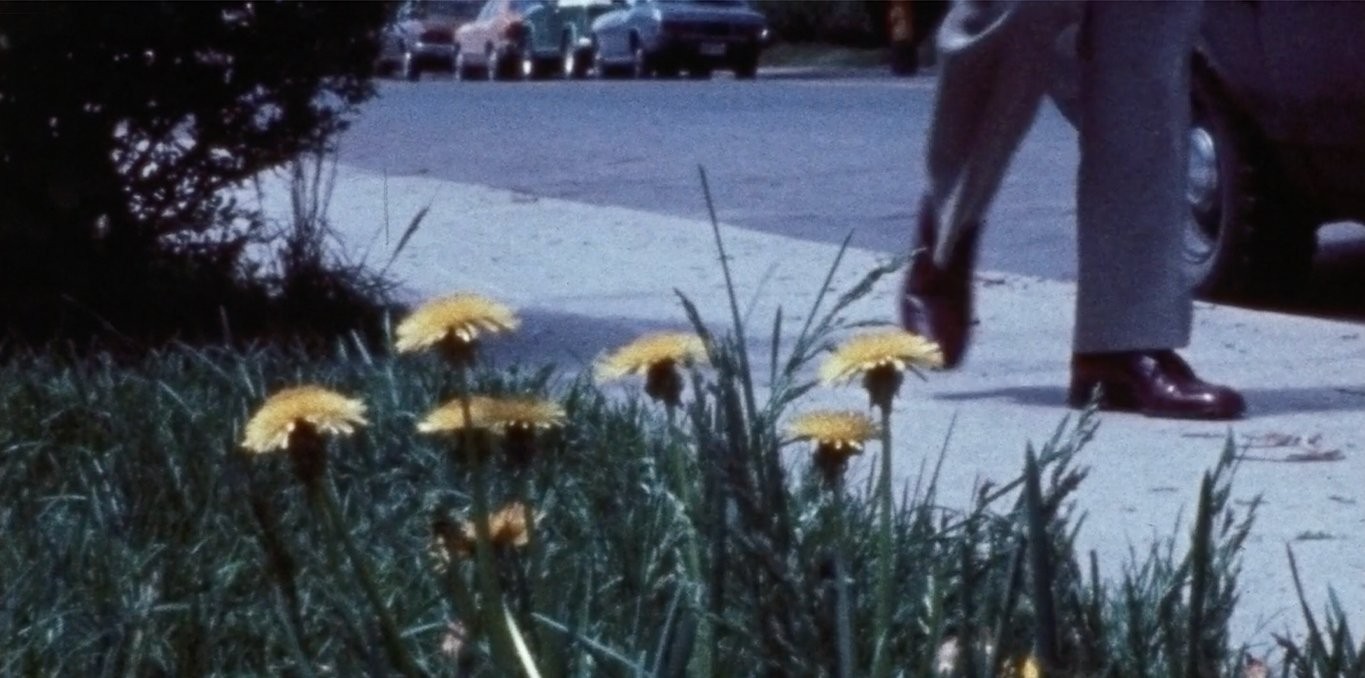
_Parade_ is made of three parts, with each part using a different film language. The first segment uses narrative film language to tell a mysterious story. The second part uses expressionist visual language. The third sequence is composed of events all happening simultaneously which, in film, can only be shown as a sequence. The title _Parade_ refers to the fact that film is composed of individual frames moving past the eyes, which is like standing and watching as a parade moves along a street.
| Director | Keith Lock |
| Share on |
Viewing cinema as a parade of images, Lock focuses here on the potential of editing as a multifaceted form of storytelling. Divided into three chapters, this very short experimental film unfolds through three distinct narrative modes, recalling the competing formal approaches of 1920s cinema. Embracing the linearity of classical Hollywood drama, its “sordid tale” of roommates is immediately intelligible, centering on the familiar tragedy of waiting for the bathroom in a shared living space. Yet Lock quickly subverts the causal logic of shot/reverse shots editing through an unexpected cut that follows a glance through a keyhole. For the creative filmmaker, he seems to suggest, the narrative expectations generated by conventional editing provide the perfect opportunity to surprise the viewer.
What follows are two expressions of simultaneity that offer complementary visions of urban experience. The first assembles anatomical fragments—hands, feet, a bewildered face—superimposed upon the silhouette of a city, creating a phantasmagoric relationship that recalls the dreamlike imagery cherished by Surrealist cinema. The third chapter is more Eisensteinian in spirit, preoccupied with questions of rhythm and visual metaphor. It evokes the city symphonies of Vertov and Ruttmann, but set in 1970s Toronto. Here, the stresses of daily life coexist with the specter of consumerism and the sublimated eroticism characteristic of Lock’s work, in a world of unfulfilled desires—both sexual and material. The result recalls the impressionistic texture of his earliest films while foreshadowing the playful bawdiness of The Ache (2009).
Olivier Thibodeau
Critic
Presented in collaboration with


-
English
5 mn
Language: English
- Année 1977
- Pays Canada
- Durée 5
- Producteur Keith Lock
- Langue Without dialogue
- Résumé court A film composed of individual frames moving past the eyes, which is like standing and watching as a parade moves along a street.
- Ordre 4
- Capsule film <p>For further reading, explore <em><a href="https://www.panorama-cinema.com/V2/article.php?categorie=3&id=1389" target="_blank"><span style="color:#008080;"><strong>Keith Lock's Intimate Diasporas</strong></span></a>,</em> an issue published by <em>Panorama-Cinéma</em>.</p> <p> </p> <p style="text-align: center;"><a href="https://www.panorama-cinema.com/V2/index.php" target="_blank"><img src="https://dhkhp2rgto9nq.cloudfront.net/img/cms/LOGO_SIMPLE_PANO_300DPI-1.png" style="height: 68px; width: 250px;" /></a></p>
- TLF_Applismb_CA 1
- Date édito CA 2026-05-29
Viewing cinema as a parade of images, Lock focuses here on the potential of editing as a multifaceted form of storytelling. Divided into three chapters, this very short experimental film unfolds through three distinct narrative modes, recalling the competing formal approaches of 1920s cinema. Embracing the linearity of classical Hollywood drama, its “sordid tale” of roommates is immediately intelligible, centering on the familiar tragedy of waiting for the bathroom in a shared living space. Yet Lock quickly subverts the causal logic of shot/reverse shots editing through an unexpected cut that follows a glance through a keyhole. For the creative filmmaker, he seems to suggest, the narrative expectations generated by conventional editing provide the perfect opportunity to surprise the viewer.
What follows are two expressions of simultaneity that offer complementary visions of urban experience. The first assembles anatomical fragments—hands, feet, a bewildered face—superimposed upon the silhouette of a city, creating a phantasmagoric relationship that recalls the dreamlike imagery cherished by Surrealist cinema. The third chapter is more Eisensteinian in spirit, preoccupied with questions of rhythm and visual metaphor. It evokes the city symphonies of Vertov and Ruttmann, but set in 1970s Toronto. Here, the stresses of daily life coexist with the specter of consumerism and the sublimated eroticism characteristic of Lock’s work, in a world of unfulfilled desires—both sexual and material. The result recalls the impressionistic texture of his earliest films while foreshadowing the playful bawdiness of The Ache (2009).
Olivier Thibodeau
Critic
Presented in collaboration with
-
English
Duration: 5 minutesLanguage: English5 mn
- Année 1977
- Pays Canada
- Durée 5
- Producteur Keith Lock
- Langue Without dialogue
- Résumé court A film composed of individual frames moving past the eyes, which is like standing and watching as a parade moves along a street.
- Ordre 4
- Capsule film <p>For further reading, explore <em><a href="https://www.panorama-cinema.com/V2/article.php?categorie=3&id=1389" target="_blank"><span style="color:#008080;"><strong>Keith Lock's Intimate Diasporas</strong></span></a>,</em> an issue published by <em>Panorama-Cinéma</em>.</p> <p> </p> <p style="text-align: center;"><a href="https://www.panorama-cinema.com/V2/index.php" target="_blank"><img src="https://dhkhp2rgto9nq.cloudfront.net/img/cms/LOGO_SIMPLE_PANO_300DPI-1.png" style="height: 68px; width: 250px;" /></a></p>
- TLF_Applismb_CA 1
- Date édito CA 2026-05-29