Touched
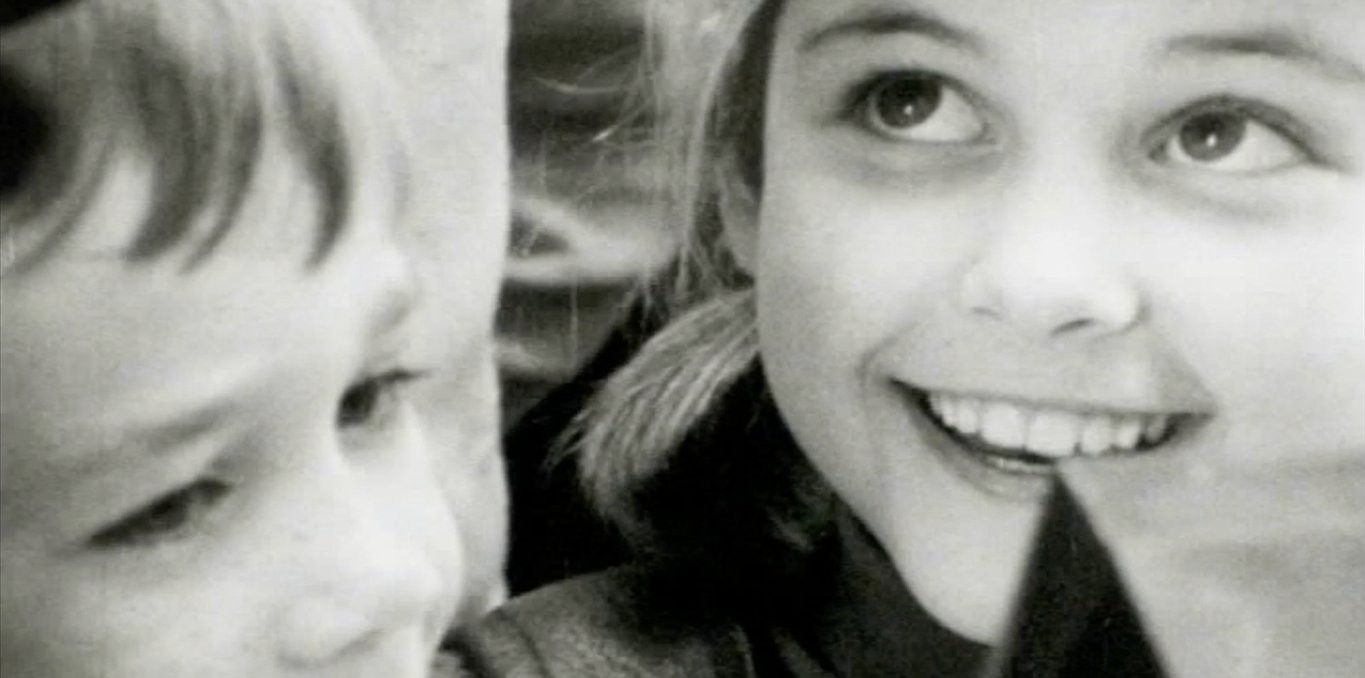
Shot in 1970 in a grade school in Brockville, Ontario, this film, which combines documentary and animation techniques, attempts to show the reactions and relationships of children in an environment that encourages creativity.
| Directors | Keith Lock, James Anderson |
| Share on |
Funded by the Red Cross to promote its arts-in-schools programs, Touched provided Lock and his colleague James Anderson with an opportunity to continue their formal experimentation through the lens of play. Inspired by Marshall McLuhan’s theory of tactile cinema, the film focuses on the body as a visual puzzle whose expressive arrangement of parts creates a striking impression, suspended somewhere between dream and reality. As in Lock’s first film, Flights of Frenzy (1969), the specter of the Vietnam War still looms large. In an unsettling opening sequence, a man turns on the radio and is assaulted by a chorus of shouting mouths. One can almost imagine the clerics from The Passion of Joan of Arc transformed into the judges and executioners of the Vietnamese people.
Fortunately, childhood here does not mirror the belligerent outlook of adults; instead, it serves as a force against death, as evidenced by the bursts of life and creativity that animate the film’s second act. Driven by playful visual and sonic editing, this part invites us into a classroom portrayed as a hive of activity, where anything seems possible. The schoolchildren, busy with tape recorders and slide projectors, evoke the mischievous and instinctive creative process of the filmmakers themselves. The canvases upon which their brushes rest become a playground, just like the film itself, which tricks us only to delight us all the more with the incongruous appearance of farm animals and the astonishing transformations their figures undergo, contrasting the horrors of the world with the infinite aesthetic possibilities of everyday life.
Olivier Thibodeau
Critic
Presented in collaboration with


-
English
12 mn
Language: English
- Année 1970
- Pays Canada
- Durée 12
- Producteur Keith Lock, James Anderson
- Langue English
- Résumé court Shot in 1970 in a primary school in Brockville, Ontario, this film focuses on portraying the reactions and relationships among children in an environment that fosters creativity.
- Ordre 2
- Capsule film <p>For further reading, explore <em><a href="https://www.panorama-cinema.com/V2/article.php?categorie=3&id=1389" target="_blank"><span style="color:#008080;"><strong>Keith Lock's Intimate Diasporas</strong></span></a>,</em> an issue published by <em>Panorama-Cinéma</em>.</p> <p> </p> <p style="text-align: center;"><a href="https://www.panorama-cinema.com/V2/index.php" target="_blank"><img src="https://dhkhp2rgto9nq.cloudfront.net/img/cms/LOGO_SIMPLE_PANO_300DPI-1.png" style="height: 68px; width: 250px;" /></a></p>
- TLF_Applismb_CA 1
- Date édito CA 2026-05-29
Funded by the Red Cross to promote its arts-in-schools programs, Touched provided Lock and his colleague James Anderson with an opportunity to continue their formal experimentation through the lens of play. Inspired by Marshall McLuhan’s theory of tactile cinema, the film focuses on the body as a visual puzzle whose expressive arrangement of parts creates a striking impression, suspended somewhere between dream and reality. As in Lock’s first film, Flights of Frenzy (1969), the specter of the Vietnam War still looms large. In an unsettling opening sequence, a man turns on the radio and is assaulted by a chorus of shouting mouths. One can almost imagine the clerics from The Passion of Joan of Arc transformed into the judges and executioners of the Vietnamese people.
Fortunately, childhood here does not mirror the belligerent outlook of adults; instead, it serves as a force against death, as evidenced by the bursts of life and creativity that animate the film’s second act. Driven by playful visual and sonic editing, this part invites us into a classroom portrayed as a hive of activity, where anything seems possible. The schoolchildren, busy with tape recorders and slide projectors, evoke the mischievous and instinctive creative process of the filmmakers themselves. The canvases upon which their brushes rest become a playground, just like the film itself, which tricks us only to delight us all the more with the incongruous appearance of farm animals and the astonishing transformations their figures undergo, contrasting the horrors of the world with the infinite aesthetic possibilities of everyday life.
Olivier Thibodeau
Critic
Presented in collaboration with
-
English
Duration: 12 minutesLanguage: English12 mn
- Année 1970
- Pays Canada
- Durée 12
- Producteur Keith Lock, James Anderson
- Langue English
- Résumé court Shot in 1970 in a primary school in Brockville, Ontario, this film focuses on portraying the reactions and relationships among children in an environment that fosters creativity.
- Ordre 2
- Capsule film <p>For further reading, explore <em><a href="https://www.panorama-cinema.com/V2/article.php?categorie=3&id=1389" target="_blank"><span style="color:#008080;"><strong>Keith Lock's Intimate Diasporas</strong></span></a>,</em> an issue published by <em>Panorama-Cinéma</em>.</p> <p> </p> <p style="text-align: center;"><a href="https://www.panorama-cinema.com/V2/index.php" target="_blank"><img src="https://dhkhp2rgto9nq.cloudfront.net/img/cms/LOGO_SIMPLE_PANO_300DPI-1.png" style="height: 68px; width: 250px;" /></a></p>
- TLF_Applismb_CA 1
- Date édito CA 2026-05-29