The films of Sylvie Groulx

Sylvie Groulx, a pioneering filmmaker, sociologist-artist, and deeply humane individual, has recently passed away, though Alzheimer’s disease had already deprived us of her hypersensitive gaze. To honour her fundamental contribution to Quebec cinema and her nuanced analysis of social phenomena, Tënk invites you to revisit her work through a selection of four films. Immersing yourself in them means journeying through Quebec’s history in the post–Quiet Revolution era, from the crisis of modernity to feminist revolutions, through postmodern disillusionment and the emerging faces of multicultural Quebec.
***
Sylvie Groulx (1953–2026) was a Quebec filmmaker and screenwriter born in Montreal. In 1977, she earned a bachelor’s degree in Communications from Concordia University. During her studies, she co-directed Une bien belle ville with Francine Allaire, Jeannine Gagné, and Michel Lamothe. Her career soon revealed her interest in a cinema that was both personal and politically engaged. After codirecting her acclaimed documentary, The Big Sweep (1978), she joined Cinéma Libre, a distribution company specializing in independent films. In 1988, she directed Chronique d’un temps flou, exploring the concerns of Quebec’s youth in the late 1980s. A co-founder of the Rendez-vous du cinéma québécois in 1982, she also devoted herself to advancing cinema in a variety of ways: teaching at the college level, serving on the board of directors of the Association des réalisateurs et réalisatrices du Québec, and writing articles. She also helped establish the distributor Les Films du 3 mars. Her feature-length documentary La classe de Madame Lise (2006) was the first film released theatrically by F3M. It went on to win the Jutra Award for Best Documentary. She passed away in August 2026 at the age of 73 from complications of Alzheimer’s disease, leaving behind a socially engaged body of work that explores the loss of bearings and continues to inspire generations of filmmakers.
4 products
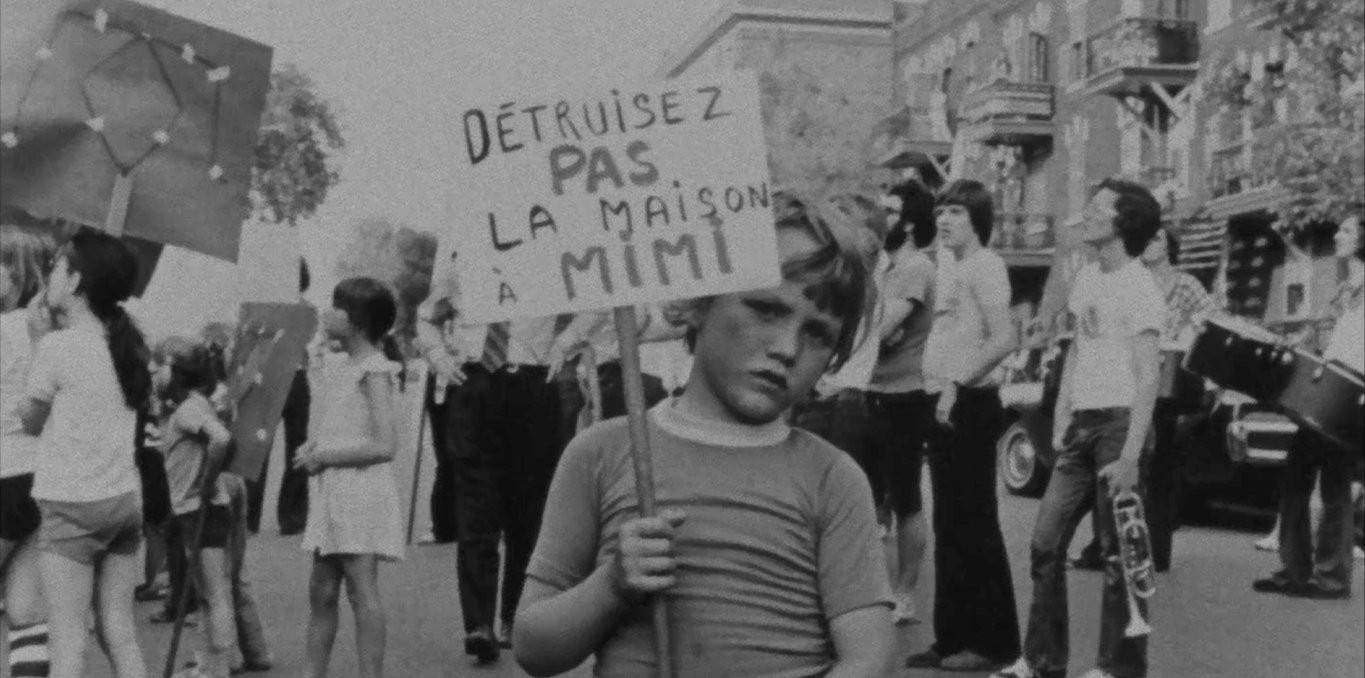
Une bien belle ville
Subscription access
A documentary about housing issues in Montreal and the large-scale demolitions that took place in working-class neighbourhoods, particularly on Saint-Jacques and Saint-Norbert streets.
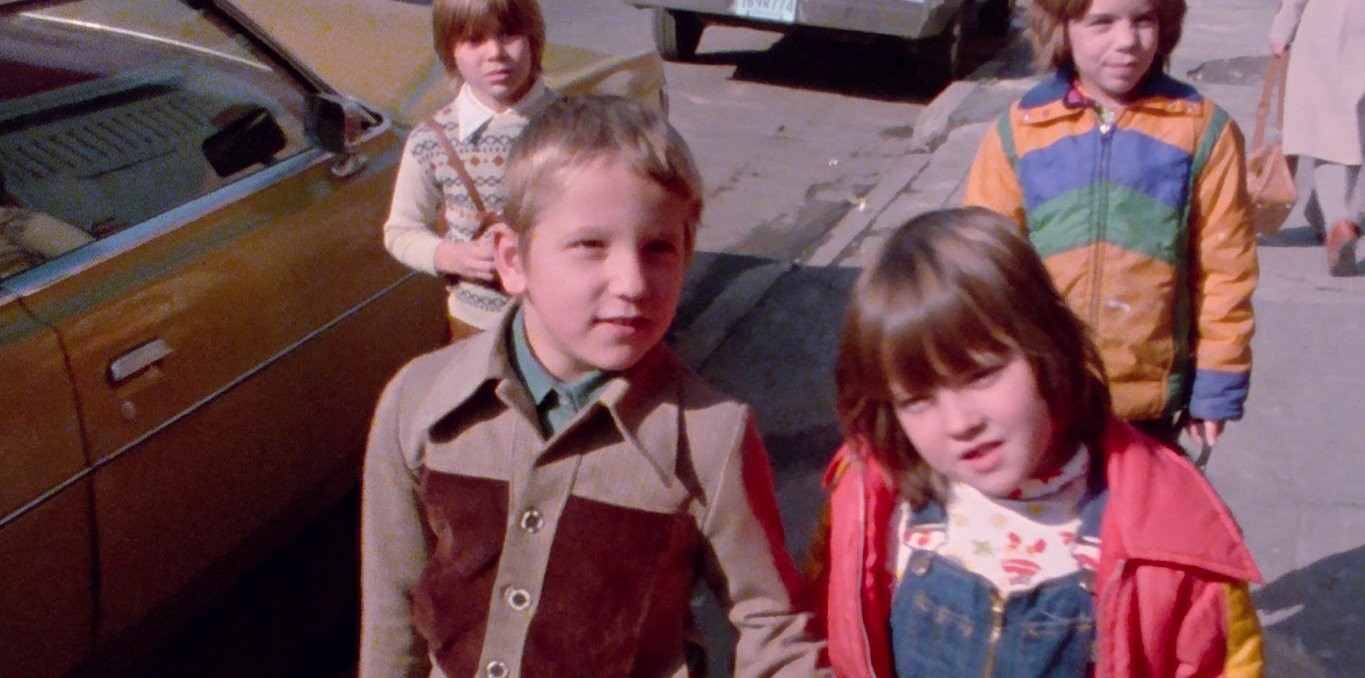
The Big Sweep
Subscription access
_The Big Sweep_ is a caustic and humorous challenge to the traditional male and female roles and stereotypes inculcated by our upbringing. The film illustrates two opposing worlds: that of the “eternal masculine” and that of the “eternal feminine” through the behaviors, concerns, work and aspirations of women and men, and through the games, projects and dreams of children.

La classe de Madame Lise
Duration: 1h29
Subscription access
Their names are Rafik, Solace, Rahat, Jessica and Adonay. They are six years old. They live in Parc-Extension, a multi-ethnic neighbourhood in the heart of Montreal. They are Madame Lise's students. Over an entire school year, director Sylvie Groulx observes their learning and watches them live.
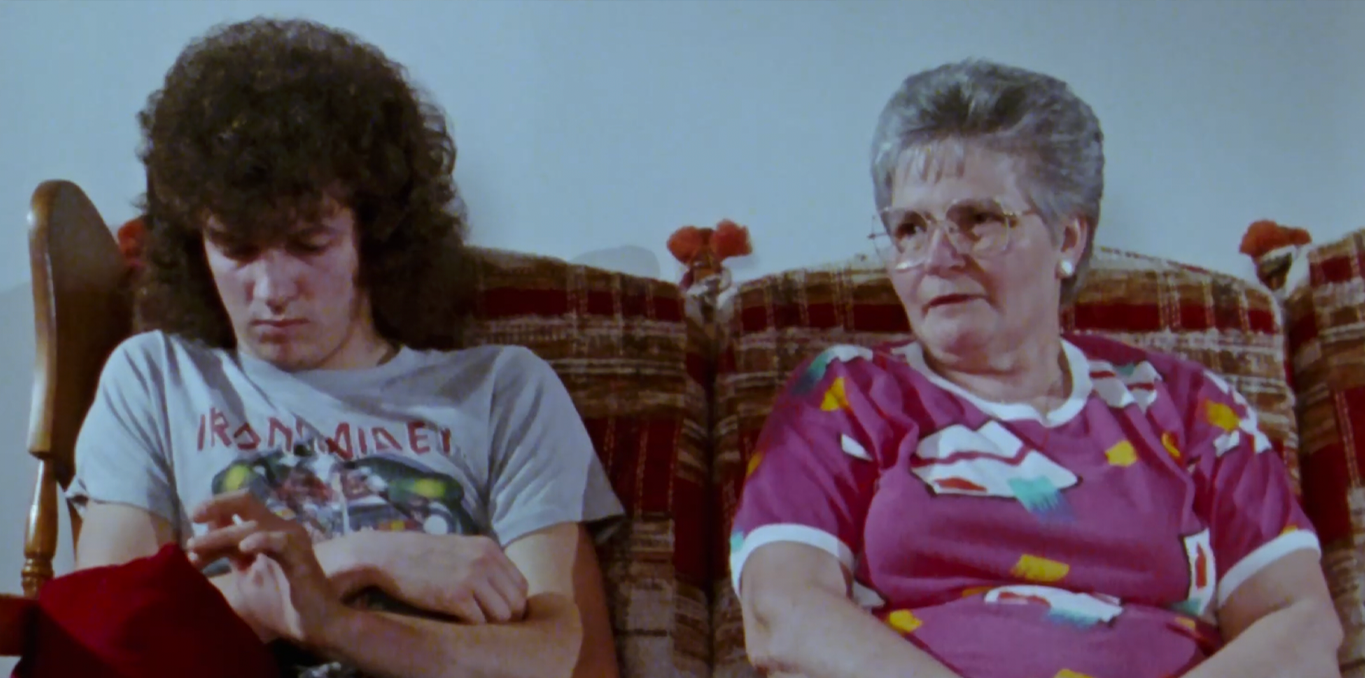
Chronique d'un temps flou
Duration: 1h29
Subscription access
Through the portraits, questions and preoccupations of young Quebecers aged 20 to 25, this documentary raises, often with humour, a reflection on Quebec society in 1988: family, couples, work, unemployment, creation, politics, the future, and so on. The director, for her part, embodies the 35-year-old generation, helping to measure how far we've come since the late 60s.
Une bien belle ville
Subscription access
A documentary about housing issues in Montreal and the large-scale demolitions that took place in working-class neighbourhoods, particularly on Saint-Jacques and Saint-Norbert streets.
The Big Sweep
Subscription access
_The Big Sweep_ is a caustic and humorous challenge to the traditional male and female roles and stereotypes inculcated by our upbringing. The film illustrates two opposing worlds: that of the “eternal masculine” and that of the “eternal feminine” through the behaviors, concerns, work and aspirations of women and men, and through the games, projects and dreams of children.
La classe de Madame Lise
Duration: 1h29
Subscription access
Their names are Rafik, Solace, Rahat, Jessica and Adonay. They are six years old. They live in Parc-Extension, a multi-ethnic neighbourhood in the heart of Montreal. They are Madame Lise's students. Over an entire school year, director Sylvie Groulx observes their learning and watches them live.
Chronique d'un temps flou
Duration: 1h29
Subscription access
Through the portraits, questions and preoccupations of young Quebecers aged 20 to 25, this documentary raises, often with humour, a reflection on Quebec society in 1988: family, couples, work, unemployment, creation, politics, the future, and so on. The director, for her part, embodies the 35-year-old generation, helping to measure how far we've come since the late 60s.