The Big Sweep
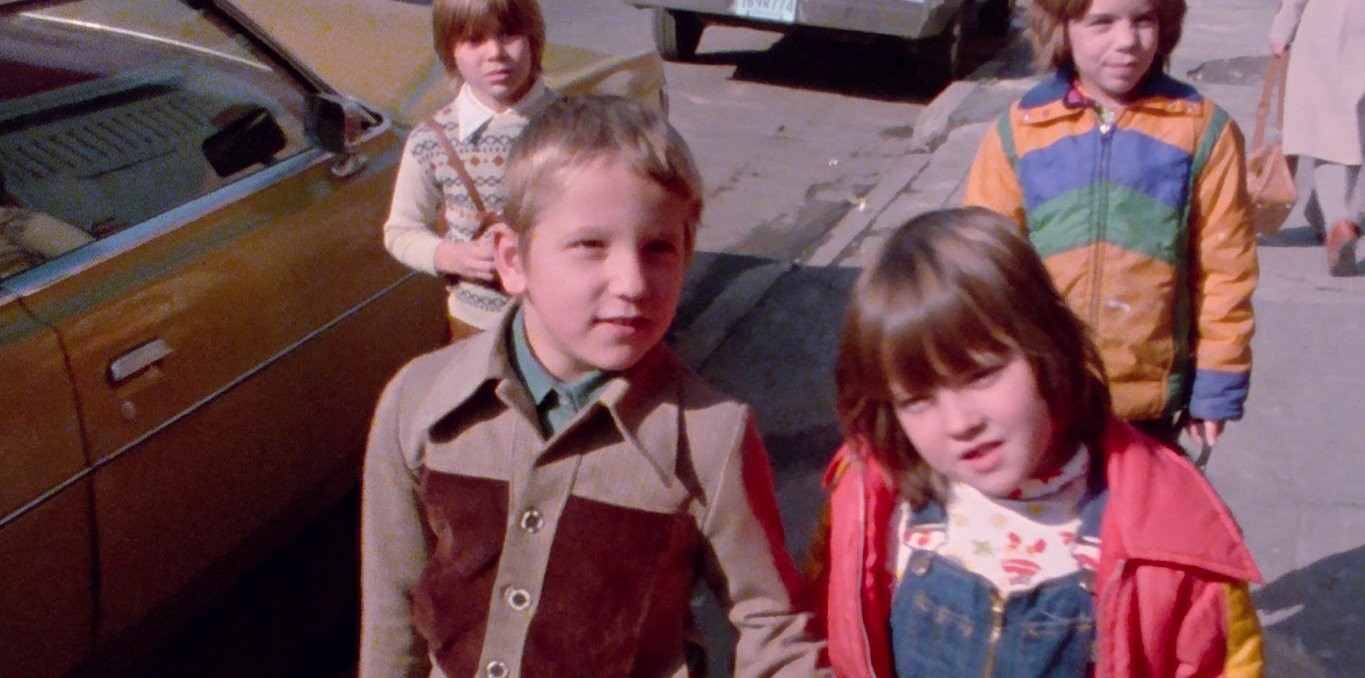
_The Big Sweep_ is a caustic and humorous challenge to the traditional male and female roles and stereotypes inculcated by our upbringing. The film illustrates two opposing worlds: that of the “eternal masculine” and that of the “eternal feminine” through the behaviors, concerns, work and aspirations of women and men, and through the games, projects and dreams of children.
| Directors | Sylvie Groulx, Francine Allaire |
| Share on |
I met Sylvie Groulx while studying at UQAM. She had generously agreed to be interviewed for my thesis on women’s cinema. I remember how nervous I was before our meeting, as if I were about to meet a rock star. In my eyes, she was one!
I had watched The Big Sweep and was struck by its denunciation of the inequalities women have always faced and the systemic abuses they continued to endure in their everyday lives. I recognized the importance of documenting these realities, so often silenced, and found in the film the same thirst for justice that had already begun to drive me.
And yet, I had the impression that relations between men and women had evolved since the late 1970s, that the everyday machismo at the heart of The Big Sweep belonged to a bygone era; those men who speak loudly and spout nonsense, who boast about their athletic or sexual exploits in boys’ clubs where competition, strength, domination and money are ever-present and celebrated. The film portrayed a society where sexism is passed down from the schoolyard to the home, where mothers are both the pillars of the family and prisoners of their roles, and where little girls quickly learn that marriage may not be the best path if they dream of freedom.
That world seemed light-years away from my own reality as a naïve young woman who had yet to come face to face with the real world. Then I had children of my own and experienced my share of sexist, sometimes violent, encounters, both in my private life and in the workplace. Had society really changed that much?
When I watched the film again recently, I found a disturbing resonance with current events. Just as we had hoped to see traditional gender roles undergo lasting change, the rise of manosphere rhetoric and the current erosion of certain feminist gains remind us that nothing can ever be taken for granted, that everything remains fragile.
This film therefore remains an essential reminder that systems of domination do not disappear on their own. Today, I see it as an invitation to remain vigilant, always.
Marie-Julie Garneau
Creator, Concept Developer, and Multidisciplinary Project Manager

-

Français
Language: Français
- Année 1978
- Pays Quebec
- Durée 70
- Producteur Les Productions de l'Envol
- Langue French
- Résumé court With biting wit and humour, this film deconstructs gender roles and stereotypes instilled through upbringing from an early age.
- Ordre 2
- TLF_Applismb_CA 1
- Date édito CA 2026-10-16
I met Sylvie Groulx while studying at UQAM. She had generously agreed to be interviewed for my thesis on women’s cinema. I remember how nervous I was before our meeting, as if I were about to meet a rock star. In my eyes, she was one!
I had watched The Big Sweep and was struck by its denunciation of the inequalities women have always faced and the systemic abuses they continued to endure in their everyday lives. I recognized the importance of documenting these realities, so often silenced, and found in the film the same thirst for justice that had already begun to drive me.
And yet, I had the impression that relations between men and women had evolved since the late 1970s, that the everyday machismo at the heart of The Big Sweep belonged to a bygone era; those men who speak loudly and spout nonsense, who boast about their athletic or sexual exploits in boys’ clubs where competition, strength, domination and money are ever-present and celebrated. The film portrayed a society where sexism is passed down from the schoolyard to the home, where mothers are both the pillars of the family and prisoners of their roles, and where little girls quickly learn that marriage may not be the best path if they dream of freedom.
That world seemed light-years away from my own reality as a naïve young woman who had yet to come face to face with the real world. Then I had children of my own and experienced my share of sexist, sometimes violent, encounters, both in my private life and in the workplace. Had society really changed that much?
When I watched the film again recently, I found a disturbing resonance with current events. Just as we had hoped to see traditional gender roles undergo lasting change, the rise of manosphere rhetoric and the current erosion of certain feminist gains remind us that nothing can ever be taken for granted, that everything remains fragile.
This film therefore remains an essential reminder that systems of domination do not disappear on their own. Today, I see it as an invitation to remain vigilant, always.
Marie-Julie Garneau
Creator, Concept Developer, and Multidisciplinary Project Manager
-
Français
Language: Français
- Année 1978
- Pays Quebec
- Durée 70
- Producteur Les Productions de l'Envol
- Langue French
- Résumé court With biting wit and humour, this film deconstructs gender roles and stereotypes instilled through upbringing from an early age.
- Ordre 2
- TLF_Applismb_CA 1
- Date édito CA 2026-10-16