Chronique d'un temps flou
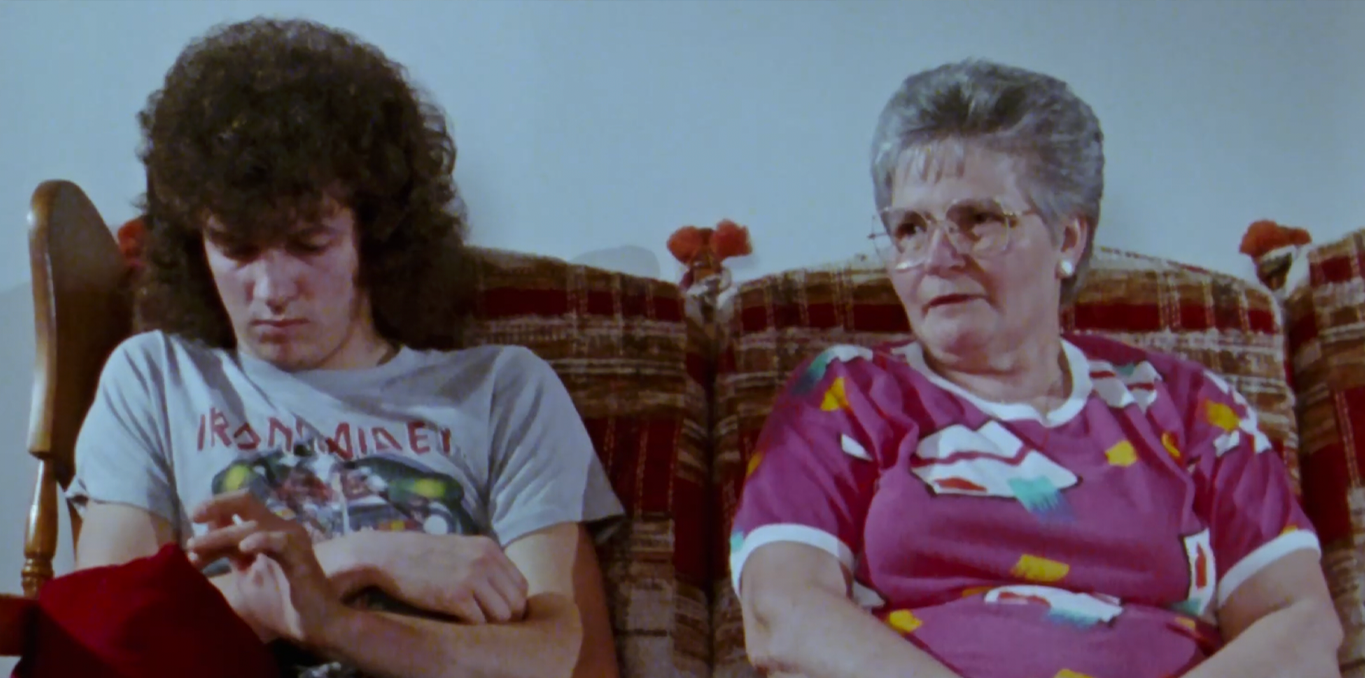
Through the portraits, questions and preoccupations of young Quebecers aged 20 to 25, this documentary raises, often with humour, a reflection on Quebec society in 1988: family, couples, work, unemployment, creation, politics, the future, and so on. The director, for her part, embodies the 35-year-old generation, helping to measure how far we've come since the late 60s.
| Director | Sylvie Groulx |
| Actor | Pascale Ferland |
| Share on |
Does time inevitably drive a wedge between generations? In this film, filmmaker Sylvie Groulx, a young baby boomer aged 35 in 1988, explores the gap separating her from a group of young people belonging to Generation X, then in their twenties. The film tackles a range of issues, including unemployment, capitalism, politics, and feminism. Guided by the filmmaker’s gaze, we follow the loves, dreams, and disillusionments of young protagonists who struggle to envision their future. At the heart of their questioning, their worldviews take shape, along with their desire to strive toward a certain ideal. Gradually, the contradictions and aspirations of a generation from a bygone decade come into focus. “The farther backward you can look, the farther forward you are likely to see,” Churchill once said.
***
Since these words were written, Sylvie has passed away. I often find myself thinking back to this film, which left a deep impression on me through the intimacy and freedom of its gaze, and its ability to bring major political and social questions to the surface through ordinary lives.
Sylvie belongs to a generation of pioneering women who, beginning in the 1970s, helped renew Quebec documentary cinema. Her work, attentive to the tensions of her time and, above all, to the people living through them, continues to shed light on our own.
When I first watched Chronique d’un temps flou in the late 1990s, I was just beginning my own journey. I didn’t yet know what kinds of films I would make, but I was inspired by this way of looking at the world. This is a precious gift that certain filmmakers pass on without even knowing it: the permission to find our own way of making films.
Thank you, Sylvie, for your films and for paving the way.
Pascale Ferland
Filmmaker, teacher and programmer

-

English
1h29
Language: English
Subtitles: English -
Français
Language: Français
- Année 1988
- Pays Quebec
- Durée 89
- Producteur Les Productions Vent D'Est
- Langue French
- Sous-titres English
- Résumé court Through various portraits, this documentary highlights the questions and concerns of young Quebecers in the late 80s.
- Programmateur Pascale Ferland|Filmmaker;
- Ordre 3
- TLF_Applismb_CA 1
- Date édito CA 2026-10-16
Does time inevitably drive a wedge between generations? In this film, filmmaker Sylvie Groulx, a young baby boomer aged 35 in 1988, explores the gap separating her from a group of young people belonging to Generation X, then in their twenties. The film tackles a range of issues, including unemployment, capitalism, politics, and feminism. Guided by the filmmaker’s gaze, we follow the loves, dreams, and disillusionments of young protagonists who struggle to envision their future. At the heart of their questioning, their worldviews take shape, along with their desire to strive toward a certain ideal. Gradually, the contradictions and aspirations of a generation from a bygone decade come into focus. “The farther backward you can look, the farther forward you are likely to see,” Churchill once said.
***
Since these words were written, Sylvie has passed away. I often find myself thinking back to this film, which left a deep impression on me through the intimacy and freedom of its gaze, and its ability to bring major political and social questions to the surface through ordinary lives.
Sylvie belongs to a generation of pioneering women who, beginning in the 1970s, helped renew Quebec documentary cinema. Her work, attentive to the tensions of her time and, above all, to the people living through them, continues to shed light on our own.
When I first watched Chronique d’un temps flou in the late 1990s, I was just beginning my own journey. I didn’t yet know what kinds of films I would make, but I was inspired by this way of looking at the world. This is a precious gift that certain filmmakers pass on without even knowing it: the permission to find our own way of making films.
Thank you, Sylvie, for your films and for paving the way.
Pascale Ferland
Filmmaker, teacher and programmer
-
English
Duration: 1h29Language: English
Subtitles: English1h29 -
Français
Language: Français
- Année 1988
- Pays Quebec
- Durée 89
- Producteur Les Productions Vent D'Est
- Langue French
- Sous-titres English
- Résumé court Through various portraits, this documentary highlights the questions and concerns of young Quebecers in the late 80s.
- Programmateur Pascale Ferland|Filmmaker;
- Ordre 3
- TLF_Applismb_CA 1
- Date édito CA 2026-10-16