Orbits
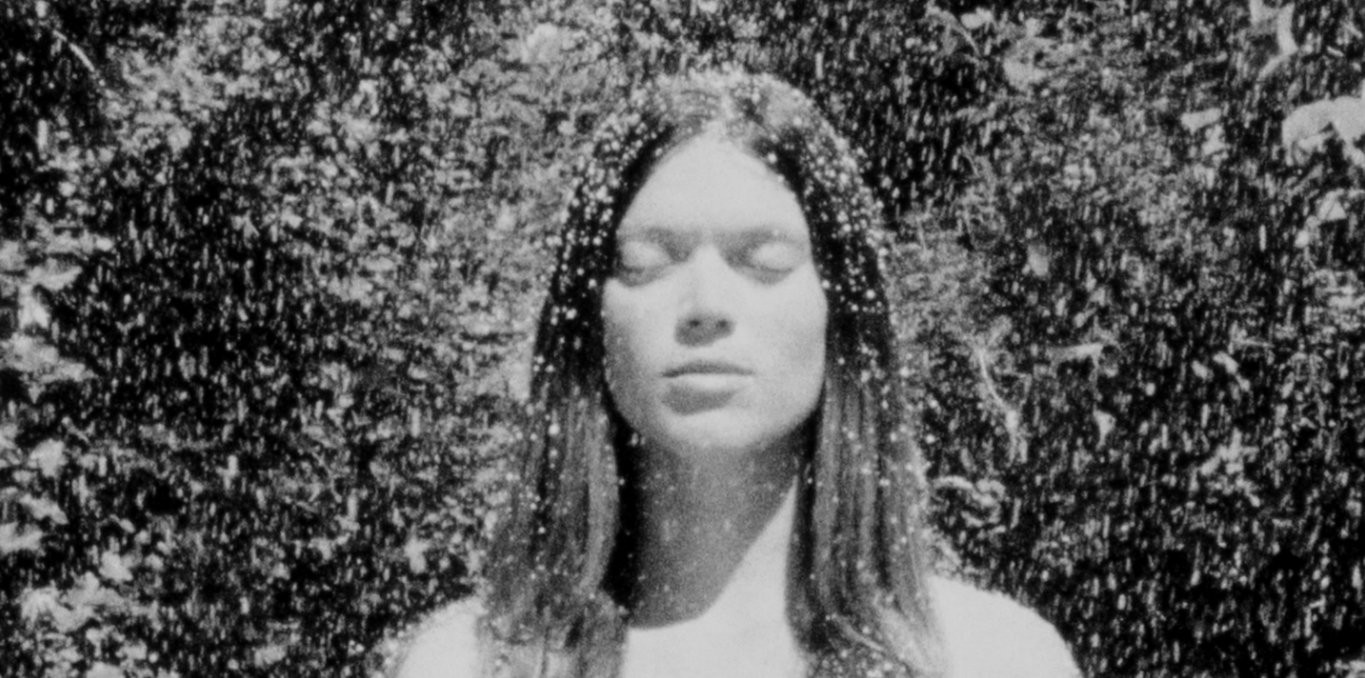
Marie-Christine, who lost her sight some years ago, explores life in a particularly sensory way—through her fingertips. Through her personal experience, she arouses her son’s curiosity and sense of wonder about the beauty of the universe. Drawing from a constellation of highly textured analogue images and a rich tapestry of sound, _Orbits_ journeys into the sensorial depths of Marie-Christine’s memory, pondering the very essence of love and legacy.
| Directors | Sarah Seené, Sarah Seené |
| Share on |
A true ode to imagination and the sensoriality of touch, Orbits immerses us in the intimacy of Marie-Christine: her relationship with her son and her partner, but also her perception of the world and her daily life. The film questions the link we often take for granted between life and sight. It brings us back to the very foundations of perception by shifting the focus toward the richness of the other senses.
I was deeply moved by the profound bond between Marie-Christine and her son, who also suffers from congenital glaucoma. We see a mother who chooses to offer her child a luminous perspective on life. Her determination to affirm that nothing is impossible and to redefine sensory norms reveals, to my eyes, the educational and profoundly human dimension of the film. Orbits thus opens a hopeful path for exploring such subjects in cinema. The film also showcases the highly accomplished work of Sarah Seené, particularly on a technical level: the treatment of the film stock and the care given to cinematography reveal a beauty that is both material and emotional.
Orbits challenges the way we perceive the world through the experience of blindness. Where sight often leads to contemplation, the absence of vision seems to open a broader space for imagination. The film reminds us that what humans see is only one form of perception: our view of life is not limited to what we behold, but is also—and perhaps above all—shaped by the imagination.
Jade Péré
Member of the programming team
REGARD

-
Français
23 mn
Language: Français -
English
23 mn
Language: English
Subtitles: English
- Année 2025
- Pays Quebec
- Durée 23
- Producteur Sarah Seené
- Langue French
- Sous-titres English
- Résumé court Marie-Christine, who lost her sight some years ago, explores life in a particularly sensory way—through her fingertips.
- Mention festival Grand Prix Canadien et Prix de la critique internationale FIPRESCI · REGARD 2025
- Ordre 1
- TLF_Applismb_CA 1
- Date édito CA 2026-03-13
A true ode to imagination and the sensoriality of touch, Orbits immerses us in the intimacy of Marie-Christine: her relationship with her son and her partner, but also her perception of the world and her daily life. The film questions the link we often take for granted between life and sight. It brings us back to the very foundations of perception by shifting the focus toward the richness of the other senses.
I was deeply moved by the profound bond between Marie-Christine and her son, who also suffers from congenital glaucoma. We see a mother who chooses to offer her child a luminous perspective on life. Her determination to affirm that nothing is impossible and to redefine sensory norms reveals, to my eyes, the educational and profoundly human dimension of the film. Orbits thus opens a hopeful path for exploring such subjects in cinema. The film also showcases the highly accomplished work of Sarah Seené, particularly on a technical level: the treatment of the film stock and the care given to cinematography reveal a beauty that is both material and emotional.
Orbits challenges the way we perceive the world through the experience of blindness. Where sight often leads to contemplation, the absence of vision seems to open a broader space for imagination. The film reminds us that what humans see is only one form of perception: our view of life is not limited to what we behold, but is also—and perhaps above all—shaped by the imagination.
Jade Péré
Member of the programming team
REGARD
-
Français
Duration: 23 minutesLanguage: Français23 mn -
English
Duration: 23 minutesLanguage: English
Subtitles: English23 mn
- Année 2025
- Pays Quebec
- Durée 23
- Producteur Sarah Seené
- Langue French
- Sous-titres English
- Résumé court Marie-Christine, who lost her sight some years ago, explores life in a particularly sensory way—through her fingertips.
- Mention festival Grand Prix Canadien et Prix de la critique internationale FIPRESCI · REGARD 2025
- Ordre 1
- TLF_Applismb_CA 1
- Date édito CA 2026-03-13