Landscapes of Resistance
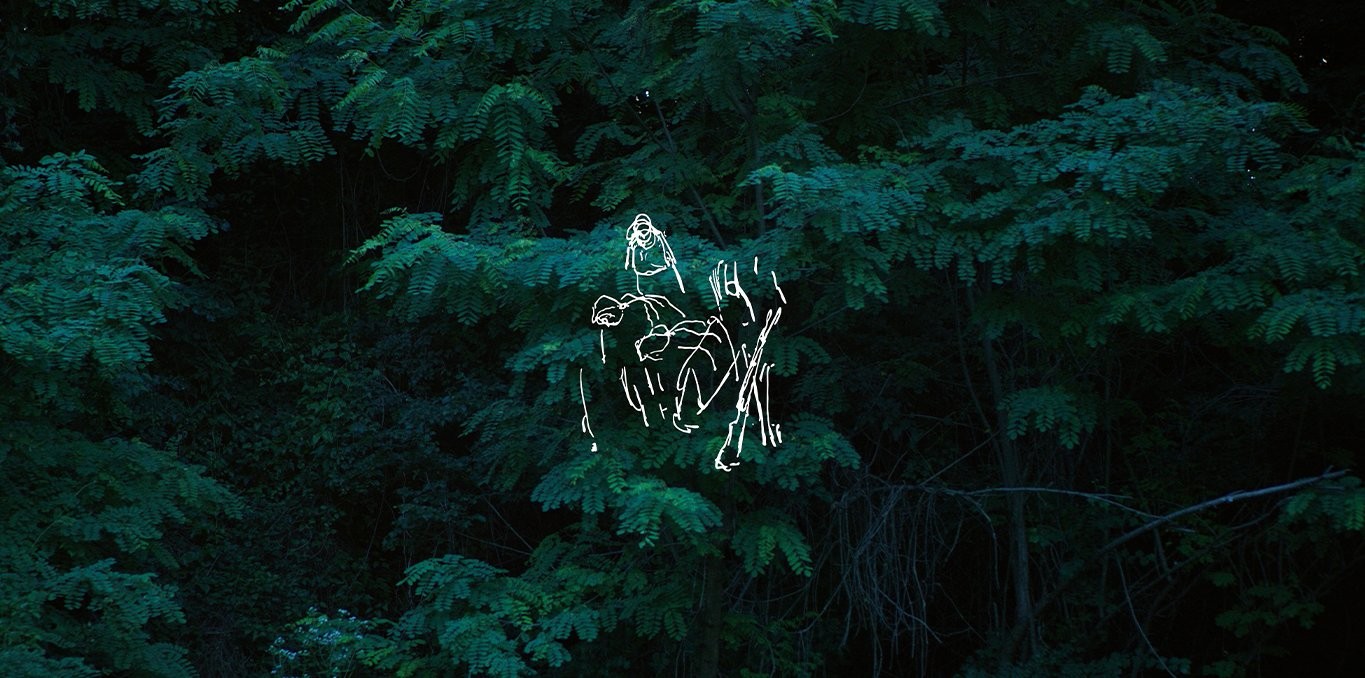
97-year-old antifascist fighter Sonja was one of the first female Yugoslav Partisans and a member of the resistance in Auschwitz. By listening to Sonja’s stories, we travel through the landscapes of her revolutionary past, as her memories start to intertwine with the filmmakers’ own confrontation with the rising fascism in Europe today.
| Director | Marta Popivoda |
| Share on |
For fourteen years, Marta Popivoda and her partner Ana Vujanović filmed Sonja Vujanović in Belgrade, gathering the tumultuous story of a woman at war. Landscapes gently settle over her words, giving them resonance in both past and present. The elder woman’s activism gradually brings to mind another form of resistance—that of the couple, who fled Serbia and its “wild capitalism on the margins of Europe, homophobia, and populism.” Two antifascist women resisting in a new century where the struggle seems more necessary than ever. As the film unfolds, a passing of the torch takes place: Sonja’s words of resistance come to inhabit the places and bodies of the two women. In doing so, they create not only a cinematic memorial, but above all a “partisan film” for the near future, born out of a refusal of silence. For from the blood shed in the last century, poppies still remain in the wheat fields, bearing witness to it still.
Aurélien Marsais
Programmer and producer

-
Français
1h35
Language: Français
Subtitles: Français -
English
1h35
Language: English
Subtitles: English
- Année 2021
- Pays France, Germany, Serbia
- Durée 95
- Producteur Theory at Work, Bocalupo Films
- Langue Serbo-Croatian
- Sous-titres French, English
- Résumé court The memories of Sonja, aged 97, a former anti-fascist fighter and member of the resistance in Yugoslavia and at the Auschwitz-Birkenau camp.
- Ordre 1
- Date édito CA 2026-05-08
For fourteen years, Marta Popivoda and her partner Ana Vujanović filmed Sonja Vujanović in Belgrade, gathering the tumultuous story of a woman at war. Landscapes gently settle over her words, giving them resonance in both past and present. The elder woman’s activism gradually brings to mind another form of resistance—that of the couple, who fled Serbia and its “wild capitalism on the margins of Europe, homophobia, and populism.” Two antifascist women resisting in a new century where the struggle seems more necessary than ever. As the film unfolds, a passing of the torch takes place: Sonja’s words of resistance come to inhabit the places and bodies of the two women. In doing so, they create not only a cinematic memorial, but above all a “partisan film” for the near future, born out of a refusal of silence. For from the blood shed in the last century, poppies still remain in the wheat fields, bearing witness to it still.
Aurélien Marsais
Programmer and producer
-
Français
Duration: 1h35Language: Français
Subtitles: Français1h35 -
English
Duration: 1h35Language: English
Subtitles: English1h35
- Année 2021
- Pays France, Germany, Serbia
- Durée 95
- Producteur Theory at Work, Bocalupo Films
- Langue Serbo-Croatian
- Sous-titres French, English
- Résumé court The memories of Sonja, aged 97, a former anti-fascist fighter and member of the resistance in Yugoslavia and at the Auschwitz-Birkenau camp.
- Ordre 1
- Date édito CA 2026-05-08