Marta Popivoda

Marta Popivoda is a filmmaker, artist, and researcher born in 1982 in Serbia, now based in Berlin. Her work explores the tensions between memory and history, collective and individual bodies, as well as ideology and everyday life, with a focus on the antifascist and feminist potentialities of the Yugoslav socialist project. She values collective practice in art-making and research, and for several years has been part of the TkH (Walking Theory) collective. Popivoda’s first feature documentary, Yugoslavia, How Ideology Moved Our Collective Body, premiered at the 63rd Berlinale. Her work has been presented worldwide in both cinematic and visual arts contexts. Her recent feature documentary Landscapes of Resistance premiered in the Tiger Competition at IFFR 2021. She has received numerous awards for her films and artworks, including the prestigious Berlin Art Prize for Visual Arts at the Akademie der Künste Berlin. She teaches film at the University of the Arts in Amsterdam and is a member of the European Film Academy.
Related to this realisator
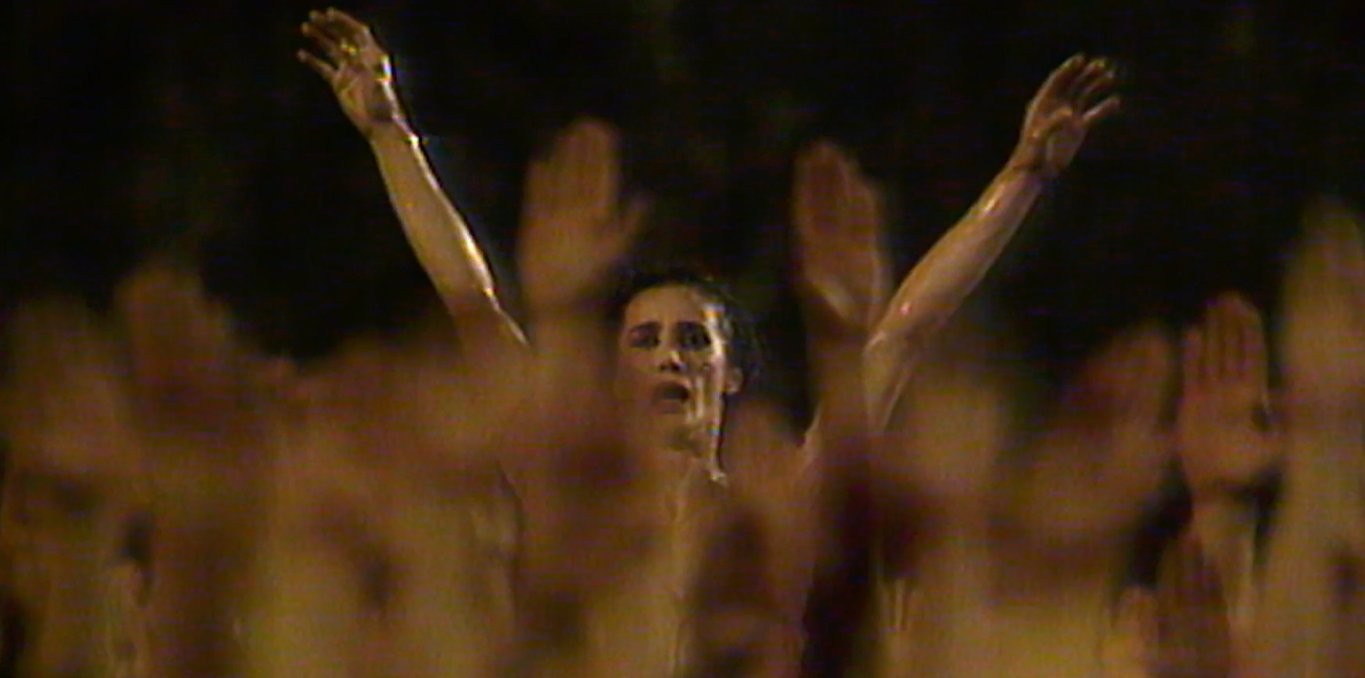
Slet 1988
Subscription access
In _Slet 1988_, dancer Sonja Vukićević, aged 74, moves through socialist-modernist spaces; her body is an archive of the last mass performance in Yugoslavia. Her gestures echo past rhythms and present realities, intertwining with a 1988 teenage girl’s diary to reveal the shift from socialist collectivism to rising individualism, while a new national collective body is creeping in and will soon ...
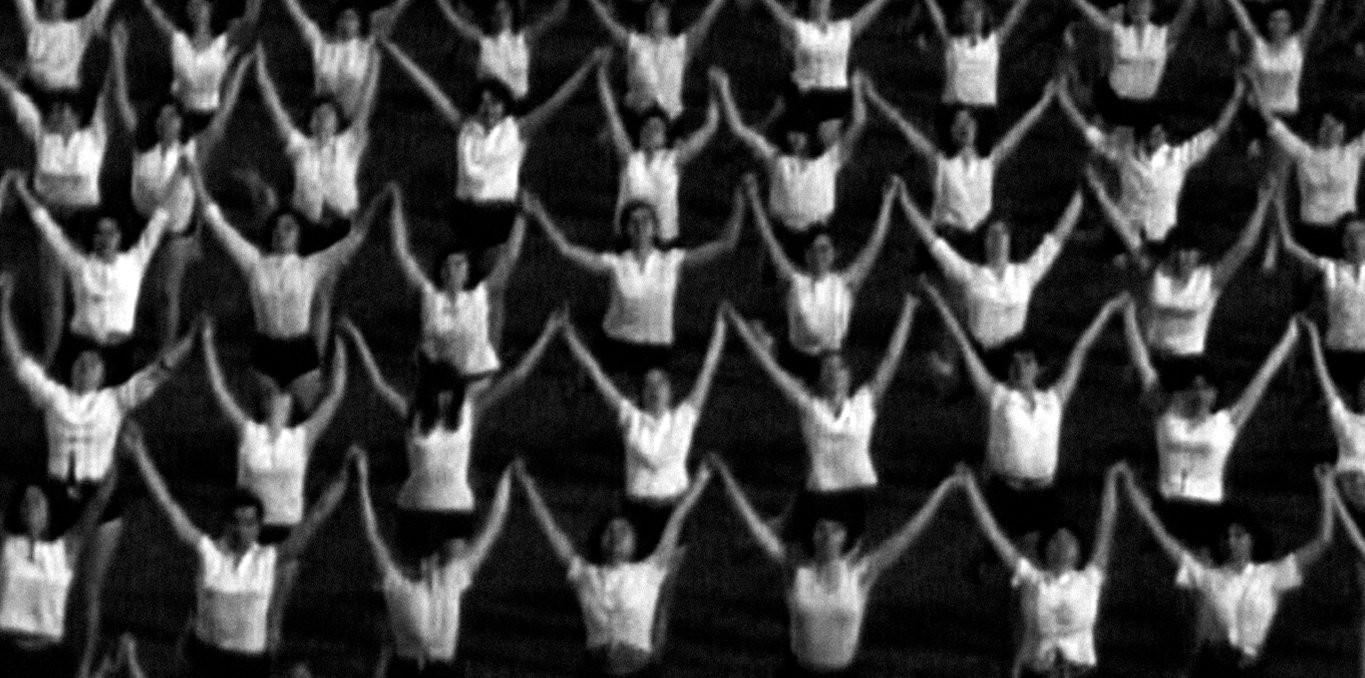
Yugoslavia: How Ideology Moved Our Collective Body
Yugoslavia: How Ideology Moved Our Collective Body
Duration: 2h04Subscription access
The film deals with the question of how ideology performs itself in public space through mass performances. The author collected and analyzed film and video footage from the period of Yugoslavia (1945 – 2000), focusing on state performances (youth work actions, May Day parades, celebrations of the Youth Day, etc.) as well as counter-demonstrations (’68, student and civic demonstrations in the ‘90...
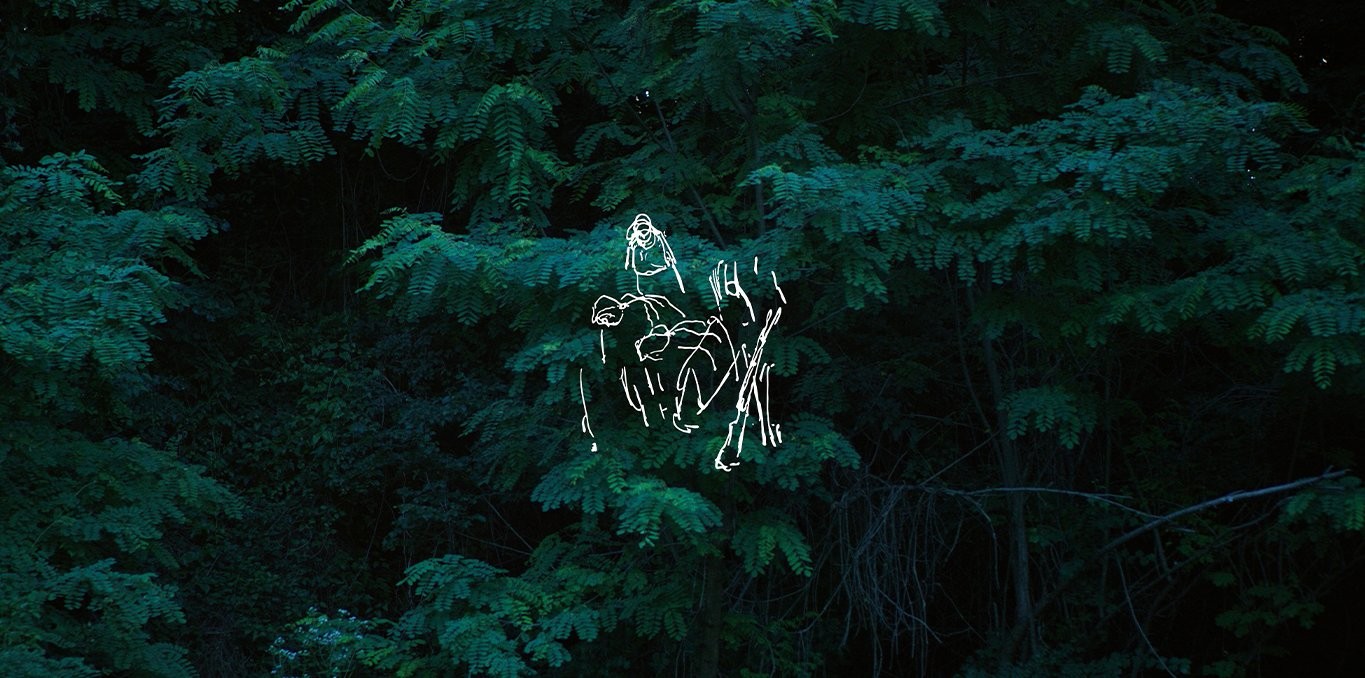
Landscapes of Resistance
Subscription access
97-year-old antifascist fighter Sonja was one of the first female Yugoslav Partisans and a member of the resistance in Auschwitz. By listening to Sonja’s stories, we travel through the landscapes of her revolutionary past, as her memories start to intertwine with the filmmakers’ own confrontation with the rising fascism in Europe today.
Slet 1988
Subscription access
In _Slet 1988_, dancer Sonja Vukićević, aged 74, moves through socialist-modernist spaces; her body is an archive of the last mass performance in Yugoslavia. Her gestures echo past rhythms and present realities, intertwining with a 1988 teenage girl’s diary to reveal the shift from socialist collectivism to rising individualism, while a new national collective body is creeping in and will soon ...
Yugoslavia: How Ideology Moved Our Collective Body
Yugoslavia: How Ideology Moved Our Collective Body
Duration: 2h04Subscription access
The film deals with the question of how ideology performs itself in public space through mass performances. The author collected and analyzed film and video footage from the period of Yugoslavia (1945 – 2000), focusing on state performances (youth work actions, May Day parades, celebrations of the Youth Day, etc.) as well as counter-demonstrations (’68, student and civic demonstrations in the ‘90...
Landscapes of Resistance
Subscription access
97-year-old antifascist fighter Sonja was one of the first female Yugoslav Partisans and a member of the resistance in Auschwitz. By listening to Sonja’s stories, we travel through the landscapes of her revolutionary past, as her memories start to intertwine with the filmmakers’ own confrontation with the rising fascism in Europe today.