Un printemps de square
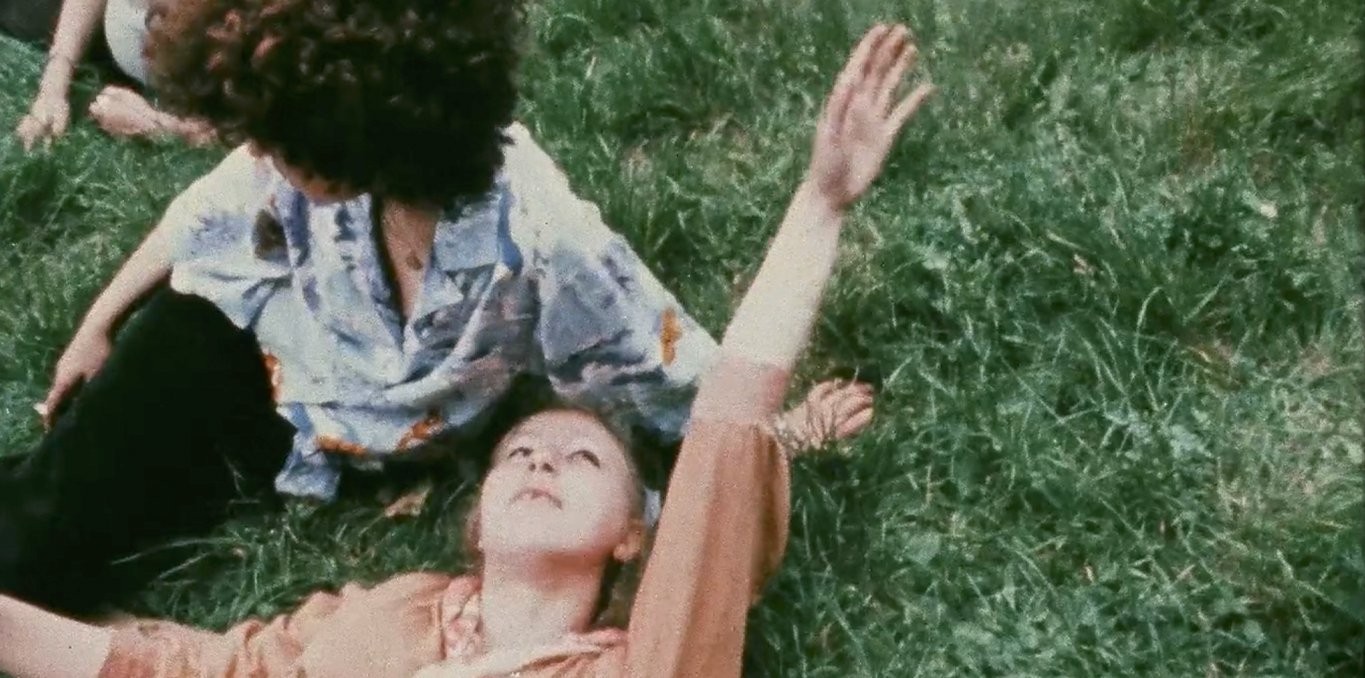
In a working-class neighborhood of Paris, high school students and other young people living in the nearby social housing gather in a small public square over the course of a spring. A documentary shot between 1977 and 1978 and re-edited by the director in 2022.
| Director | Denis Gheerbrant |
| Actor | Naomie Décarie-Daigneault |
| Share on |
Denis Gheerbrant came to cinema through photography. His growing interest in people and their faces led him to want to listen to them and record what they said. In 1978, he made his first film, Printemps de square, with young people from a working-class neighbourhood in Paris’s 15th arrondissement. In it, he developed what would become his signature approach: a solitary practice, a gift for human encounters, and a form of direct cinema told in the first person.
Printemps de square captures the post-1968 disillusionment, the violence of the streets, and social class realities. It is Françoise Hardy singing Le temps de l’amour, soon drowned out by Renaud’s Société, tu m’auras pas. It is about growing up in a world that lets us down; the last burst of life before entering the slaughterhouse. In the square—this refuge outside work time—another way of living still exists. A way of being together without expectation, simply for the pleasure of each other’s company, with the luxury of wasting time without assigning it a price.
With a sense of bewilderment, we witness the rise of consumer society, and with pain we see work becoming an all-powerful force that organizes everything. These magnificent young people—whose poignant beauty Gheerbrant deeply understands—are followed as they celebrate the last rays of sunlight before a night that will be far too long.
Naomie Décarie-Daigneault
Tënk Artistic Director

-
Français
1h03
Language: Français
- Année 1981
- Pays France
- Durée 63
- Producteur Denis Gheerbrant
- Langue French
- Résumé court In a working-class neighbourhood of Paris, young people gather in a small public square over the course of a spring.
- Ordre 4
- TLF_Applismb_CA 1
- Date édito CA 2026-06-05
Denis Gheerbrant came to cinema through photography. His growing interest in people and their faces led him to want to listen to them and record what they said. In 1978, he made his first film, Printemps de square, with young people from a working-class neighbourhood in Paris’s 15th arrondissement. In it, he developed what would become his signature approach: a solitary practice, a gift for human encounters, and a form of direct cinema told in the first person.
Printemps de square captures the post-1968 disillusionment, the violence of the streets, and social class realities. It is Françoise Hardy singing Le temps de l’amour, soon drowned out by Renaud’s Société, tu m’auras pas. It is about growing up in a world that lets us down; the last burst of life before entering the slaughterhouse. In the square—this refuge outside work time—another way of living still exists. A way of being together without expectation, simply for the pleasure of each other’s company, with the luxury of wasting time without assigning it a price.
With a sense of bewilderment, we witness the rise of consumer society, and with pain we see work becoming an all-powerful force that organizes everything. These magnificent young people—whose poignant beauty Gheerbrant deeply understands—are followed as they celebrate the last rays of sunlight before a night that will be far too long.
Naomie Décarie-Daigneault
Tënk Artistic Director
-
Français
Duration: 1h03Language: Français1h03
- Année 1981
- Pays France
- Durée 63
- Producteur Denis Gheerbrant
- Langue French
- Résumé court In a working-class neighbourhood of Paris, young people gather in a small public square over the course of a spring.
- Ordre 4
- TLF_Applismb_CA 1
- Date édito CA 2026-06-05