L’espace d’un été
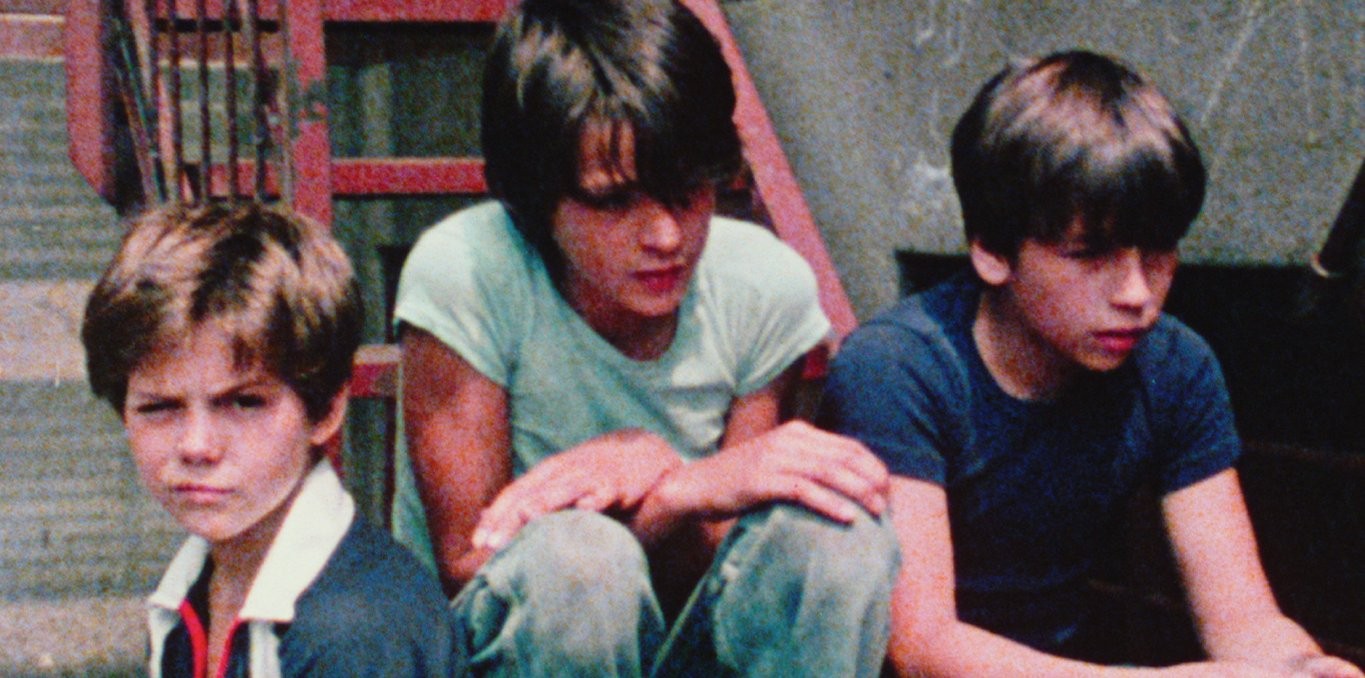
Over the course of a summer, filmmaker André Melançon captures the everyday lives of three boys on the cusp of adolescence: Jacques, Normand and Stéphane. In a backyard in their working-class Montreal neighbourhood, they build a playhouse that becomes their gathering place—a world of dreams, plans, and adventures, but also disagreements, quarrels, and reconciliations. Through their games, gestures and silences, Melançon delicately captures the ebb and flow of their friendship.
| Director | André Melançon |
| Share on |
June 1980, the end of the school year. Somewhere near the Jacques-Cartier Bridge, in a part of Montreal unknown to some and forgotten by others. The atmosphere of a neighbourhood preparing to spend the summer amid the heat of asphalt streets, back alleys, and backyard courtyards. Jacques, Normand, and Stéphane, three boys on the cusp of adolescence, roam their territory with confidence and freedom.
My father André Melançon places his camera within their world, setting out to document their everyday lives without ever suggesting or intervening. He observes, he listens, allowing these young boys to discover life on their own terms: building a playhouse, taking forbidden swims, running to the corner convenience store, and enduring the sometimes painfully slow passage of time. He captures the children’s creative impulses as they unfold, while also making room for moments of boredom and discomfort. The result is an almost sociological study in which a microcosm of human relationships gradually emerges. The documentary raises questions without imposing answers: What kinds of relationships do these children develop? Are there power dynamics between them? This is a chronicle of a moment in time—a summer unfolding before our eyes, with all its exploration, friendships, conflicts, and attempts at reconciliation, for which the boys sometimes struggle to find the right words.
Forty-five years later, this documentary still moves us. Yet the world of L’espace d’un été feels a long way off. So do the backyard playhouses. And we cannot help but wonder what became of Jacques, Normand, and Stéphane.
Andréane Melançon
Public Health Science Advisor

-

Français
Language: Français
- Année 1980
- Pays Quebec
- Durée 87
- Producteur Productions SDA
- Langue French
- Résumé court A cinematic chronicle capturing the everyday lives of three preteens from a working-class Montreal neighbourhood over the course of a summer.
- TLF_Applismb_CA 1
- Date édito CA 2026-11-20
June 1980, the end of the school year. Somewhere near the Jacques-Cartier Bridge, in a part of Montreal unknown to some and forgotten by others. The atmosphere of a neighbourhood preparing to spend the summer amid the heat of asphalt streets, back alleys, and backyard courtyards. Jacques, Normand, and Stéphane, three boys on the cusp of adolescence, roam their territory with confidence and freedom.
My father André Melançon places his camera within their world, setting out to document their everyday lives without ever suggesting or intervening. He observes, he listens, allowing these young boys to discover life on their own terms: building a playhouse, taking forbidden swims, running to the corner convenience store, and enduring the sometimes painfully slow passage of time. He captures the children’s creative impulses as they unfold, while also making room for moments of boredom and discomfort. The result is an almost sociological study in which a microcosm of human relationships gradually emerges. The documentary raises questions without imposing answers: What kinds of relationships do these children develop? Are there power dynamics between them? This is a chronicle of a moment in time—a summer unfolding before our eyes, with all its exploration, friendships, conflicts, and attempts at reconciliation, for which the boys sometimes struggle to find the right words.
Forty-five years later, this documentary still moves us. Yet the world of L’espace d’un été feels a long way off. So do the backyard playhouses. And we cannot help but wonder what became of Jacques, Normand, and Stéphane.
Andréane Melançon
Public Health Science Advisor
-
Français
Language: Français
- Année 1980
- Pays Quebec
- Durée 87
- Producteur Productions SDA
- Langue French
- Résumé court A cinematic chronicle capturing the everyday lives of three preteens from a working-class Montreal neighbourhood over the course of a summer.
- TLF_Applismb_CA 1
- Date édito CA 2026-11-20