The films of André Melançon

André Melançon (1942–2016) was a Quebec filmmaker who grew up in Rouyn, in the Abitibi-Témiscamingue region. He initially worked as a psychoeducator before joining the Conseil québécois pour la diffusion du cinéma. In 1970, he began working on his first film, a documentary about FLQ member Charles Gagnon. In 1973, he directed three short films centred on children: « Les Oreilles » mène l’enquête, Les tacots and Le violon de Gaston. Childhood would also be at the heart of his first two feature films: the comedy Comme les six doigts de la main (1978) and the documentary Les vrais perdants (1978). In the early 1980s, producer Rock Demers launched the Contes pour tous film series, with Melançon directing its very first instalment, La guerre des tuques (1984), which would go on to become a cult classic. He subsequently directed three other films in the series: Bach et bottine (1986), Fierro... L’été des secrets (1989) and Daniel et les Superdogs (2004). In addition to his work as a filmmaker, Melançon appeared as an actor in some twenty films, notably under the direction of Denys Arcand (Réjeanne Padovani, Joyeux Calvaire). His final film, Les trains de la vie, was released in 2013. That same year, he was appointed an Officer of the Ordre national du Québec. Through his sensitive portrayal of childhood and his ability to tell stories that resonate across generations, André Melançon left a lasting mark on Quebec's collective imagination and helped shape the landscape of children's cinema in Quebec.
4 products
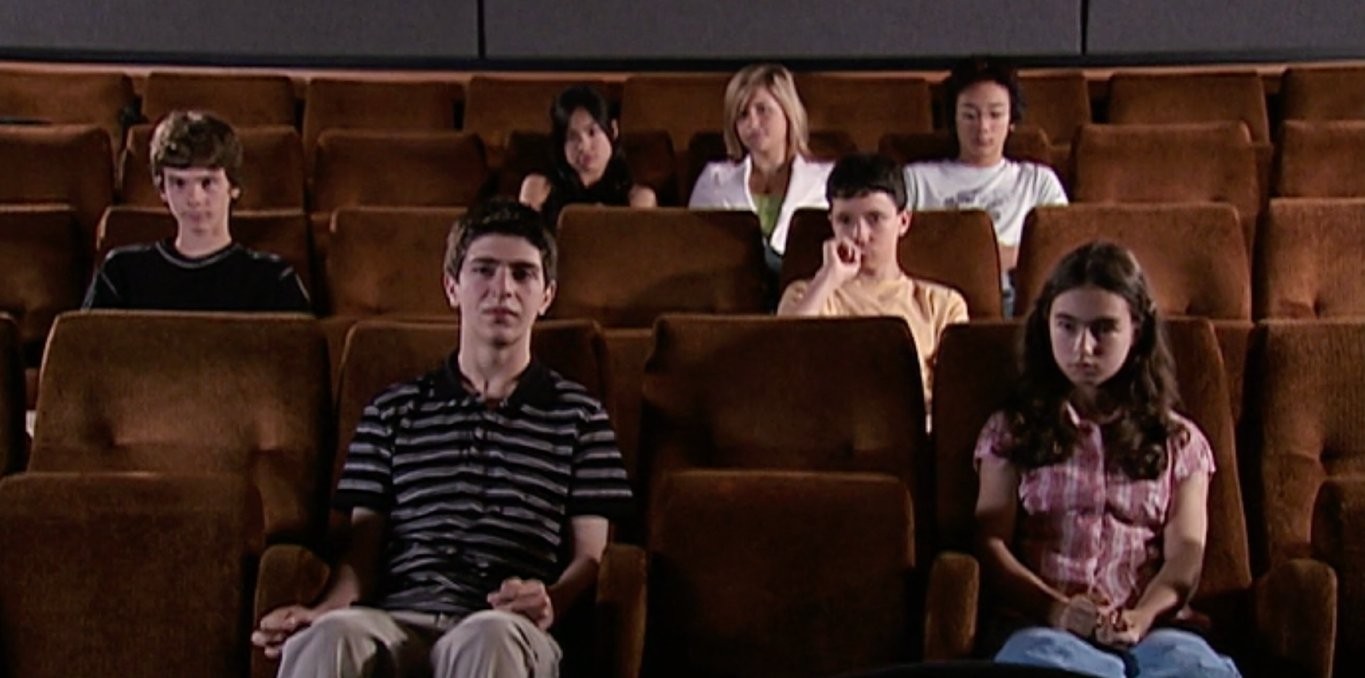
L'âge de passion
A direct follow-up to André Melançon’s groundbreaking 1970s documentary _Les vrais perdants_, which explored children’s education in our competitive society, this feature-length documentary reunites with the same characters 30 years later. What has become of the children filmed in 1978? Centered on the idea of passion, this social documentary highlights their life journeys, personal achievement...
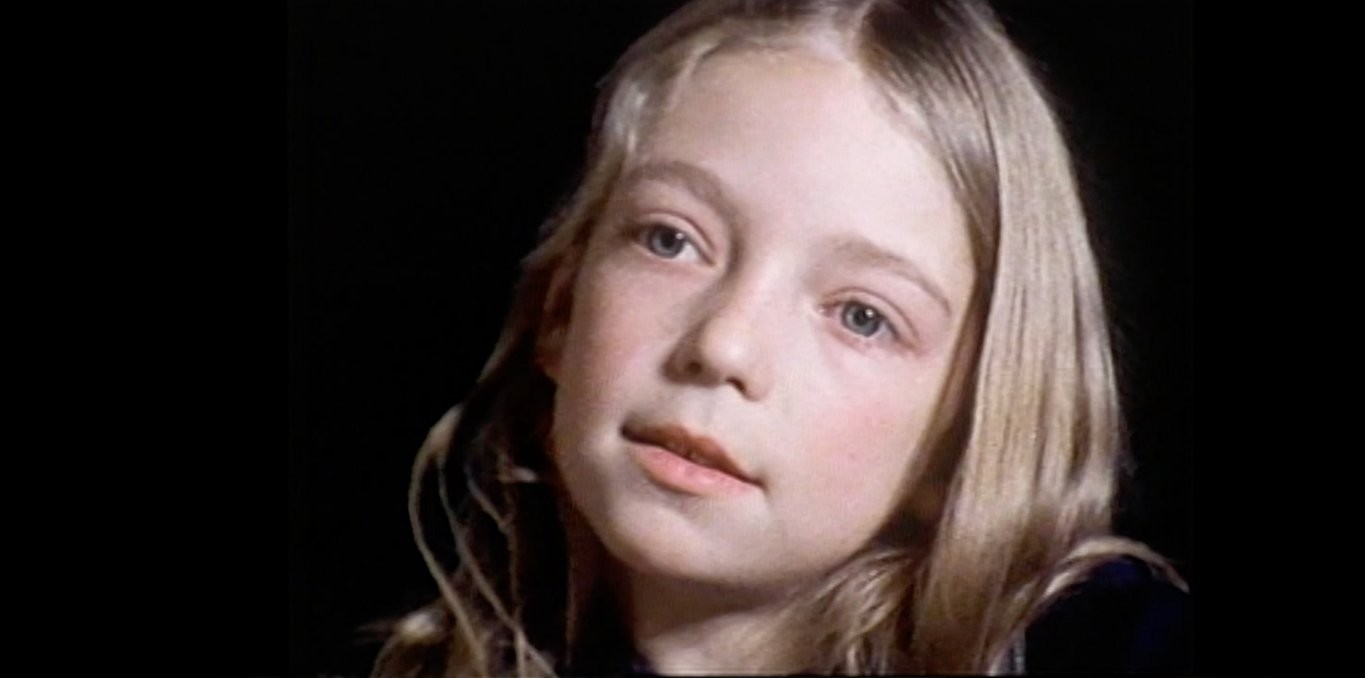
La parole aux enfants
Created in 1979 to mark the International Year of the Child, this series of short segments gives a voice to children aged 5 to 13. Filmmaker André Melançon asks them about a wide range of topics, including anger, joy, work, police, smoking and extraterrestrials…
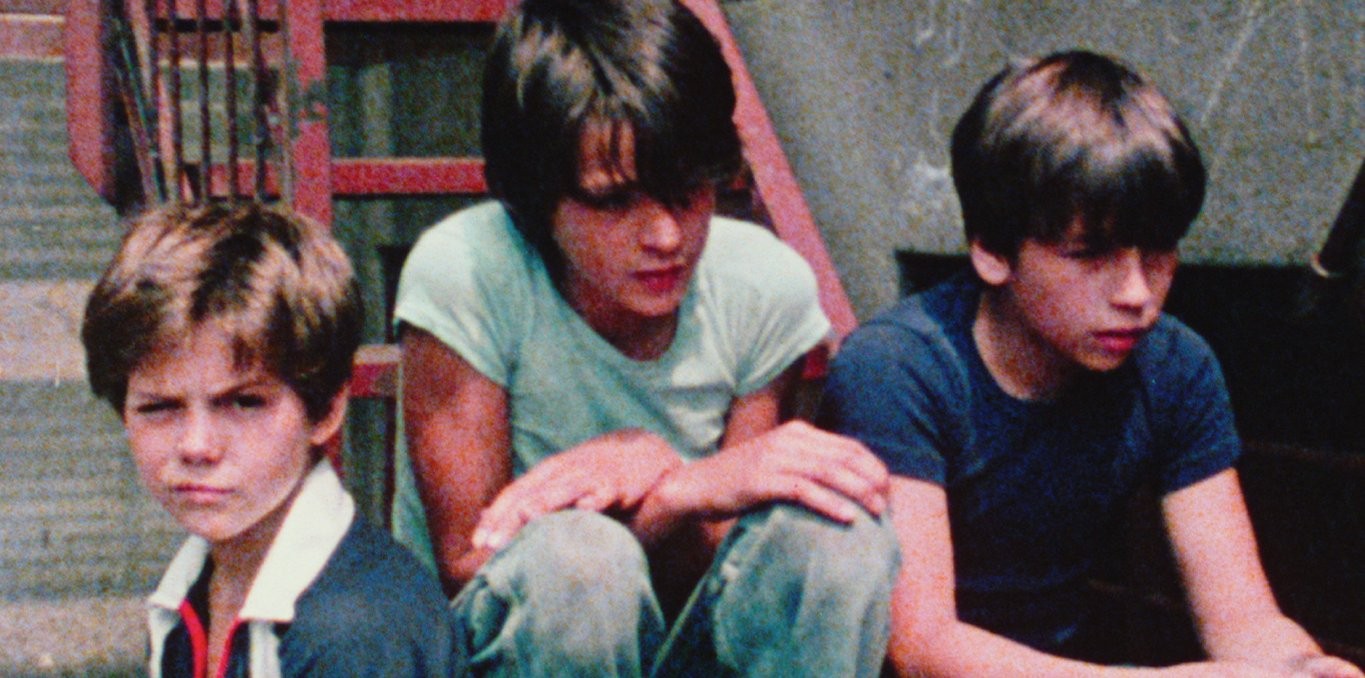
L’espace d’un été
Over the course of a summer, filmmaker André Melançon captures the everyday lives of three boys on the cusp of adolescence: Jacques, Normand and Stéphane. In a backyard in their working-class Montreal neighbourhood, they build a playhouse that becomes their gathering place—a world of dreams, plans, and adventures, but also disagreements, quarrels, and reconciliations. Through their games, gestu...

Les vrais perdants
This feature documentary poses the problem of child-rearing in our competitive society. While helping children develop their talents, encouraging them in their passions, whether it be field hockey, gymnastics or piano, parents and coaches seek, more or less consciously, to make them live their own need for competition and their own dreams by proxy. The children confide to the camera on this sub...
L'âge de passion
A direct follow-up to André Melançon’s groundbreaking 1970s documentary _Les vrais perdants_, which explored children’s education in our competitive society, this feature-length documentary reunites with the same characters 30 years later. What has become of the children filmed in 1978? Centered on the idea of passion, this social documentary highlights their life journeys, personal achievement...
La parole aux enfants
Created in 1979 to mark the International Year of the Child, this series of short segments gives a voice to children aged 5 to 13. Filmmaker André Melançon asks them about a wide range of topics, including anger, joy, work, police, smoking and extraterrestrials…
L’espace d’un été
Over the course of a summer, filmmaker André Melançon captures the everyday lives of three boys on the cusp of adolescence: Jacques, Normand and Stéphane. In a backyard in their working-class Montreal neighbourhood, they build a playhouse that becomes their gathering place—a world of dreams, plans, and adventures, but also disagreements, quarrels, and reconciliations. Through their games, gestu...
Les vrais perdants
This feature documentary poses the problem of child-rearing in our competitive society. While helping children develop their talents, encouraging them in their passions, whether it be field hockey, gymnastics or piano, parents and coaches seek, more or less consciously, to make them live their own need for competition and their own dreams by proxy. The children confide to the camera on this sub...