L'âge de passion
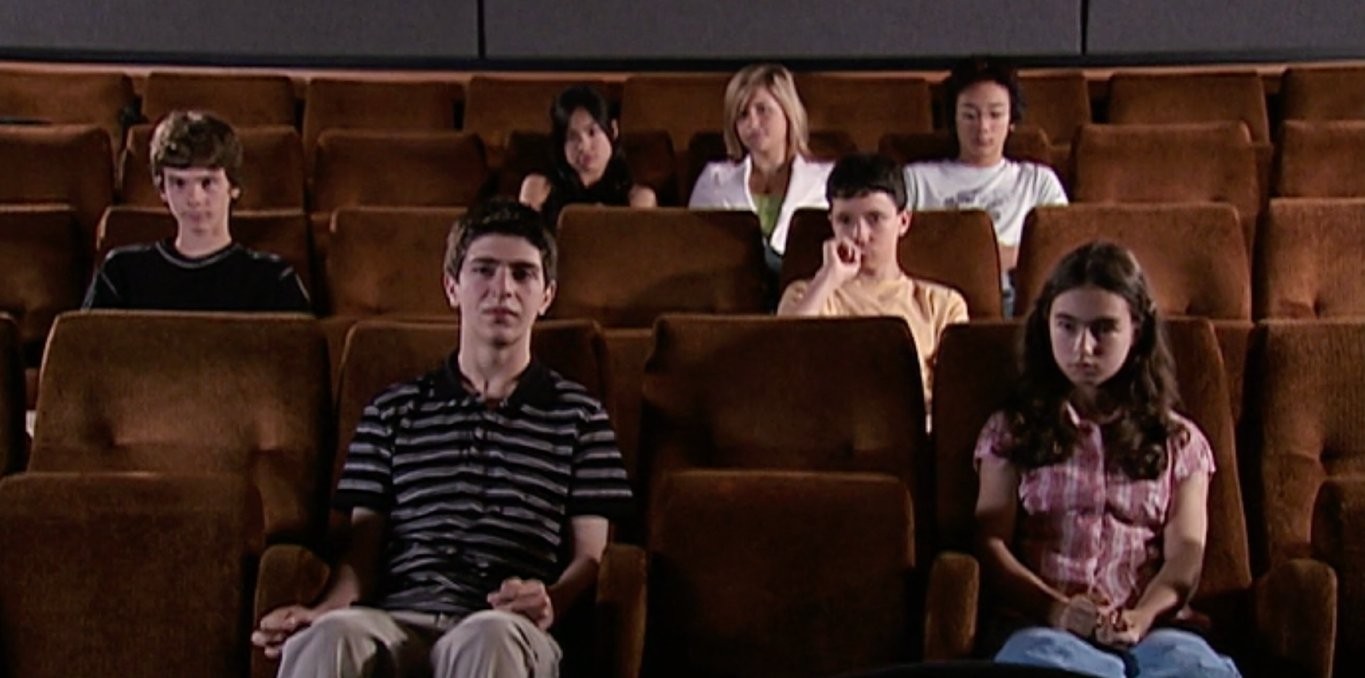
A direct follow-up to André Melançon’s groundbreaking 1970s documentary _Les vrais perdants_, which explored children’s education in our competitive society, this feature-length documentary reunites with the same characters 30 years later. What has become of the children filmed in 1978? Centered on the idea of passion, this social documentary highlights their life journeys, personal achievements, and the evolution of Quebec society and values.
| Directors | André Melançon, Dany Croussette |
| Share on |
Thirty years after Les vrais perdants (1978), André Melançon retraces the making of this documentary in L’âge de passion, revisiting a film that exposed the damaging effects of competition on children. He reconnects with some of the young people he had filmed, now adults, to hear what they remember of the experience and how the film may have affected them. Their candid comments reveal the lack of ethical consideration and benevolence shown towards the people he filmed. This reflection to his own work, which could have taken the form of a mea culpa, instead becomes an opportunity to reopen the dialogue and give voice once again to words that had remained unspoken.
L’âge de passion then turns its attention to a new generation of young athletes and musicians pursuing high-level training. The focus shifts from parents to coaches and teachers. We discover mentoring relationships, sometimes marked by a deep sense of connection, in which adults become genuine guides and mentors. The young people’s passion is undeniable, but it unfolds in an increasingly demanding performance-driven environment, where individual dreams intersect with collective, even national, ambitions.
If Les vrais perdants was, in Melançon’s words, a cry directed at adults, L’âge de passion refrains from denouncing and instead chooses to observe. Yet the questions remain: How far can a child be pushed in the name of passion? How can we preserve the joy of participation? By bringing these two films together, Melançon does more than revisit his past as a filmmaker: he invites us, as viewers, to examine how society’s relationship with childhood, education, and achievement has evolved. This return to images of the past, and the renewed perspective it makes possible, constitutes a powerful ethical gesture, reminding us that documentary filmmaking carries a responsibility not only towards the people being filmed, but also towards the way we collectively look at them.
Sylvano Santini
Professor of Literature at UQAM

-

Français
Language: Français -
English
Language: English
- Année 2007
- Pays Quebec
- Durée 78
- Producteur Sherpas Films, ONF / NFB
- Langue French
- Sous-titres English
- Résumé court Thirty years after making a landmark film about childhood and education, André Melançon reconnects with the young people who shared their experiences to see where life has taken them.
- TLF_Applismb_CA 1
- Date édito CA 2026-11-20
Thirty years after Les vrais perdants (1978), André Melançon retraces the making of this documentary in L’âge de passion, revisiting a film that exposed the damaging effects of competition on children. He reconnects with some of the young people he had filmed, now adults, to hear what they remember of the experience and how the film may have affected them. Their candid comments reveal the lack of ethical consideration and benevolence shown towards the people he filmed. This reflection to his own work, which could have taken the form of a mea culpa, instead becomes an opportunity to reopen the dialogue and give voice once again to words that had remained unspoken.
L’âge de passion then turns its attention to a new generation of young athletes and musicians pursuing high-level training. The focus shifts from parents to coaches and teachers. We discover mentoring relationships, sometimes marked by a deep sense of connection, in which adults become genuine guides and mentors. The young people’s passion is undeniable, but it unfolds in an increasingly demanding performance-driven environment, where individual dreams intersect with collective, even national, ambitions.
If Les vrais perdants was, in Melançon’s words, a cry directed at adults, L’âge de passion refrains from denouncing and instead chooses to observe. Yet the questions remain: How far can a child be pushed in the name of passion? How can we preserve the joy of participation? By bringing these two films together, Melançon does more than revisit his past as a filmmaker: he invites us, as viewers, to examine how society’s relationship with childhood, education, and achievement has evolved. This return to images of the past, and the renewed perspective it makes possible, constitutes a powerful ethical gesture, reminding us that documentary filmmaking carries a responsibility not only towards the people being filmed, but also towards the way we collectively look at them.
Sylvano Santini
Professor of Literature at UQAM
-
Français
Language: Français -
English
Language: English
- Année 2007
- Pays Quebec
- Durée 78
- Producteur Sherpas Films, ONF / NFB
- Langue French
- Sous-titres English
- Résumé court Thirty years after making a landmark film about childhood and education, André Melançon reconnects with the young people who shared their experiences to see where life has taken them.
- TLF_Applismb_CA 1
- Date édito CA 2026-11-20