Making Sense of Sport

It’s hard to ignore sports in our globalized world, both because of their ubiquity and because of the metaphorical representation of dominant values they embody. The recent World Cup is a perfect example of the “sportification” of the world, with soccer at the center of its symbolic universe. Forty-eight teams (64 in 2030, according to a proposal currently under consideration) compete for the coveted trophy in stadiums scattered across North America, with little regard for the climate crisis, as matches are punctuated by hydration breaks (a requirement of television marketing), the tournament is marked by unabashed political interventions, overshadowed by racist protests and allegations of match-fixing. It’s hard not to see this as the embodiment of the political and economic domination of a triumphalist oligarchy that purports to embody some essence of sport—that imperial legacy of Victorian England—which exploits and hijacks popular emotional fervor.
However, by taking a reflective and historical step back, this pause allows us to see that it is not some generic politico-economic essence of sports that has been revealed in this World Cup. Rather, it is a specific, historically constructed configuration—and therefore by no means immutable—that obscures a sports world far richer and more diverse than what FIFA presents to us. By diversifying perspectives through these five films, multiple trajectories emerge—aesthetic, intellectual, and critical—revealing the complexity of the social, political, and cultural dynamics that underpin the phenomenon of sports. Various actors with divergent worldviews and interests struggle to control and define sports, and to ascribe a single, unambiguous meaning to it. Cinema, with its entire audiovisual grammar, contributes to this semiotic struggle.
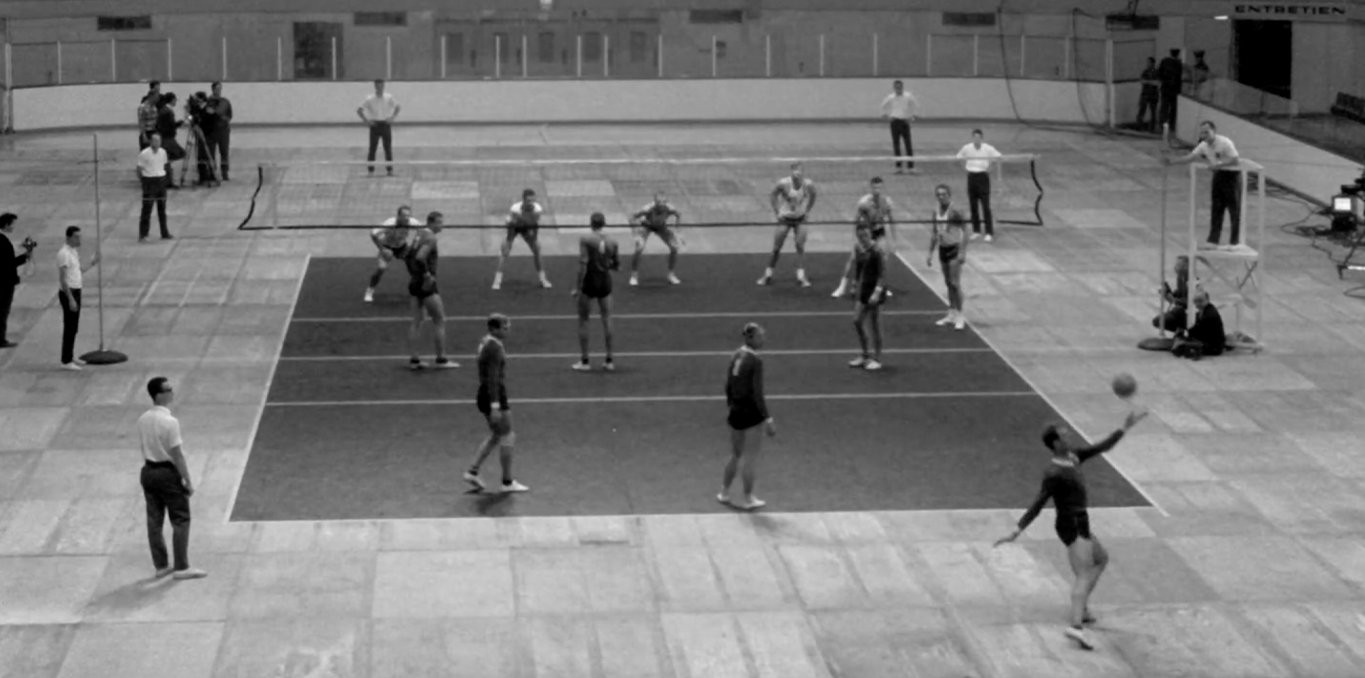
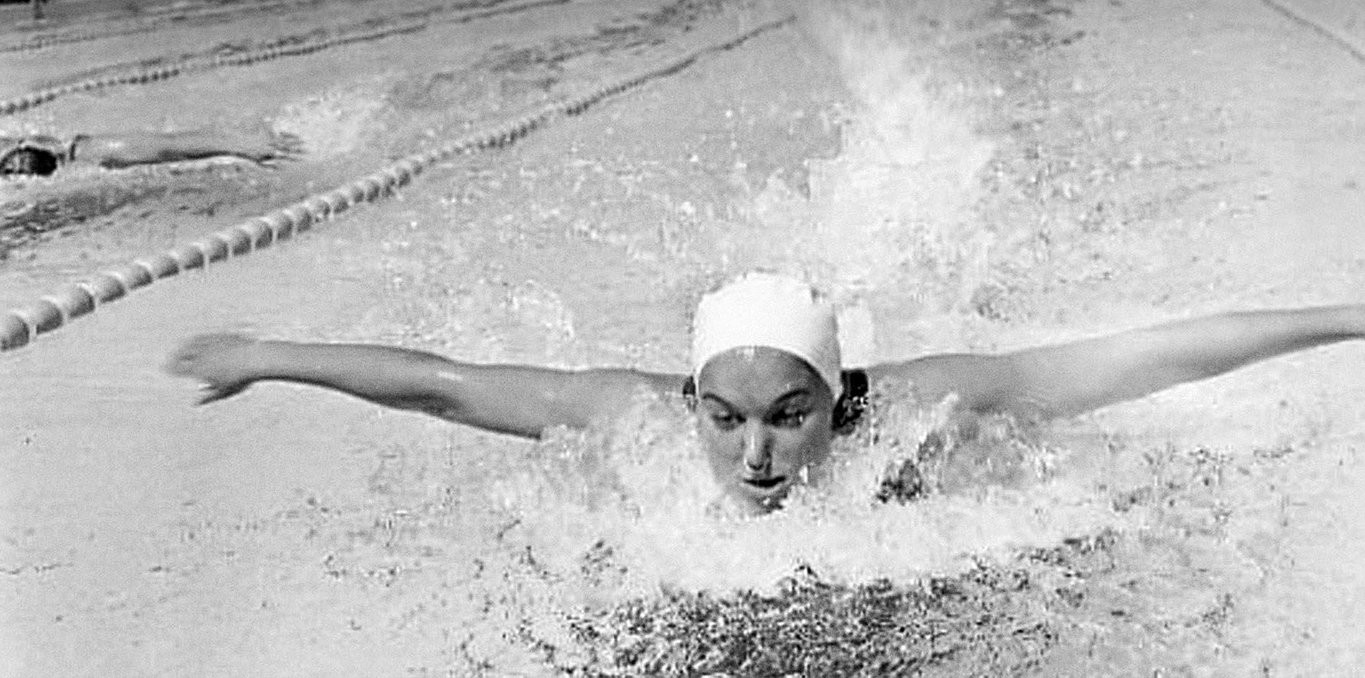
Public diplomacy institutions such as the National Film Board of Canada contributed to this by turning the spotlight on sporting events. This approach proved particularly fruitful in the years leading up to the Montreal Olympic Games, not only because it foreshadowed their arrival, but also because the filmmakers involved expressed themselves using the tools of direct cinema. While Jean-Claude Labrecque’s official film is rightly recognized for positioning the camera at the athletes’ eye level, several films had already been commissioned as early as the 1960s to capture this sporting energy. Here we present two little-known films—on which Labrecque also collaborated—by two filmmakers who were then just starting out (!); Natation by Gilles Carle and Volleyball by Denys Arcand.
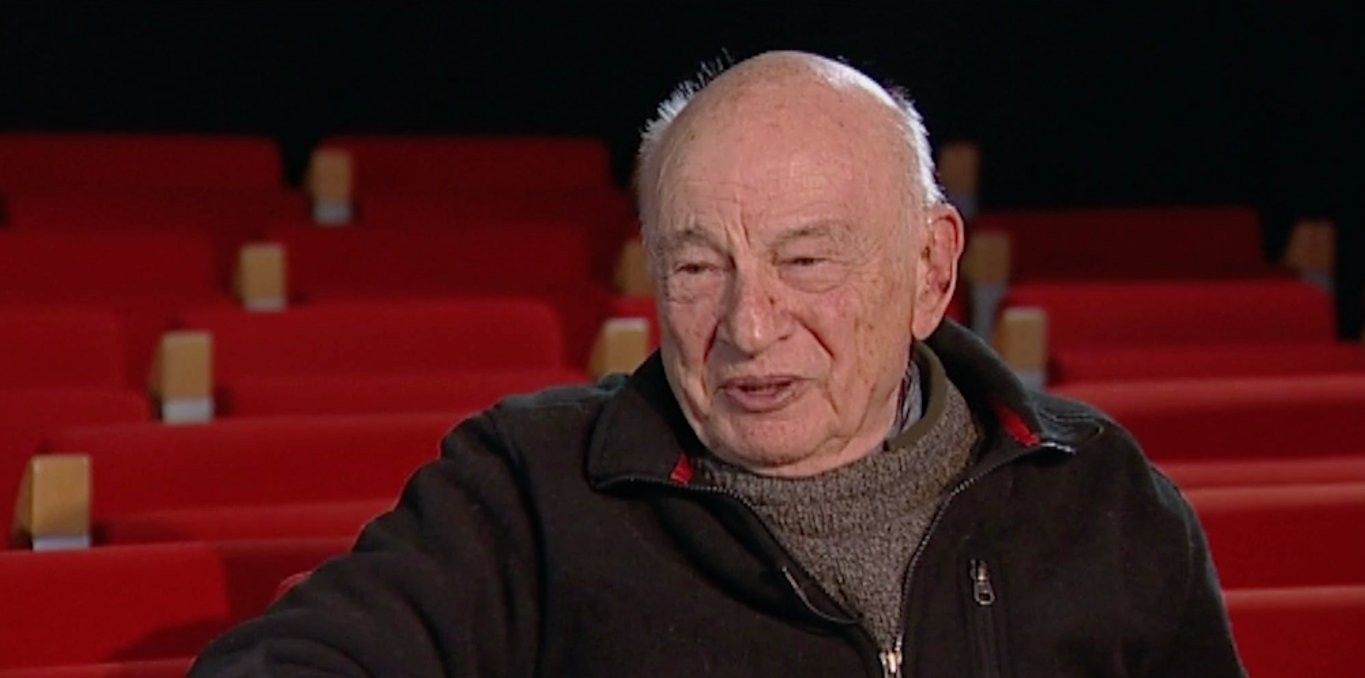
In a rich, filmed discussion with Benjamin Pichery, a director at the National Institute of Sport, Expertise, and Performance (INSEP), French philosopher and sociologist Edgar Morin explores the meanings of sport using the tools of his theory of complex thought in Regards sur le sport: Edgar Morin. Drawing on his memories of both participating in and watching sports, the great thinker—who recently passed away—invites us to reflect on sports from both the inside and the outside, helping us move beyond sometimes simplistic critiques, without, however, ignoring its excesses.
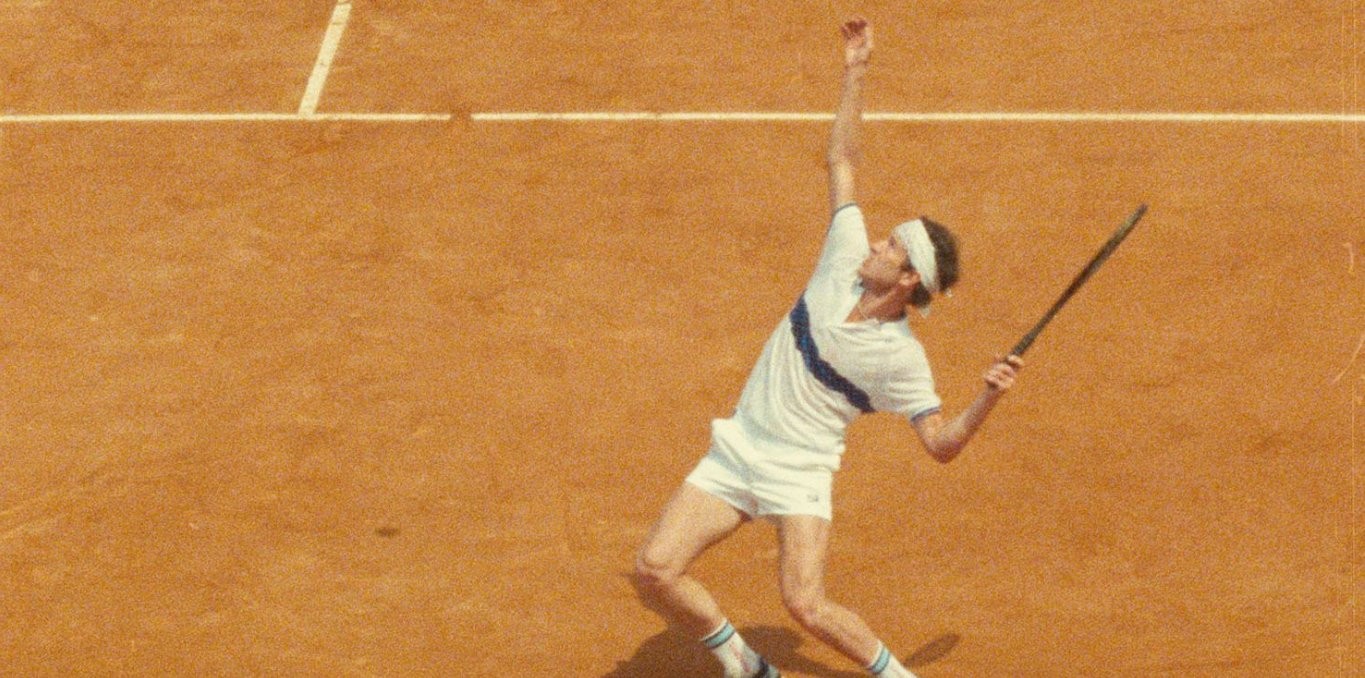
Adopting an innovative perspective, Julien Faraut’s L’Empire de la perfection is a cinematic essay on sports, drawing on archival footage, raw footage from sports events, rock music, and a wide range of references—from cinema to psychology. The film takes as its starting point the work of Gil de Kermadec, a former tennis player who, after producing instructional films for the French Tennis Federation in the 1960s, delivers a previously unseen film that delves into the genius of the tempestuous American John McEnroe, continuing the exploration of the intangible aspects of athletic genius.
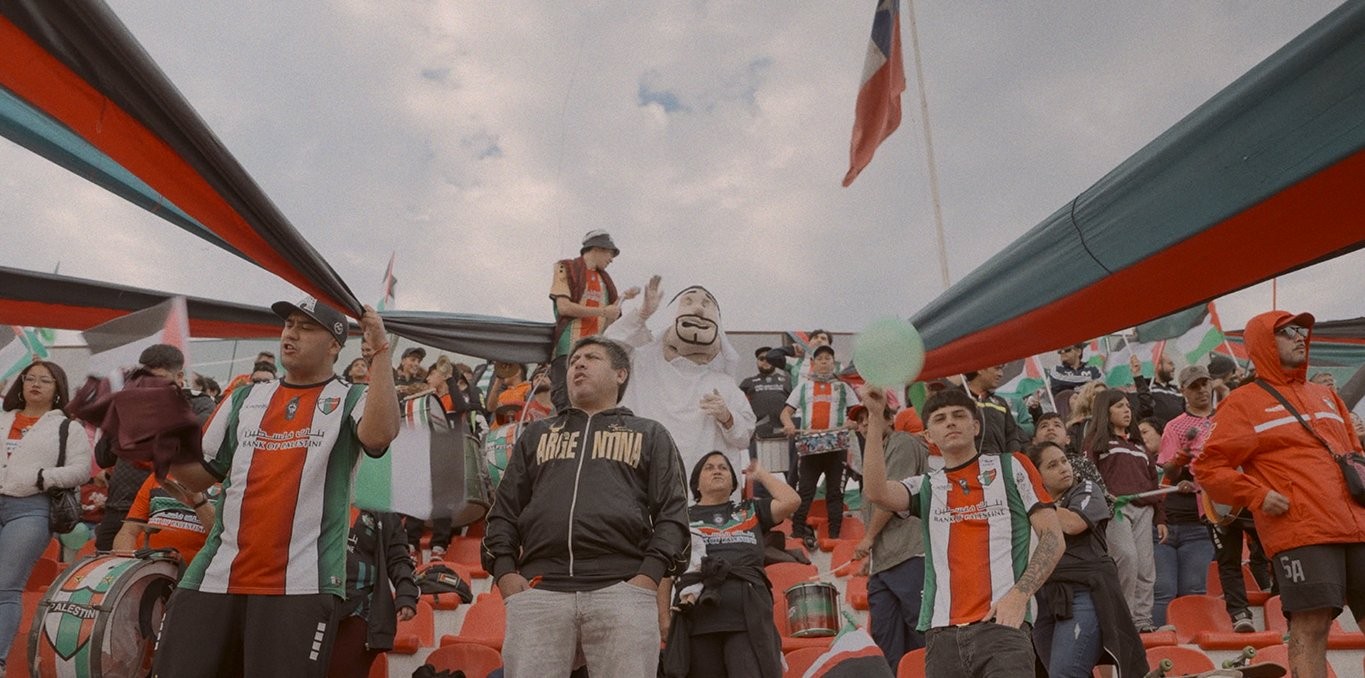
Finally, the film Baisanos by filmmakers Andrés and Francisca Khamis Giacoman—a brother and sister from the Palestinian diaspora—explores the significance of the curious entity known as Club Deportivo Palestino, a Chilean first-division soccer team founded in 1920 by Palestinian exiles. Here, sports reveal the full weight of identity and politics they can embody, as the narratives surrounding them can be harnessed for the purposes of resistance and mobilization.
Mathieu Boivin-Chouinard
Teacher and historian
5 products
Baisanos
Subscription access
Through an intimate portrayal of the activities of the Club Deportivo Palestino fan group, _Baisanos_ builds a dialogue between two narrators representing Chile and Palestine. Together, they reflect on identity, the meaning of returning to Palestine, and the different ways of going back. In this way, the connection between two distant territories emerges within a space of celebration, where dre...
Volleyball
Subscription access
A playful film about volleyball, shot in October 1965 during a match in Montreal between the U.S. and Soviet Olympic teams.
Regards sur le sport : Edgar Morin
Regards sur le sport : Edgar Morin
Duration: 55 minutesSubscription access
Sport is like a point in a hologram that contains within itself the whole of society. Yet it also possesses its own singularity, which lies in the nature of play. Edgar Morin, a sports enthusiast and particularly passionate about football, offers in this filmed interview his sociological perspective on the complexity of sport. By approaching it as a “total social phenomenon,” a concept central ...
John McEnroe: In the Realm of Perfection
John McEnroe: In the Realm of Perfection
Duration: 1h35Subscription access
An immersive film essay on tennis legend John McEnroe at the height of his career as the world champion, documenting his strive for perfection, frustrations, and the hardest loss of his career at the 1984 Roland-Garros French Open.
Baisanos
Subscription access
Through an intimate portrayal of the activities of the Club Deportivo Palestino fan group, _Baisanos_ builds a dialogue between two narrators representing Chile and Palestine. Together, they reflect on identity, the meaning of returning to Palestine, and the different ways of going back. In this way, the connection between two distant territories emerges within a space of celebration, where dre...
Volleyball
Subscription access
A playful film about volleyball, shot in October 1965 during a match in Montreal between the U.S. and Soviet Olympic teams.
Regards sur le sport : Edgar Morin
Regards sur le sport : Edgar Morin
Duration: 55 minutesSubscription access
Sport is like a point in a hologram that contains within itself the whole of society. Yet it also possesses its own singularity, which lies in the nature of play. Edgar Morin, a sports enthusiast and particularly passionate about football, offers in this filmed interview his sociological perspective on the complexity of sport. By approaching it as a “total social phenomenon,” a concept central ...
John McEnroe: In the Realm of Perfection
John McEnroe: In the Realm of Perfection
Duration: 1h35Subscription access
An immersive film essay on tennis legend John McEnroe at the height of his career as the world champion, documenting his strive for perfection, frustrations, and the hardest loss of his career at the 1984 Roland-Garros French Open.